
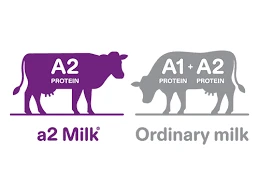
Consumer behavior in the global A2 Milk Market is rapidly evolving, shaped by growing awareness of digestive health, rising interest in clean-label nutrition, and shifting attitudes toward traditional dairy products. As consumers become more health-conscious and discerning, A2 milk has positioned itself as a premium, easily digestible alternative to conventional milk, driving increased demand across age groups and geographies.
Rise of the Health-Conscious Consumer
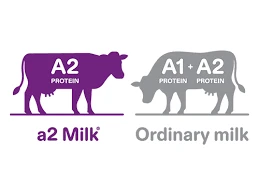
One of the most influential drivers of A2 milk consumption is the modern consumer’s emphasis on wellness and prevention. Increasingly, consumers are investigating the ingredients in their food and questioning the source and impact of their dietary choices. A2 milk, which contains only the A2 beta-casein protein (as opposed to regular milk which has both A1 and A2 proteins), is believed by many to be gentler on the stomach. This aligns well with rising concerns about food sensitivities and lactose intolerance, even among those not medically diagnosed.
Consumers who report digestive discomfort with regular milk are turning to A2 milk as a perceived solution without having to give up dairy altogether. For this segment, personal experience with bloating, discomfort, or other symptoms plays a major role in the purchase decision. As a result, health-conscious consumers across urban markets are actively seeking A2-based dairy products, including milk, infant formula, yogurt, and protein-enriched beverages.
Premiumization and Willingness to Pay More
A2 milk is marketed as a premium product, and consumer behavior reflects a growing willingness to pay higher prices for health-centric goods. A2 milk buyers are often more affluent, urban, and brand-sensitive. They are also more likely to pay attention to claims such as “natural,” “non-GMO,” “hormone-free,” and “ethically sourced.” The perception that A2 milk is more “natural” or “closer to ancient breeds of cows” further adds to its appeal.
This segment of consumers is not just buying milk—they’re buying a wellness experience, and as such, they are willing to pay a premium for peace of mind, quality, and perceived health benefits.
Parent and Family-Oriented Buyers
Another key consumer group for A2 milk is parents, particularly those of young children. A2 milk is often recommended by pediatricians in certain markets as a gentler option for children who have trouble digesting regular milk. Infant formulas and toddler milk blends based on A2 protein are gaining popularity. Mothers, especially in Asia-Pacific and Western markets, are increasingly looking for high-quality alternatives that support digestion and nutrition during early childhood.
This trend is also supported by strong emotional branding in the A2 milk sector, where companies position their products as nurturing, family-safe, and natural—tapping into the parental desire to provide the best for their children.
Influences of Education and Label Transparency
Consumer knowledge is playing a larger role in A2 milk purchase decisions. Education campaigns by brands and health advocates have been crucial in helping consumers understand the difference between A1 and A2 proteins. Clear labeling, infographics, and digital content are shaping how consumers perceive A2 milk versus conventional options.
Consumers who understand the science or the genetic basis of A2 milk are more likely to become repeat buyers and recommend the product within their social circles. QR codes on packaging, detailed ingredient transparency, and clear origin labeling are now important tools used by brands to engage with an informed consumer base.
Role of Digital and Social Media Influence
Digital platforms and social media are becoming key influencers in shaping consumer behavior. Health influencers, nutritionists, fitness coaches, and even celebrities are endorsing A2 milk products, driving curiosity and trials among their followers. As a result, social validation and online reviews are beginning to heavily influence first-time purchases.
Brands that engage in influencer partnerships or run educational campaigns on platforms like Instagram, YouTube, and wellness blogs are better positioned to connect with younger, digitally native consumers.
Regional and Cultural Variations
Consumer behavior in the A2 Milk Market varies significantly across regions. In Asia-Pacific, particularly in India, China, and Australia, A2 milk has cultural relevance, as indigenous cow breeds are naturally A2-producing. Consumers here often have higher trust in A2 milk due to familiarity and traditional dairy preferences. In North America and Europe, consumers are more driven by scientific curiosity, digestive health concerns, and product positioning in wellness aisles.
In emerging markets, affordability and access play a bigger role. Consumers in these areas tend to try A2 milk in smaller pack sizes or as part of promotional offers. Over time, if value is perceived, this can lead to brand loyalty and family-wide adoption.
Conclusion
The consumer landscape for A2 milk is marked by a shift toward intentional, health-driven decision-making. Buyers are informed, selective, and increasingly interested in products that align with their wellness values. Whether motivated by digestive comfort, family health, or clean-label preferences, consumers in the A2 Milk Market are shaping the growth trajectory of this premium dairy category. Brands that effectively communicate benefits, maintain transparency, and deliver consistent product quality are best positioned to build lasting consumer trust and market loyalty.