
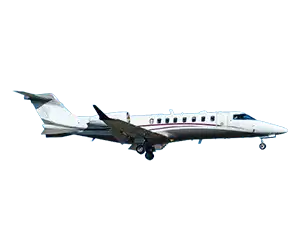
In the civil aviation industry, precision, reliability, and safety are non-negotiable. Every component used in an aircraft must meet strict quality and regulatory standards to ensure smooth performance and passenger safety. Among the many critical components used in aviation assemblies, rails and rod ends play a key role. Choosing reliable Rail Parts Suppliers is therefore essential for airlines, MROs, and aerospace manufacturers seeking long-term operational efficiency.
Importance of Rail Systems in Civil Aviation
Rail systems are widely used in aircraft interiors and structural assemblies. From seat tracks and cargo rails to equipment mounting systems, rails provide stability, adjustability, and load-bearing strength. High-grade materials such as aluminum alloys, stainless steel, and titanium are commonly used to ensure strength while maintaining lightweight characteristics.
Reputable Rail Parts Suppliers understand the demanding environment of aviation. They ensure that each rail component complies with industry standards such as AS, NAS, and MS specifications. This compliance helps aircraft operators reduce maintenance risks and maintain airworthiness throughout the aircraft’s lifecycle.
Role of Rod End Hardware Parts in Aircraft Applications
Alongside rail systems, Rod End Hardware Parts are critical mechanical components used in control systems, linkages, and structural connections. These parts allow for angular misalignment while transmitting motion and force efficiently. In civil aviation, rod ends are commonly found in flight control assemblies, landing gear mechanisms, and actuation systems.
High-quality rod end hardware parts are manufactured with tight tolerances and corrosion-resistant materials to withstand vibration, temperature changes, and continuous stress. When sourced from dependable suppliers, these components enhance performance and reduce the likelihood of premature failure.
Why Choosing the Right Rail Parts Suppliers Matters
Not all suppliers are equal in the aviation market. Trusted Rail Parts Suppliers offer more than just inventory—they provide assurance of quality, traceability, and compliance. For civil aviation operators, this means access to certified parts with proper documentation, including test reports and certificates of conformity.
Additionally, experienced suppliers maintain a wide range of stock, ensuring faster turnaround times and reduced aircraft downtime. This is particularly important for MRO facilities that operate under strict schedules and cost controls.
Quality Standards and Certifications
In aviation, quality is defined by adherence to recognized standards. Leading Rail Parts Suppliers follow AS9100 quality management systems and source components that meet FAA and EASA requirements. The same attention must be given to rod end hardware parts, as even minor defects can affect aircraft performance.
By working with suppliers who emphasize quality checks, material verification, and batch traceability, aviation professionals can ensure that every installed part meets operational and regulatory expectations.
Supporting the Global Civil Aviation Supply ChainA reliable supplier plays a vital role in supporting the global aviation supply chain. From small private aircraft to large commercial fleets, the demand for consistent, high-quality components never stops. Rail Parts Suppliers who also stock rod end hardware parts offer a one-stop solution, simplifying procurement and inventory management.
This integrated approach helps operators save time, control costs, and maintain consistent quality across all aircraft systems.
ConclusionIn the highly regulated world of civil aviation, selecting the right components is just as important as choosing the right partners. Dependable Rail Parts Suppliers provide certified, durable rail systems and Rod End Hardware Parts designed to meet aviation’s demanding standards. For businesses operating in the aerospace sector, working with trusted suppliers like Find Aircraft Hardware ensures safety, reliability, and long-term operational success.
By focusing on quality, compliance, and supply consistency, your aviation operations can remain efficient, safe, and future-ready.