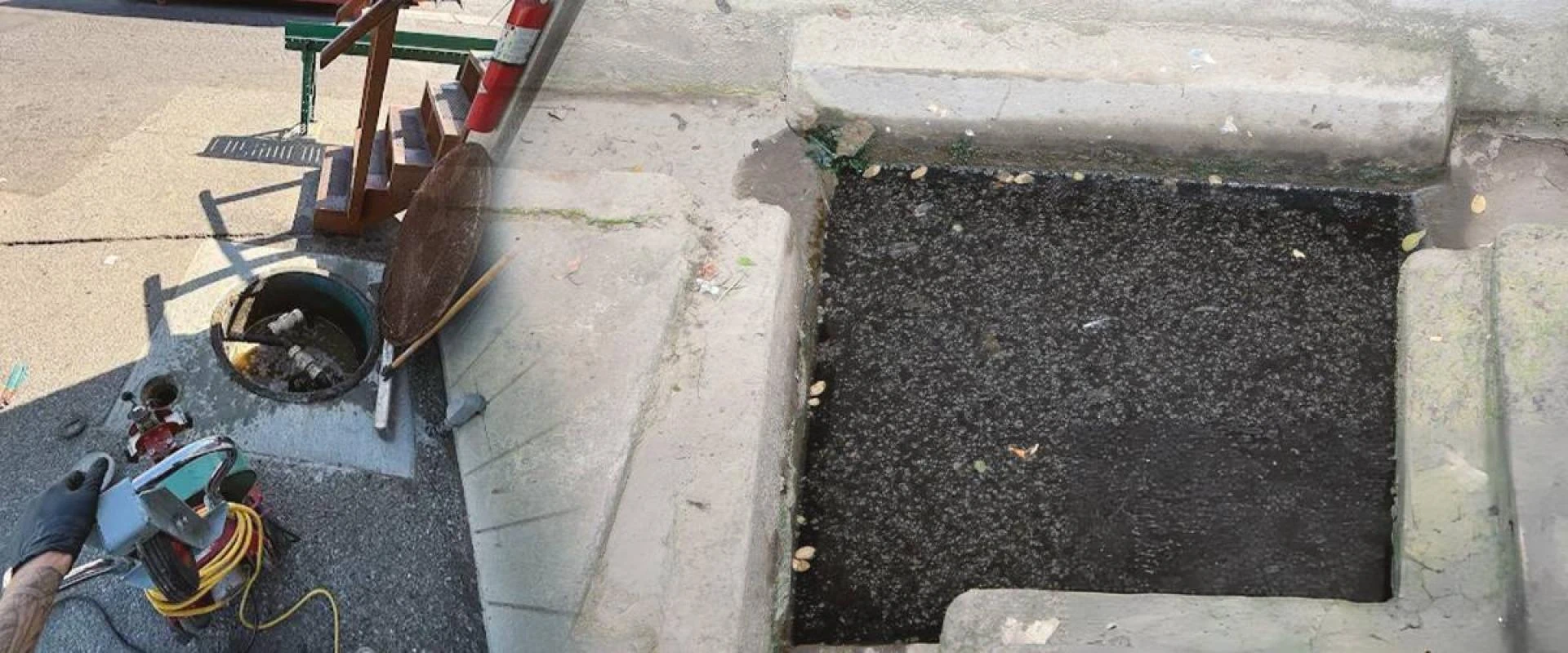
A main drain blockage is one of the most serious plumbing issues homeowners face. When the main sewer line gets clogged, it can disrupt your entire drainage system and lead to messy, costly damage. In this guide, we explain what a main drain is, why blockages occur, the signs of a clogged main drain, common causes, and when you should call a professional plumber for help.
What Is a Main Drain?
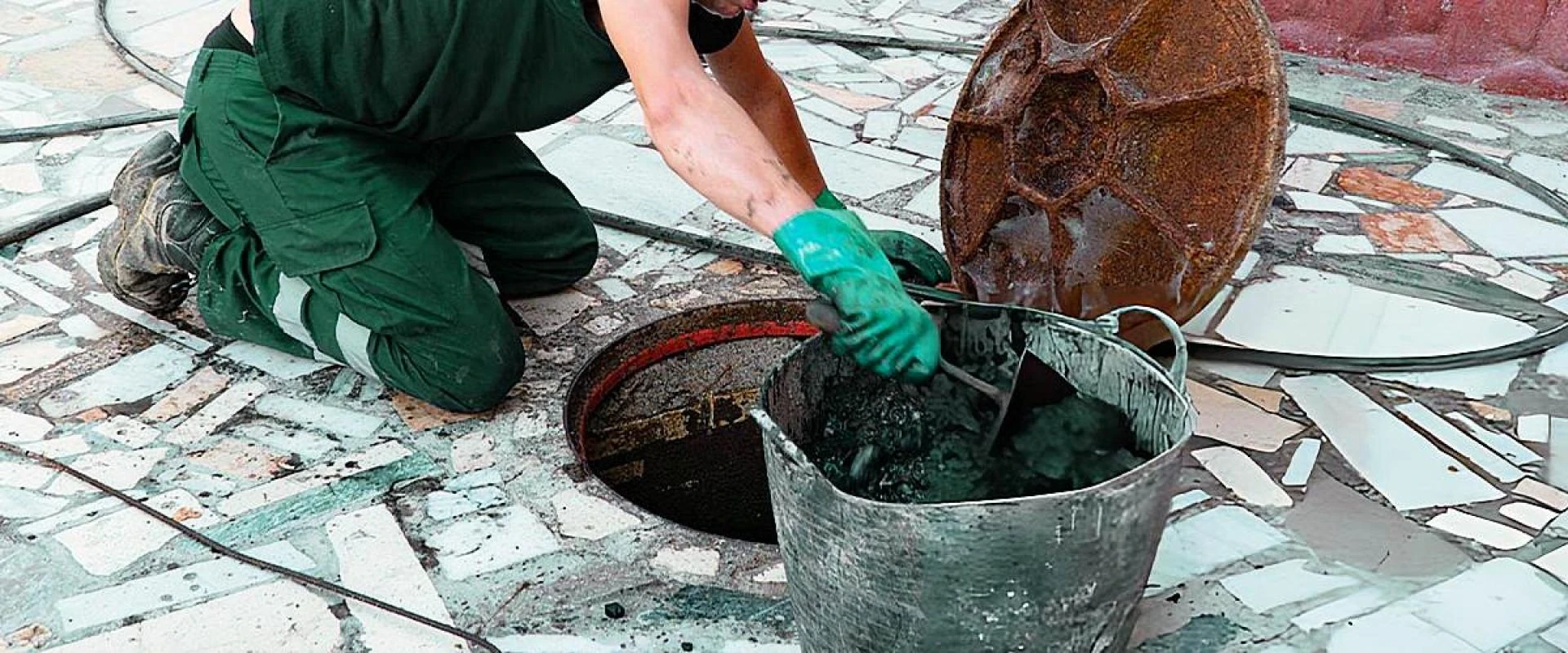
The main drain—also known as the main sewer line—is the primary pipe that carries wastewater from your home to the city sewer system or septic tank. All smaller drains from sinks, toilets, showers, and appliances connect to this line.
Because it handles the full load of household wastewater, any main drain clog can affect the entire plumbing system.
Why Is a Main Drain Blockage a Problem?
A blocked main drain can quickly escalate into a major household emergency. When the wastewater has nowhere to go, it starts backing up into your fixtures.
A main sewer line blockage can:
Cause foul odors in your home
Lead to water backup in tubs, sinks, or toilets
Create unsanitary living conditions
Result in structural damage or mold growth
Require expensive repairs if ignored
Addressing a main drain blockage early is essential to prevent long-term issues.
Signs You Have a Main Drain Blockage
If you notice unusual plumbing issues happening around the house at the same time, your main sewer line could be clogged. Here are the top warning signs:
Multiple drains clogging simultaneously (kitchen, bathroom, laundry)
Gurgling sounds from drains or toilets
Slow drains even after cleaning individual fixtures
Sewage smell near drains or in the yard
Water is backing up in the bathtub or shower when you flush the toilet
Overflow near the cleanout pipe
These symptoms indicate a deep, central issue rather than a simple sink or toilet clog.
Common Causes of Main Drain Blockage
Several factors can cause a clogged main sewer line, and understanding them can help you prevent future issues:
1. Tree Root Infiltration
Tree roots naturally seek moisture and can grow into small cracks in sewer lines. Over time, they expand and create a complete blockage.
2. Grease, Fat, and Oil Buildup
Kitchen grease hardens inside pipes, restricting flow and forming stubborn clogs. This is one of the most common causes of main drain blockages.
3. Flushing Non-Flushable Items
Wipes, paper towels, sanitary products, and other items can clog the sewer line. Even so-called “flushable wipes” can accumulate and block the main drain.
4. Old or Collapsed Pipes
Aging sewer lines made of clay, cast iron, or Orangeburg can deteriorate, collapse, or sag, leading to severe blockages.
5. Foreign Objects & Debris
Small toys, debris, or construction material accidentally entering the drain can clog the central sewer line.
When to Hire a Professional Plumber
While minor clogs can be fixed with plungers or drain cleaners, a main drain blockage is not a DIY job. You should call a professional drain cleaning service when:
Backups occur in multiple fixtures
Water overflows from the cleanout
Drain cleaning chemicals don’t work
You suspect tree roots or pipe damage
The problem keeps coming back
Professionals use tools like sewer cameras, hydro jetting, and rooter machines to accurately diagnose and clear the blockage.
Conclusion
A main drain blockage can interrupt your home’s plumbing and lead to serious damage if ignored. Understanding the signs, causes, and solutions helps you act quickly and avoid costly repairs. If you notice multiple slow drains, unusual odors, or water backups, it’s time to hire a licensed plumbing professional. Regular maintenance and early intervention are the keys to keeping your main sewer line clear and functioning smoothly.