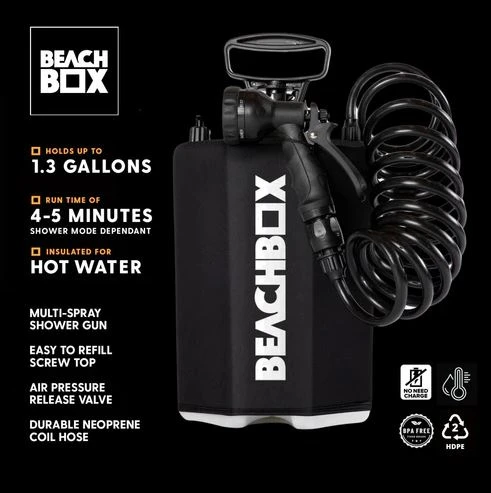
Portable showers have made life easier for campers, van lifers, and beach lovers. They take away the mess and the wait that comes after a fun day outdoors. With an outdoor camp shower, you can rinse off salt, sand, and sweat almost anywhere. The idea sounds simple, but there’s more to it than just turning on a tap. Let’s take a closer look at how they actually work.
The Basic Setup
Portable showers are built to give you running water without plumbing. The design usually has a water container, a hose, and a spray head. Some versions run on battery power while others rely on manual pumping. The water container can be a soft bag, a hard tank, or even a bucket. How you fill it depends on the model. It can be filled from a tap, a lake, or even a jug you brought with you.
Once the water is in, the system needs a way to push it out. That’s where pressure comes in. Some portable showers use gravity. You hang the water source higher than your head, and the pull of gravity sends the water down. Others use a pump to build pressure. That pump can be powered by hand, foot, or a small electric motor.
How the Water Flows
When you turn on the spray head, the water moves from the container through the hose. The flow strength depends on the pressure. Electric pumps give a steady flow. Manual pumps can be more burst-like. Gravity showers offer a gentler rinse. The water comes out at the temperature it was stored in, so warming it is a separate step.
Some units heat water with built-in elements. They can run on batteries, car power, or solar panels. Others simply rely on the sun to warm the container before you use it. Leaving the container in sunlight for a couple of hours can give you pleasantly warm water.
Why Size and Capacity Matter
A small tank will be lighter and easier to carry, but it will run out fast. Larger tanks give you more rinse time but can be heavy. You need to balance capacity with weight, especially if you have to walk far to your shower spot. Many campers find that 5 to 10 liters is enough for a quick wash. That’s enough to rinse off dirt and soap without wasting water.
Pump Power and Control
An electric pump can pull water from a container or even a nearby stream. These pumps are compact and fit right inside the tank. They push water through the hose at a steady pace, making the experience feel closer to a home shower. Manual pumps give you control but need effort. You might have to stop mid-shower to pump up more pressure.
Some models give you a trigger or a flow control switch on the spray head. That lets you stop the flow without shutting down the pump. This small feature helps save water, especially when you’re camping in dry areas.
Heating the Water
Not all portable showers heat water. If you want warm water, you’ll need to plan ahead. Solar bags are the simplest option. You fill the bag and leave it in the sun. The black surface absorbs heat and warms the water over time. For faster heating, some showers have built-in heaters. These can work from a 12V car outlet or a portable battery. They warm the water inside the tank before you start.
The heated versions can feel more like a home shower, but they also weigh more and need power sources. That means you’ll need to pack extra gear if you choose them.
Cleaning and Maintenance
Keeping a portable shower clean helps it last longer. After each use, empty the container and hose. If water sits inside for days, it can grow bacteria or mold. Rinse with clean water, and let all parts dry before packing. If the pump or hose clogs, it can affect flow. Checking filters and nozzles once in a while will keep things working smoothly.
Some users add mild soap or vinegar to rinse the system every few weeks. This helps remove mineral buildup, especially if you use water from lakes or rivers.
Using Them in the Wild
An outdoor portable shower can be set up almost anywhere. At a campsite, you can hang a gravity bag from a tree branch. On the beach, you can stand a tank on a table or flat surface and use a pump system. For road trips, many people keep a shower bag or tank in their vehicle.
The main thing is to think about where the water will drain. Avoid letting soap and shampoo run into rivers or lakes. Even biodegradable soap can harm aquatic life. Pick a spot where the runoff will soak into soil away from water sources.
Tips for Better Use
A few small habits can make your portable shower experience better. Use short bursts of water instead of leaving it running. Wet yourself, turn it off, soap up, then turn it back on to rinse. This saves water and extends your shower time.
Also, try showering in the warmest part of the day. If you use a solar bag, that’s when the water will be at its warmest. Keep your gear stored in a clean and dry spot so it’s ready for the next trip.
Why They’re Worth It
Portable showers are more than a luxury. They help you stay clean, which keeps you healthy. They make camping and beach days more comfortable. They also give you freedom. You can wash up where there’s no plumbing at all. For those who spend a lot of time outdoors, they’re a smart investment.
Final Thoughts
BeachBox offers gear that makes outdoor living easier and cleaner. Their portable shower solutions bring comfort anywhere the road or waves take you. They keep their designs simple and practical so users can enjoy fresh rinses without hassle. With them, people can spend more time enjoying the outdoors and less time worrying about the cleanup.