Why product teams are exploring AI UGC workflows
Creating a product video usually means coordinating a script, a presenter, product visuals, voiceover, captions, and several rounds of editing. For small ecommerce teams, founders, and agencies, that coordination can make early creative testing slower than it needs to be. An AI UGC workflow offers a way to assemble a first version from assets a team already has, while keeping the people responsible for the product in control of the final message.
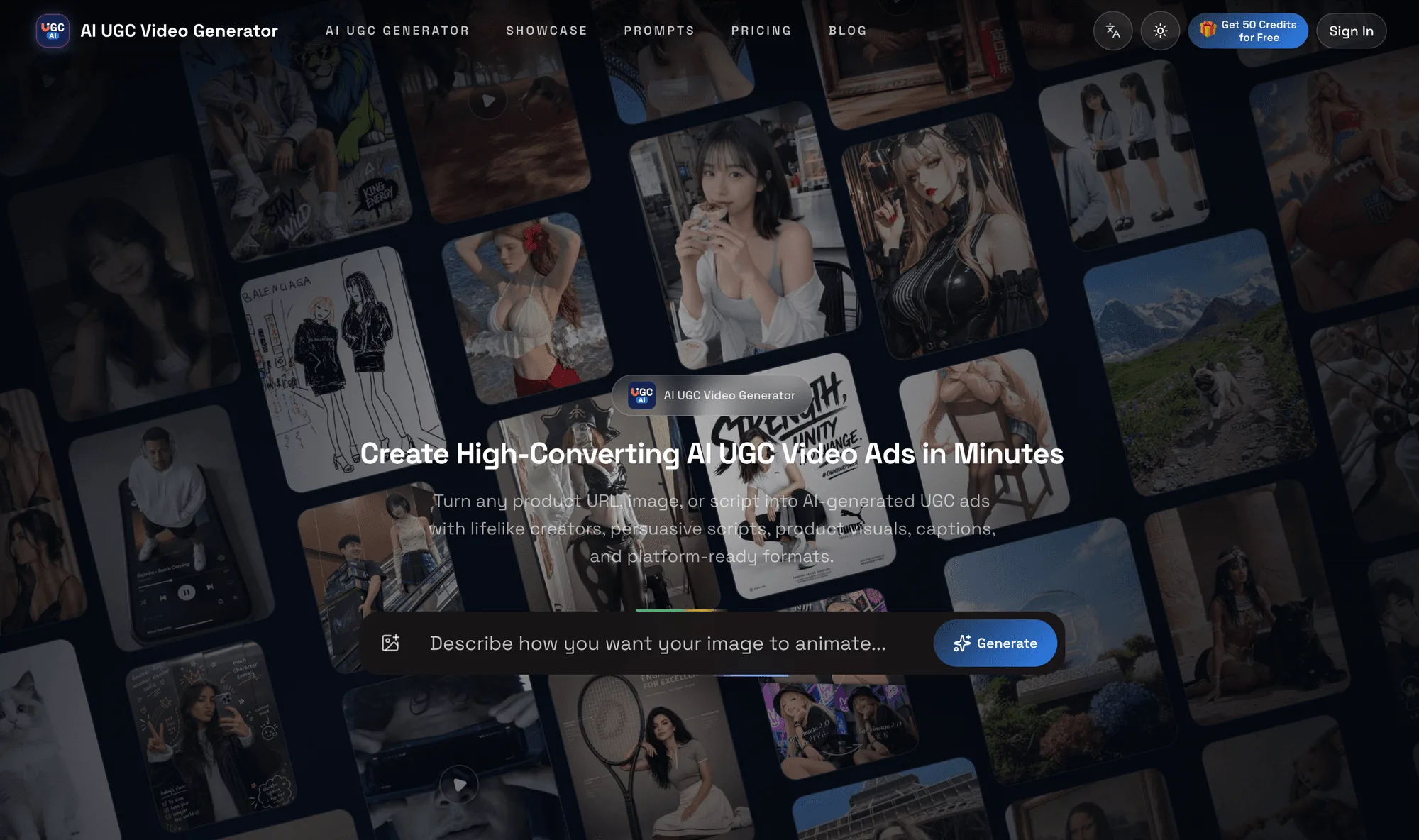
AI UGC Video Generator is designed around that starting point: https://aiugcvideogenerator.com. A team can begin with a product URL, an image, or an existing script. The workflow then organizes product benefits and audience insights before generating several hooks and ad-script directions. That makes it easier to compare different openings and decide which message deserves a more polished production pass.
From a product brief to a creator-style draft
The useful part of this approach is not a single automatic video. It is the combination of components that normally have to be assembled separately. AI creators, natural voices, product media, B-roll, captions, and calls to action can be brought together in one draft. A marketer can explore a product review, an unboxing, a demonstration, a problem-and-solution story, a before-and-after concept, or a spokesperson-style video without coordinating a new shoot for every variation.
That variety is especially helpful when a team is still learning which audience angle is clearest. A short demonstration may work for someone comparing features, while a problem-and-solution structure may be more useful for a shopper who already understands the category. Treating each version as a testable hypothesis keeps the creative process grounded: the tool can produce alternatives, but the team still needs to check claims, tone, product fit, and audience expectations.
Designing for the channels where people watch
Short-form creative rarely has one universal shape. The workflow supports exports in 9:16, 1:1, and 16:9 formats, which can help a team adapt the same underlying idea for TikTok, Instagram Reels, Meta Ads, or YouTube Shorts. Captions and clear calls to action are part of the composition rather than an afterthought, so the exported version can be reviewed as a complete piece of communication.
There is still an editorial job after generation. Product images should be current, the script should reflect the actual offer, and any comparison or performance statement should be verified before publication. AI UGC is most useful when it shortens the distance between an idea and a reviewable draft—not when it removes the need for a human approval step.
A repeatable workflow for teams and developers
For a small team, the process can remain simple: collect the product URL or images, outline the audience and benefit, generate a few hooks, review the scripts, produce several aspect ratios, and compare the results against the brief. For developers and production teams, the platform also provides API access for submitting AI video and image generation jobs, monitoring task status, and managing credit-based workflows. That opens a path to repeatable creative operations while keeping execution and side effects under team control.
The best starting point is a narrow experiment: one product, one audience, and a small set of clearly different hooks. When the inputs are specific and the review criteria are visible, AI UGC video becomes a practical way to explore creative directions without pretending that automation alone can decide what a brand should say.