Buying a home is much more than selecting an attractive apartment. It is a long-term financial commitment that should be based on careful research rather than emotions or marketing promises. While premium interiors and impressive amenities often attract attention, experienced buyers know that the real value of a property lies in its location, connectivity, construction quality, community planning, and future growth potential.
Whether you are a first-time homebuyer or an experienced investor, following a structured evaluation process can help you make a more confident decision.
1. Location Should Always Come First
A property's location plays the biggest role in determining its long-term value. Look for areas that offer smooth connectivity to business hubs, airports, highways, schools, hospitals, and shopping destinations. A well-connected location not only improves everyday convenience but also contributes to stronger appreciation over time.
2. Evaluate Infrastructure Development
Infrastructure is one of the strongest indicators of future property demand. New expressways, metro connectivity, commercial developments, educational institutions, and healthcare facilities often increase the attractiveness of a residential area. Studying upcoming infrastructure projects helps buyers understand the long-term growth potential of a neighborhood.
3. Study the Community Instead of Just the Apartment
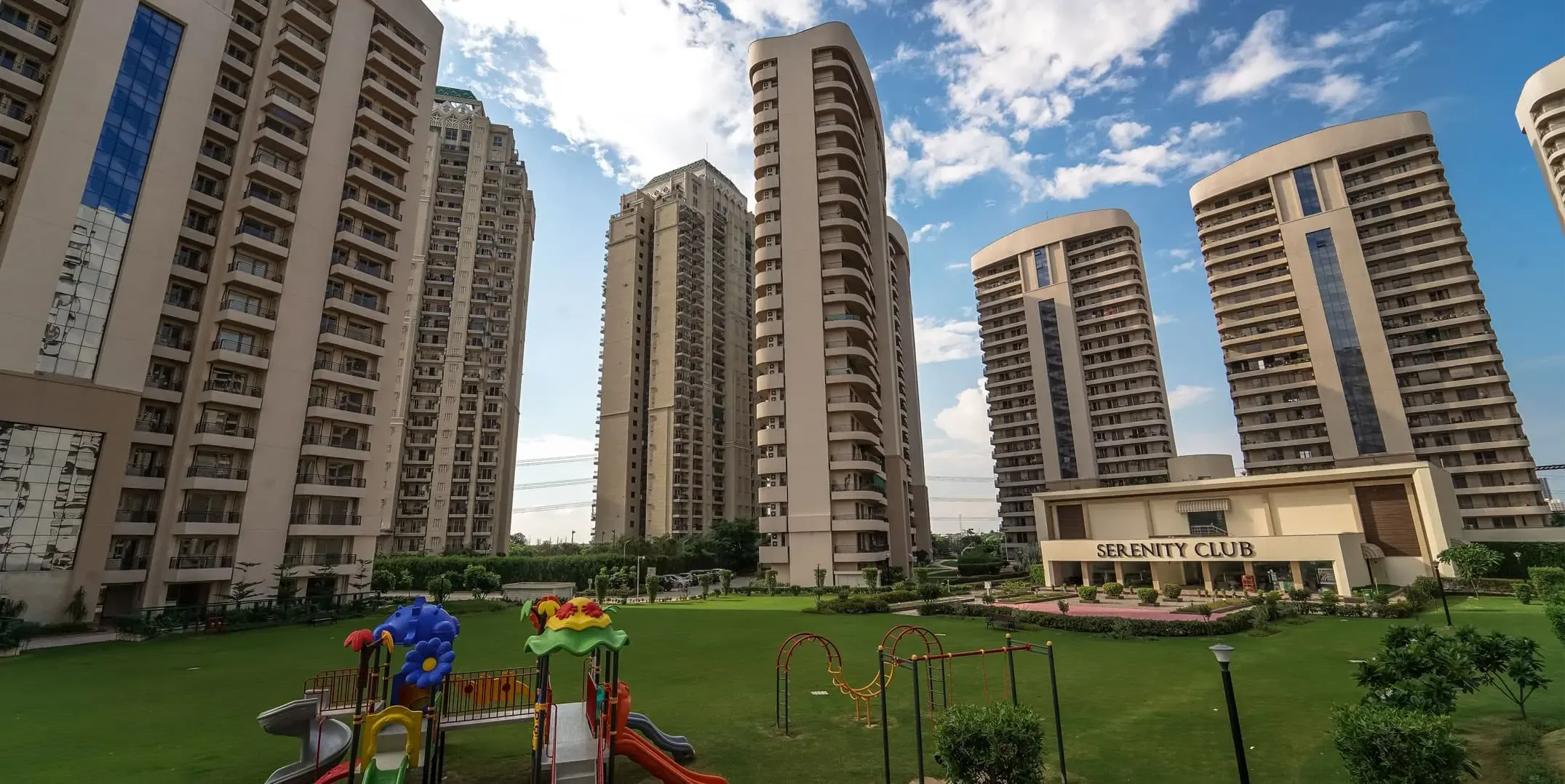
Many buyers focus only on the apartment layout while ignoring the overall community. A thoughtfully planned residential project should provide landscaped gardens, open spaces, recreational areas, pedestrian-friendly pathways, and quality common facilities. These features directly influence the quality of life after possession.
4. Review Construction Quality and Specifications
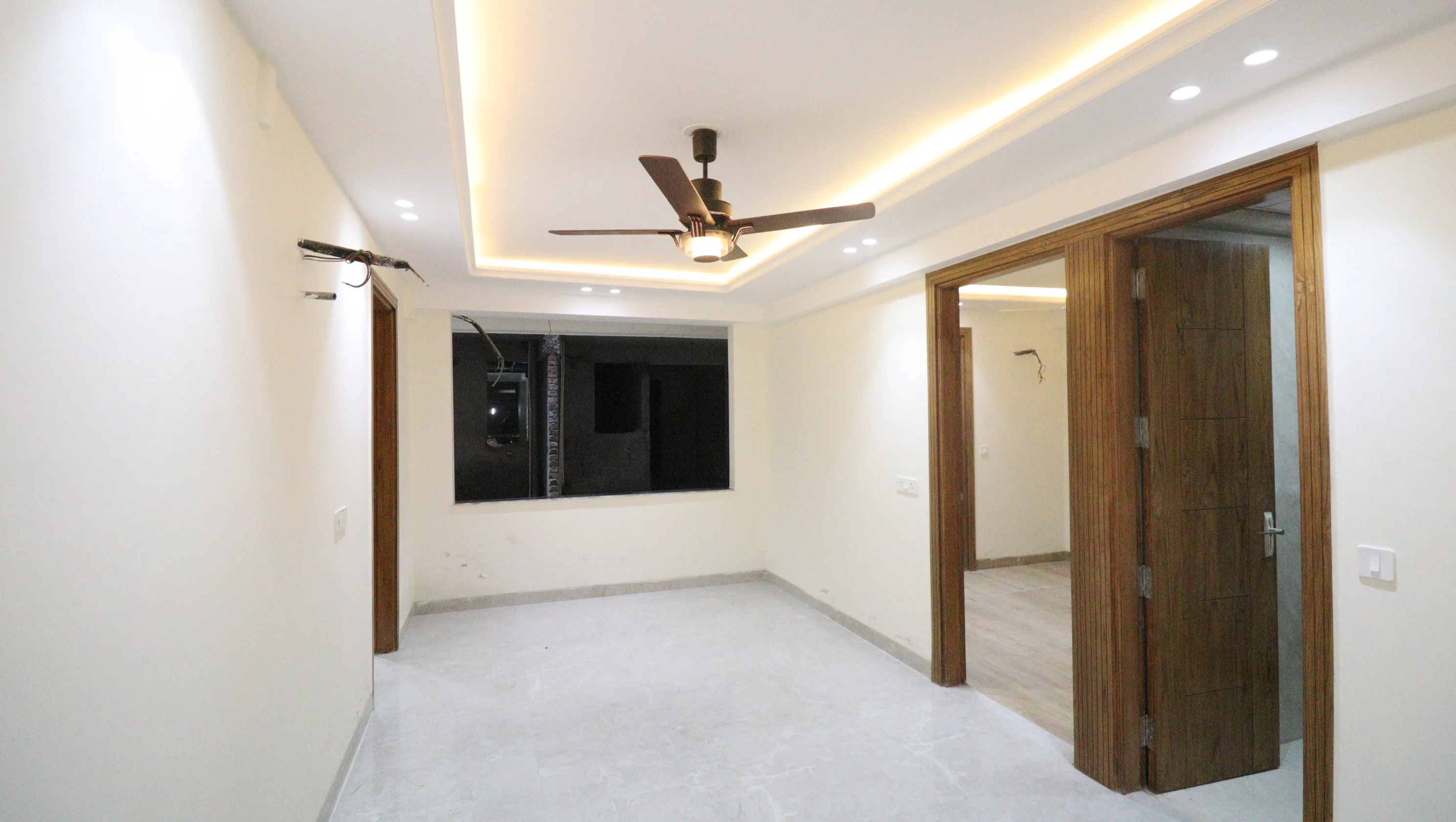
Premium flooring and modern interiors are valuable, but buyers should also examine structural quality, electrical systems, plumbing, fire safety measures, security infrastructure, power backup, water supply, and maintenance standards. These factors determine how well a property performs over the years.
5. Consider Lifestyle Amenities
Amenities should complement everyday living rather than simply add marketing value. Clubhouses, fitness centers, swimming pools, children's play areas, sports facilities, jogging tracks, and landscaped parks contribute to a healthier and more enjoyable lifestyle for residents of all age groups.
6. Understand Market Demand
Projects located in established residential corridors generally enjoy stronger resale opportunities and rental demand compared to isolated developments. Analyzing local market trends, buyer demand, and infrastructure growth can help investors identify properties with better long-term potential.
A Practical Example
For buyers exploring premium residential developments in Gurgaon, researching detailed project information before visiting a site can save valuable time. Instead of relying solely on promotional material, compare floor plans, amenities, specifications, location advantages, and investment insights from a reliable source.
A comprehensive guide covering these aspects for Chintels Serenity is available here:
Explore the complete project guide: https://10xmoneyrealtors.com/chintels-serenity
Final Thoughts
Successful real estate investing is rarely about finding the lowest price or the biggest apartment. It is about choosing a property that aligns with your lifestyle needs while offering long-term value. By evaluating location, infrastructure, construction quality, community planning, amenities, and future development together, buyers can make more informed and confident decisions.
The more time you invest in research today, the better prepared you'll be to choose a home that serves both your family and your financial goals for years to come.