Agriculture businesses have more to explain than what they grow or sell. Farmers, suppliers, food processors and equipment makers all need to communicate with audiences who have different questions, levels of expertise and buying priorities. Useful online content can help bridge that gap, whether the goal is to explain a new technology, share practical advice or build recognition in a crowded market. A thoughtful strategy starts with understanding readers and choosing the right places to reach them.
Start with the Audience, Not the Format
Before planning articles, videos or social posts, identify who you want to reach. A seed company speaking to commercial growers may need detailed information on crop performance, while an agricultural software provider may need to show how its tools fit into a busy workday. Retail customers, distributors and policymakers will each look for different details.
Write down the questions your audiences ask before choosing a product or service. These might concern cost, reliability, seasonal timing, maintenance, regulations or expected results. Sales and customer-support teams can help identify recurring questions. Content built around real concerns is more likely to be useful than broad claims about innovation or quality.
Choose Topics That Demonstrate Practical Knowledge
Agriculture is shaped by local conditions, changing seasons and technical decisions. Content that recognises these realities can offer more value than generic industry commentary. Consider subjects such as preparing machinery for a new season, evaluating water-management options, reducing storage losses or choosing software for farm records. The right topic depends on your expertise and your audience’s needs.
Make each piece specific enough to help readers take a next step. An article about soil testing, for example, can explain when to collect samples, what information a report provides and which questions to ask an adviser. When a topic involves safety, financial decisions or regulated practices, use qualified contributors and check factual claims before publishing.
Use a Mix of Content Formats
Not every idea needs to become a long article. A short checklist may suit a time-sensitive task, while a detailed guide can help readers compare complex options. Short videos can demonstrate equipment or a process, and interviews can bring forward the experience of growers, researchers or technicians.
Choose formats according to how people will use the information. A buyer researching machinery may want specifications and comparisons they can revisit. Someone learning a simple maintenance step may prefer a quick demonstration. Reuse strong material thoughtfully: a guide can provide ideas for a newsletter or a series of social posts, but each version should make sense on its own rather than simply repeating the same copy.
Publish Beyond Your Own Website
Your website gives you a home for in-depth resources, but relevant industry publications can introduce your work to readers who have not yet encountered your brand. A contributed article can share expertise with a new audience when its subject fits the publication and the article is genuinely helpful. The aim should be to contribute insight, not to turn every paragraph into a sales pitch.
Before approaching an outlet, review its readership, topics, writing style and submission requirements. A farming publication may welcome field-level guidance, while a business-focused site may be more interested in supply chains, workforce challenges or agricultural technology. Directories such as agriculture guest posting websites can help marketers identify potential publishing opportunities; each site still needs to be assessed for audience fit and editorial standards.
Decide Who Will Create the Content
Some businesses have in-house staff with the time and knowledge to plan and produce content. Others may need outside support for research, writing, design, video production or distribution. The right arrangement depends on the workload, the skills required and how consistently the company expects to publish.
A freelancer can be a practical choice for a defined assignment or a specialist skill. An agency may suit a broader programme that needs coordinated planning and several services. Compare the scope of work, communication process, revision terms and experience with technical subjects—not just the quoted price. When weighing agency retainer costs against project-based help, clarify exactly what is included and how progress will be reported. Osdire’s overview of freelancers versus agencies offers a useful framework for comparing those options.
Measure Whether the Strategy Is Working
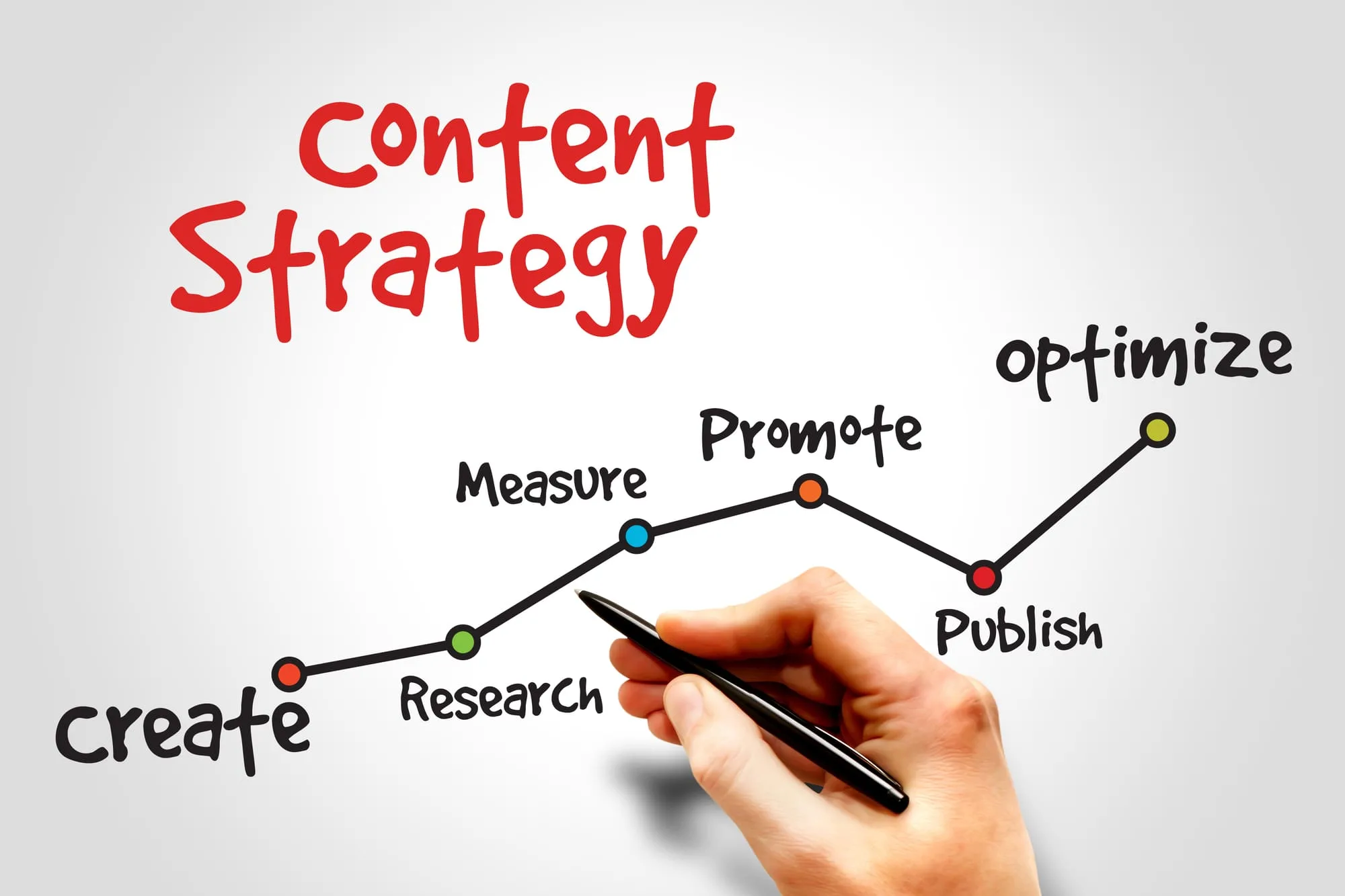
Decide what success means before publishing. For an educational guide, relevant measures may include qualified visits, time spent reading, newsletter sign-ups or enquiries from the intended audience. For a contributed article, consider referral visits and whether it reaches the right professional community. A high view count alone does not show that the content helped readers or the business.
Review results periodically and look for patterns. If readers regularly leave a page quickly, the opening may not match the promise of the headline, or the information may be difficult to scan. If a practical guide continues to attract relevant visitors, update it as products, guidance or conditions change. Measurement is most useful when it leads to a specific improvement.
Build a Sustainable Publishing Routine
A manageable schedule is more valuable than an ambitious plan that quickly stalls. Begin with a few topics your team can support with reliable expertise, assign responsibility for review and set realistic deadlines. Keep a record of published material, planned updates and questions that deserve future coverage. This helps prevent duplication and makes it easier to respond to seasonal priorities.
Conclusion
Effective agribusiness content combines practical knowledge, clear presentation and careful distribution. By learning what audiences need, selecting suitable formats and publishing in relevant places, businesses can make their expertise easier to find and use. A steady process for checking facts, measuring results and updating useful material helps keep that content relevant as the industry changes.