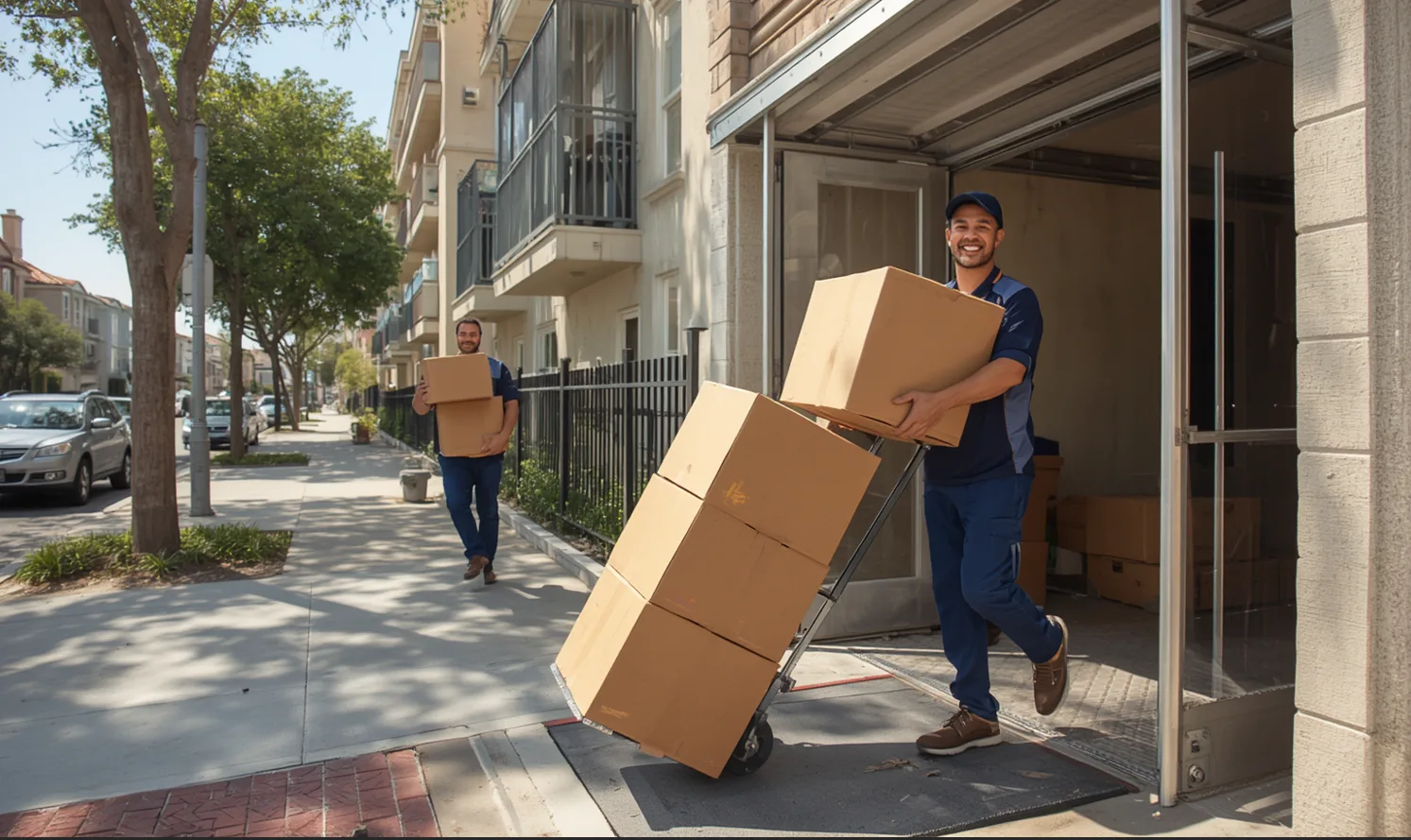
Every pocket of LA has its own moving quirks — from the narrow hillside roads of Laurel Canyon to the loading-dock queues of Arts District lofts. Whether you are relocating from Echo Park to El Segundo or from Koreatown to Calabasas, choosing experienced movers Los Angeles locals trust can mean the difference between a seamless day and a logistical disaster. This guide breaks down what to expect when moving across the city's most popular neighbourhoods.
Westside Moves: Santa Monica, Venice, Brentwood, and Mar Vista
The Westside is defined by traffic and tight residential streets. If your move involves the Pacific Coast Highway corridor, schedule loading for early morning — ideally before seven a.m. — to beat the coastal commute. Venice walk streets are closed to trucks entirely, meaning everything gets hand-carried from the nearest legal parking spot. Brentwood moves near Sunset Boulevard often require parking permits from the City of Los Angeles, which take three to five business days to process.
Apartment buildings along Wilshire in Santa Monica typically have strict move-in windows, usually between nine a.m. and four p.m. on weekdays only. Reserve the freight elevator the moment your lease is signed. Wait too long and you will be rescheduling your entire move around someone else's booking.
Eastside and Northeast LA: Silver Lake, Los Feliz, Highland Park, and Eagle Rock
Steep hills, narrow streets, and limited parking define much of the Eastside. If you are moving out of a hillside home in Silver Lake or Elysian Heights, your mover may need to use a smaller shuttle truck to access the property and then transfer items to a larger vehicle parked on a main road below. This adds time and labour, so factor it into your quote.
Highland Park and Eagle Rock are increasingly popular with young families, and weekend moves on York Boulevard or Figueroa Street compete with heavy foot traffic and restaurant crowds. A Tuesday or Wednesday move here will go significantly faster.
The Valley: Studio City, Sherman Oaks, Encino, and Woodland Hills
The San Fernando Valley offers wider streets and more driveway access than much of the basin, which generally makes loading and unloading faster. The trade-off is heat. Valley temperatures regularly hit triple digits from June through September. Professional crews manage this by starting at dawn and taking scheduled hydration breaks, but it is worth asking how your mover handles extreme heat to protect both people and temperature-sensitive items like candles, vinyl records, and electronics.
Gated communities in Encino and Hidden Hills may require advance security clearance for the moving truck. Confirm this with your HOA or building management at least a week before your move date.
Downtown, South LA, and the Harbour Area
Downtown LA moves are almost exclusively high-rise or mid-rise. Freight elevator access is the bottleneck — you will share it with other residents, deliveries, and building maintenance. Many DTLA buildings charge a refundable move-in deposit of five hundred to two thousand dollars to cover potential damage to common areas. Budget for that upfront.
South LA and the Harbour Area — including San Pedro, Wilmington, and Carson — are more suburban in character. Moves tend to be single-family homes with straightforward truck access. The distance from central LA, however, means your mover's travel time is longer, which affects hourly billing on local moves.
Final Thoughts
Los Angeles is a city where moving logistics change dramatically from one zip code to the next. The best preparation is choosing a mover who knows your specific neighbourhood, asking the right questions about parking, access, and timing, and building a cushion into your schedule. Every successful LA move starts with local knowledge.