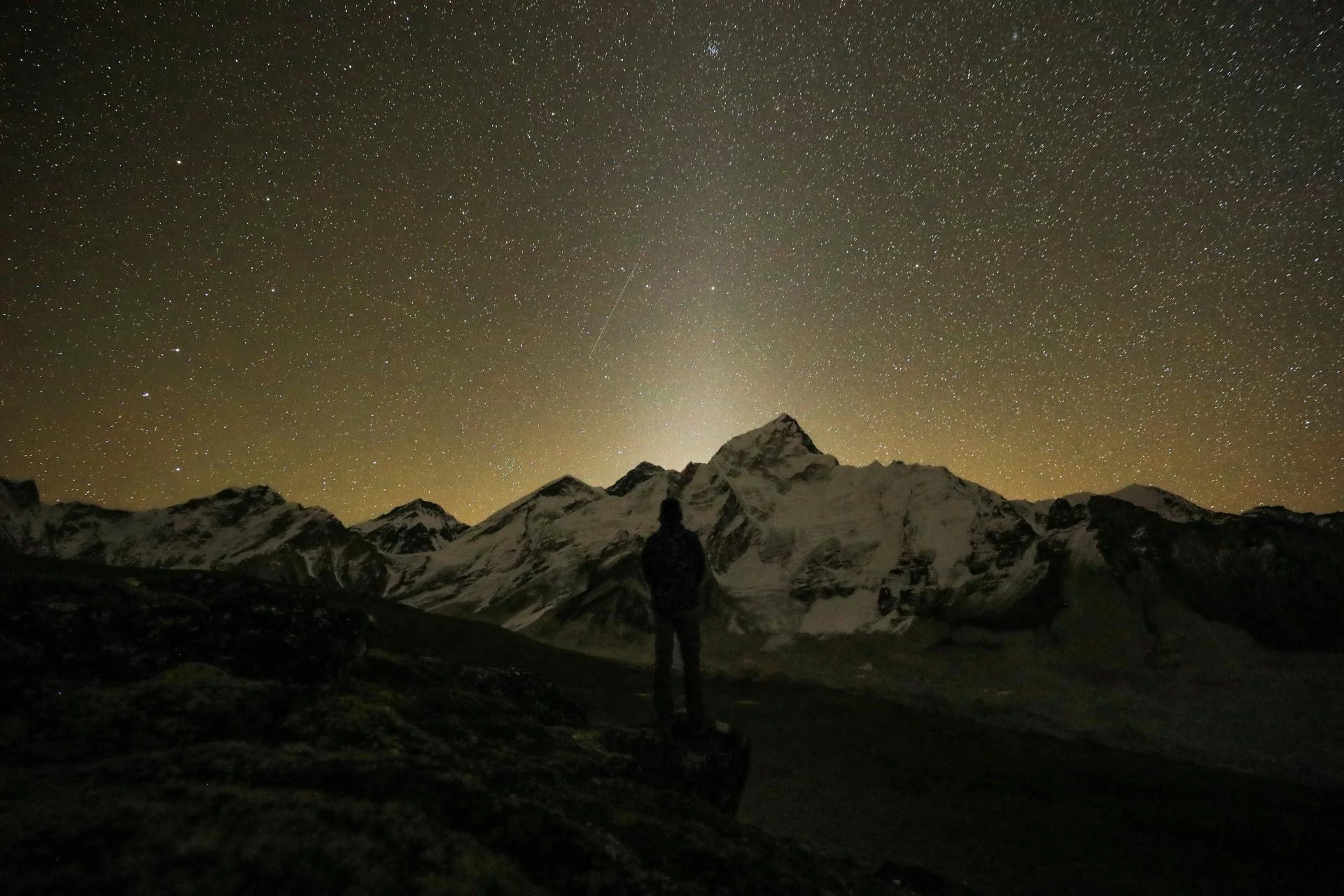
The Everest Base Camp trek offers an adventure like no other. Towering snow-capped peaks, glaciers, and rugged trails make this one of the most iconic treks in the world. Every step on the trail brings you closer to the majestic Himalayas and the villages that call these mountains home. From breathtaking landscapes to the warm hospitality of locals, the Everest Base Camp journey is truly unforgettable.
Why the Everest Base Camp Trek is Special
This trek is more than just a hike; it is a full Himalayan experience. Trails pass through Sherpa villages, Buddhist monasteries, and dense forests, giving trekkers a chance to connect with local culture. The combination of natural beauty and cultural richness makes every moment along the trail memorable.
The trek also offers a variety of scenery. Early stages feature green forests, waterfalls, and rivers. As you climb higher, views of Everest, Lhotse, and Ama Dablam dominate the horizon. Every step brings a new panorama to admire.
Trek Statistics You Should Know
Here are some important details to plan your adventure:
- Average Trek Length: 12–16 days, depending on pace and side trips
- Total Distance: Approximately 130 kilometers round trip
- Maximum Elevation: Everest Base Camp sits at 5,364 meters
These numbers show that the trek is challenging yet achievable for healthy adults. Proper preparation, acclimatization, and pacing make it possible to enjoy the adventure safely.
Scenic Highlights Along the Trail
The journey begins in lush valleys and forests, gradually rising into alpine landscapes. The trail passes through towns like Namche Bazaar, Tengboche, and Dingboche. Each village offers a glimpse into Sherpa life, local cuisine, and traditional architecture.
Higher up, trekkers are rewarded with panoramic views of Everest, Nuptse, and other Himalayan giants. Glacial rivers, suspension bridges, and moraine fields add variety to the landscape, keeping every day exciting.
Sherpa Culture and Village Life
Sherpa villages are a highlight of the trek. Staying in guesthouses allows trekkers to taste local dishes, enjoy hot tea, and learn about daily life in high-altitude communities. Monasteries and prayer flags give the trail a spiritual touch, creating moments of reflection along the way.
Interacting with locals adds a human dimension to the trek. Their stories, smiles, and hospitality make the Everest Base Camp trek more than just a physical journey—it becomes a cultural experience as well.
Tips for a Safe and Enjoyable Trek
- Acclimatize Properly: Take rest days to prevent altitude sickness.
- Pack Smart: Warm clothing, trekking shoes, and rain gear are essential.
- Stay Hydrated: Drink water regularly and eat enough to maintain energy.
- Respect Local Culture: Ask permission before photographing people and leave no trace on the trails.
These tips help ensure a safe and enjoyable journey while respecting both the environment and local communities.
Sunrise and Sunset Views at Base Camp
Sunrise at Everest Base Camp is unforgettable. The first rays of light illuminate Everest and surrounding peaks in golden and pink hues. Sitting at the base camp, surrounded by Himalayan giants, creates a feeling of awe and achievement.
Sunsets are equally spectacular. The fading light highlights the mountains’ textures and colors, offering peaceful moments to reflect on the journey.
Final Thoughts
The Everest Base Camp trek is a true adventure of a lifetime. From cultural villages to panoramic mountain views, it combines challenge, beauty, and inspiration. Every step tells a story, and every peak leaves a memory.
Walking through forests, climbing high ridges, and witnessing the grandeur of the Himalayas is an experience few can forget. Everest Base Camp is not just a destination—it is a journey that stays in your heart forever.