Choosing the right material can make or break a fabrication project. For Metal Fabrication in Saudi Arabia, it is more than simply choosing the strongest available metal. Climate, project location, budget, load requirements, and long-term maintenance all matter.
Saudi Arabia's hot temperatures, dusty conditions, and, in coastal areas, salty air can put additional demands on fabricated metal. A material that works perfectly indoors may not be the smartest choice for an exposed structure in Jeddah.
So, where do you start?
Quick Summary
- Consider factors such as strength, weight, and the purpose when choosing materials.
- Structures need strength, and steel is a popular material.
- Stainless steel is corrosion-resistant.
- Aluminum is helpful in case you need lightness and corrosion resistance.
- Local climate and maintenance requirements should always influence the final decision.
Understanding Metal Fabrication Materials
Not every fabrication project needs the same characteristics. A structural frame, architectural feature, and industrial component can have completely different requirements. The usual choices include carbon steel, stainless steel and aluminum, although the right grade depends on the job.
Carbon Steel
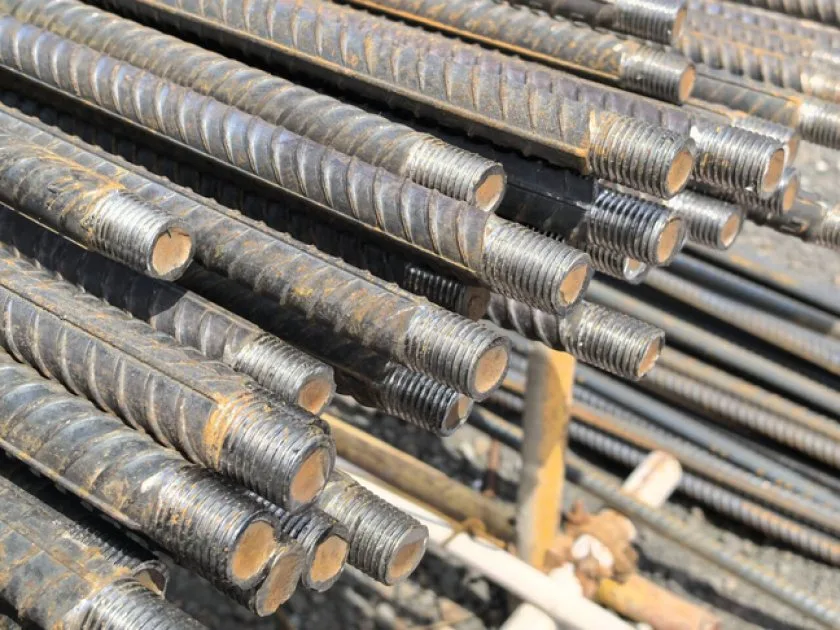
Carbon steel is a popular choice for structural and industrial applications because it offers a useful combination of strength, availability and cost.
It can be cut, welded, formed and finished in various ways. For outdoor use, though, protection against corrosion is important. Coatings, galvanizing or suitable paint systems can help extend its service life.
Stainless Steel
Need corrosion resistance without constantly worrying about surface deterioration? Stainless steel is often worth considering.
Stainless steel is especially useful in areas where there is moisture, chemicals, or salty coastal air, since it is resistant to rust. It also looks clean, so it is useful for architectural and commercial applications.
aluminum
Aluminum is much lighter than steel, and this can be an advantage when weight has to be controlled. It is naturally resistant to corrosion and can be used for architectural structures, panels, frames, and applications where the ease of handling is important. The trade-off is that aluminum generally doesn't provide the same structural strength as steel for comparable sections.
Metal Fabrication in Saudi Arabia: What Should You Consider?
Material selection should start with the environment and the job, not the price tag.
Project Location
A project in Riyadh faces different environmental conditions from one on the Red Sea coast. For metal fabrication Jeddah projects, for instance, exposure to humid, salty air can make corrosion resistance especially important.
Strength and Load
Ask what the fabricated component actually needs to carry. Heavy structural applications may favor carbon or structural steel, while lighter architectural elements may benefit from aluminum.
Heat and Outdoor Exposure
Saudi summers can be harsh. Materials and protective finishes should be selected with temperature, sunlight, and outdoor exposure in mind, particularly for permanently installed structures.
Maintenance
Think beyond installation day. A slightly cheaper material can become expensive if it needs frequent repainting, repairs, or replacement. A good fabricator should be able to discuss the expected service environment and recommend an appropriate material and finish.
Comparing Common Materials
Here's a practical starting point when comparing metal fabrication materials for Saudi projects:
These are broad guidelines, of course. Material grade, thickness, fabrication method and finish can change the final recommendation.
Choosing a Fabricator
Material quality is only part of the equation. Fabrication quality matters just as much. Look for a supplier that has experience in the kind of work you need done, whether it’s cutting and forming, welding, finishing or quality control. Clear drawings, accurate measurements and proper material specifications can avoid costly corrections later on.
If you are looking for products and fabrication-related solutions for your business, then Talai is one company to check out for their range of products and capabilities.
Steel Fabrication in Saudi Arabia: When Is It the Better Choice?
For demanding structural projects, steel fabrication in Saudi Arabia remains a practical option because steel combines strength, versatility, and relatively straightforward fabrication. In cases where bearing capacity is essential, the use of steel may be especially appropriate.
Nonetheless, the application of steel does not always guarantee success. In instances when weight reduction or rust resistance becomes more important than high structural strength, steel might not be the best choice.
Practical Information Table
Conclusion
Choosing materials for Metal Fabrication in Saudi Arabia is really about matching the material to the environment, application, and expected lifespan. Steel may be ideal for one project, while stainless steel or aluminum could be the smarter choice for another. Don't overlook the details that seem small at first: coastal exposure, maintenance, weight, finishing and the loads involved. Getting those decisions right early can save both time and money later.
If you're planning a fabrication project, speak with an experienced supplier, explain where and how the finished product will be used, and ask for a material recommendation based on those conditions. Sometimes the best choice isn't the most obvious one.
FAQ's
1. What is the best material for metal fabrication in Saudi Arabia?
The best material depends on the application. Steel is commonly selected for strength, stainless steel for corrosion resistance and aluminum when low weight is important.
2. Which metal is best for coastal areas in Saudi Arabia?
Stainless steel can be a strong option for coastal environments because of its corrosion resistance. Properly protected or galvanized steel can also be suitable depending on the application.
3. Is steel suitable for outdoor fabrication in Saudi Arabia?
Yes. Steel is widely used outdoors, but it should normally have an appropriate protective finish, such as galvanizing or a suitable coating, to help resist corrosion.
4. What materials are commonly used for metal fabrication Jeddah projects?
Common choices include carbon steel, stainless steel, and aluminum. Because Jeddah's coastal environment can increase corrosion risk, the surrounding conditions should be considered carefully.
5. How do I choose the right metal fabrication material?
Start by assessing the project's load requirements, location, exposure to heat or moisture, required lifespan, maintenance needs and budget. A qualified fabricator can then recommend the most appropriate material and finish.