Booking a dive can feel like a leap of faith when you don't know exactly what the day will involve, especially on an island with as many dive operators as Koh Tao. This piece walks through what an actual day looks like when you book with La Bombona Diving Koh Tao, from the moment you arrive at the shop to the boat ride home, so you know what to expect before you commit.
Getting Started: Booking and Check-In
Most divers book either directly online or by stopping into the shop in person a day or two ahead of when they want to dive, whether that's for a course, a specific fun dive, or a day trip to sites further offshore. Once you're booked, check-in typically happens the morning of your dive, where staff confirm your certification level, dive experience, and any relevant medical questions before fitting you for gear. If you're joining as a fun diver rather than a course student, this is also when your dive plan for the day gets finalized based on your certification level, experience, and what conditions look like.
Gear Fitting and the Boat Briefing
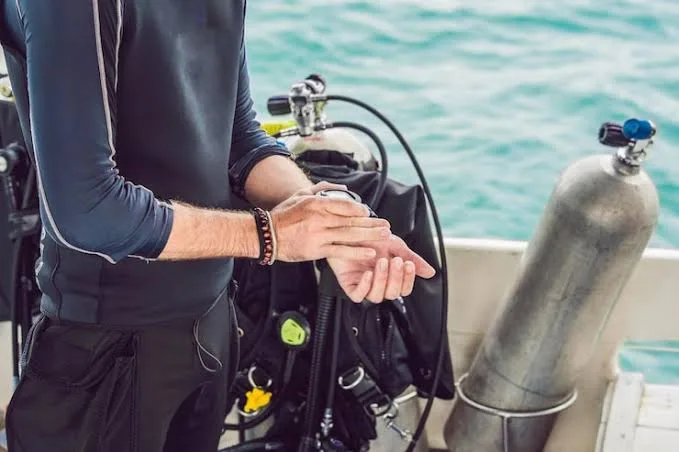
Once you're checked in, you'll be fitted with a wetsuit, BCD, fins, and mask sized to you, along with a tank and regulator setup that gets checked before you board. Before departure, there's a boat briefing covering the day's dive sites, expected conditions, and the overall plan for the day, including how many dives, roughly how long each will run, and what to expect in terms of marine life and underwater terrain. This is also where instructors or dive guides get a read on the group, pairing more experienced divers together and keeping a closer eye on anyone newer to diving or the site.
Small Groups and Why That Matters
One of the more practical things that separates a good day of diving from a mediocre one is group size. Larger groups mean less individual attention, more time spent waiting around, and a diving pace that's dictated by the slowest or least experienced member rather than what actually suits you. Keeping dive groups manageable is something we prioritize specifically because it changes the experience meaningfully, divers get more one-on-one guidance from their guide, more flexibility in the dive plan, and generally a calmer, less rushed day on the water. If you've dived with large groups elsewhere and found it a bit chaotic, this is usually the biggest difference divers notice.
The Dive Sites You Might Visit
Depending on conditions, certification level, and what's booked for the day, dives might take you to any of the reef sites scattered around Koh Tao itself, or further out to destinations like Sail Rock, one of the best-known dive sites in the Gulf of Thailand and a highlight for divers who've built up enough experience to make the longer boat ride worth it. Course students doing their PADI Open Water training will dive at sites suited to beginners, with calmer conditions and shallower depths, while more experienced fun divers or those working toward Advanced Open Water or Divemaster status get matched to sites that suit their skill level and goals for the day.
Between Dives: Surface Intervals and Boat Time
Multi-dive days include a surface interval between dives, giving your body time to off-gas safely before heading back down. This downtime on the boat is also when a lot of the day's best conversations happen, guides pointing out what to look for on the next dive, divers comparing notes on what they just saw, and a general chance to relax in the sun between dives. It's a relaxed, unhurried part of the day rather than dead time, and it's one of the small details that makes a day trip feel considered rather than rushed.
Who a Day Like This Suits
A day booked through la bombona diving koh tao tends to work well for a wide range of people: certified divers passing through the island who want one or two solid dives without committing to a multi-day course, travelers on a course who need consistent daily instruction, and more advanced divers looking for a specific trip like Sail Rock. What ties it together is the same underlying structure regardless of who's booking: proper gear checks, clear briefings, manageable group sizes, and dive plans that are actually built around the people on the boat that day rather than a generic script.
If you're deciding where to book your next dive day on Koh Tao, the practical questions worth asking any shop are how large their groups run, how dive sites get chosen, and how much individual attention you'll actually get once you're in the water. Those details, more than anything else, are what shape whether a day of diving feels memorable or just adequate, and they're worth asking about before you hand over your money, not after you're already back on shore comparing notes with other divers.