Tucked between the heritage hubs of Udaipur and Jodhpur, the rugged granite hills of Jawai offer one of the most remarkable wildlife landscapes in the world. Unlike conventional national parks bound by dense canopies and restricted core zones, Jawai is an open wilderness where apex predators live harmoniously alongside the indigenous Rabari pastoral community.
Planning a journey to this rugged granite haven requires an itinerary that balances dawn tracking, cultural engagement, and wetland birdwatching. This practical 3-day itinerary ensures you experience the raw pulse of the land while staying anchored in authentic luxury and local knowledge.
Day 1: Arrival, Village Walks, and Sundowner by the Kopjes
Afternoon: Arrival and Check-In
Most travelers reach Jawai by private road transfer from Udaipur Maharana Pratap Airport (around 3 hours) or Jodhpur Airport (approximately 3.5 hours). As you leave the highway behind, the landscape shifts dramatically into prehistoric granite formations known as kopjes, interspersed with thorny scrub and pastoral farmland.
Settle into your sanctuary at The Jawai Sagar, widely recognized as the best resort in jawai for its seamless blend of bespoke hospitality, understated comfort, and deep ecological roots. After a refreshing welcome drink infused with local desert herbs, take time to unpack and soak in the stillness of the surrounding wilderness.
Late Afternoon: Rabari Village Immersion
Begin your Jawai exploration on foot. Accompanied by a resident naturalist, visit a nearby hamlet of the semi-nomadic Rabari tribe. Instantly recognizable by their crimson turbans, white tunics, and silver jewelry, the Rabaris have shared these grazing grounds with wild leopards for generations. Learn about their reverent relationship with nature, their daily cattle-herding traditions, and the folklore that protects the big cats from conflict.
Evening: Granite Rock Sundowner
As the late afternoon sun turns the granite formations a deep shade of amber, ascend a low-gradient rock face for a signature wilderness sundowner. Enjoy freshly brewed tea and savory local snacks as twilight settles over the hills, followed by a curated Rajasthani dinner under an unpolluted canopy of stars.
Day 2: Leopard Tracking, Wetland Birding, and Dam Panoramas
Dawn: Morning Leopard Tracking
Your alarm rings before dawn for the hallmark experience of the region: a private 4x4 open-top drive. The cool morning air offers optimal conditions to observe leopards returning from night hunts or sunning themselves on the smooth boulder slopes.
Embark on an exhilarating Jawai Leopard Safari led by seasoned local trackers who read pugmarks, alarm calls of peafowl, and territorial scratch markings with unmatched accuracy. Because the leopards of Jawai are accustomed to vehicles and do not see them as a threat, sightings often occur in broad daylight against dramatic geological backdrops.
Midday: High Tea and Leisure
Return to base for a warm breakfast spread featuring fresh farm produce. Spend the warmer midday hours resting by the pool, visiting the in-house library, or participating in a short pottery workshop led by village artisans.
Afternoon: Jawai Bandh and Crocodile Spotting
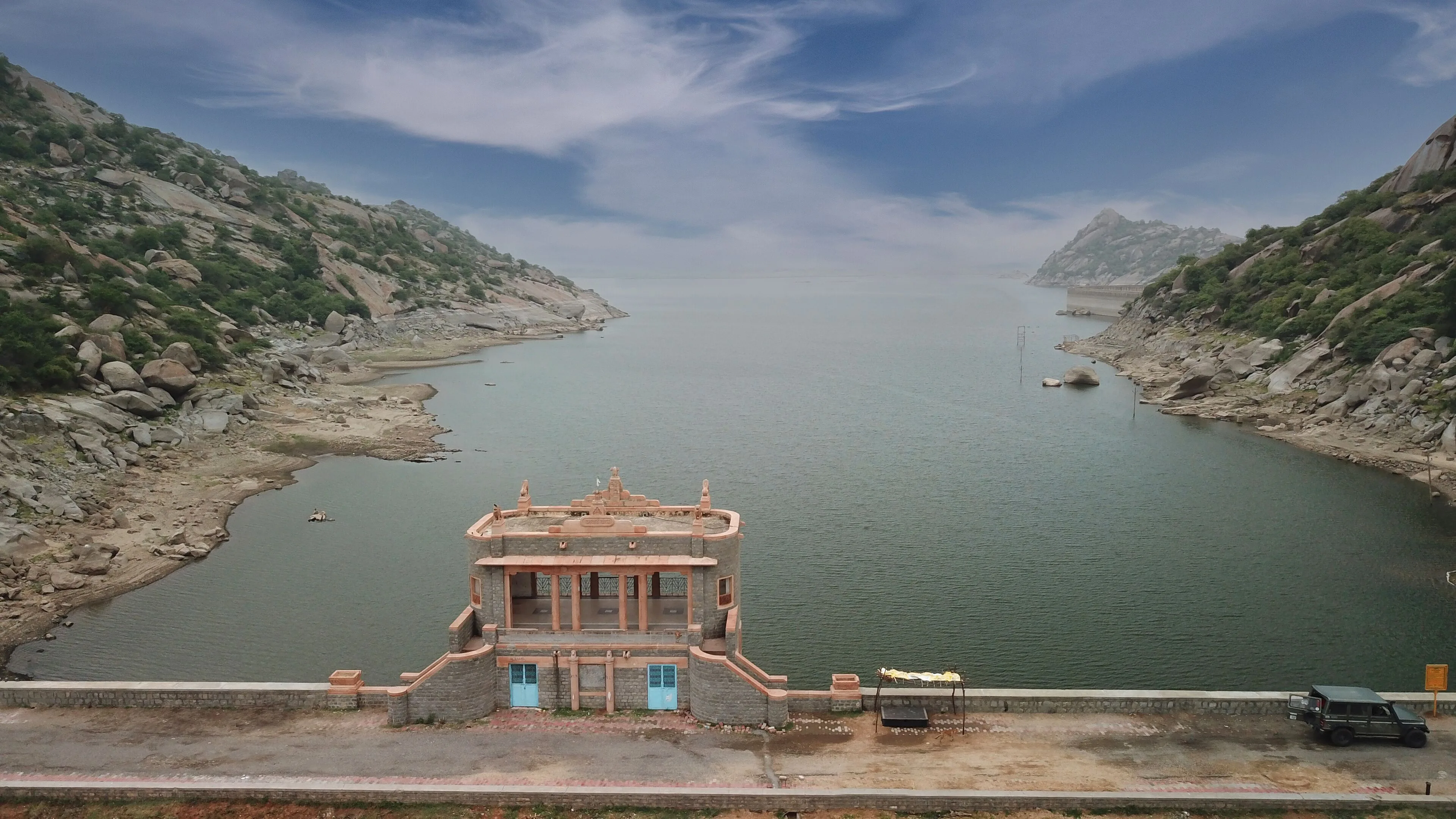
Head out toward the historic Jawai Dam, built across the Jawai River in 1957 by Maharaja Umaid Singh of Jodhpur. The reservoir forms a thriving ecosystem that draws thousands of migratory birds between October and March, including bar-headed geese, flamingos, sarus cranes, and pelicans. Along the muddy banks, massive mugger crocodiles bask in the afternoon warmth, providing exceptional photography opportunities.
Night: Bush Dinner and Campfire Tales
Conclude your second day with an open-air bush dinner. Gather around a crackling campfire to hear your naturalist share field insights regarding local leopard identification, territorial dynamics, and ongoing conservation partnerships.
Day 3: Sunrise Nature Trail and Seamless Departure
Morning: Temple Treks and Bird Walks
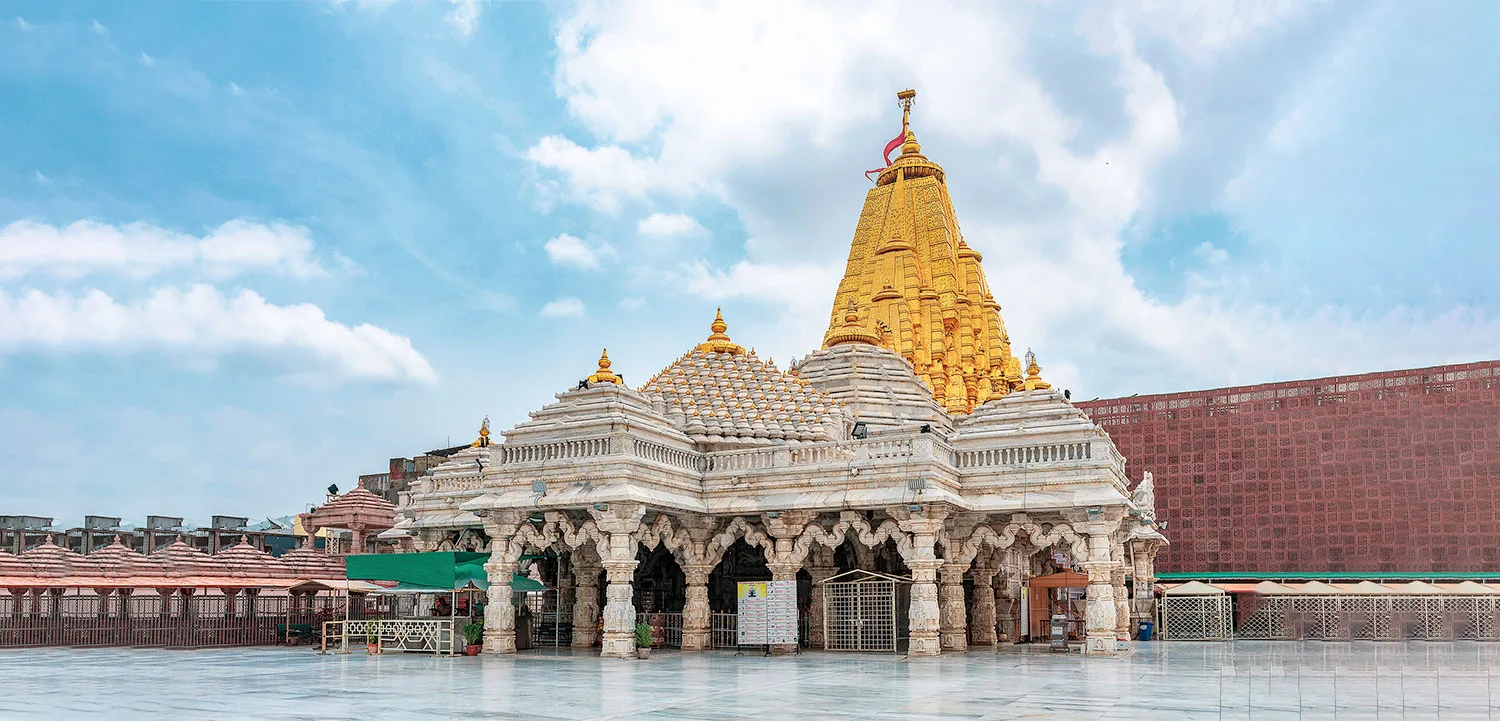
Wake up early for a guided nature walk along the foot of Devgiri Hill. This sacred granite monolith houses an ancient cave shrine dedicated to the goddess Ashapura Mata, where both temple priests and local leopards regularly cross paths without incident. The surrounding vegetation is home to Indian grey hornbills, spotted owlets, and blue rock thrushes.
Mid-Morning: Family Exploration and Farewell
Jawai’s open terrain, absence of closed-season restrictions, and gentle safari pace make a Jawai family wildlife tour an ideal, safe outdoor learning experience for multi-generational travelers and young children alike. Enjoy a relaxed brunch, pack your artisanal keepsakes, and begin your onward road journey toward Udaipur, Jodhpur, or Jaipur.
Essential Practical Advice for Jawai Travelers
Best Time to Visit
The core safari season runs from October through April, when daytime temperatures remain pleasant and migratory birds populate the reservoir. Summer months (May to June) bring warmer days but offer high-visibility leopard tracking around diminishing waterholes.
Packing Essentials
Pack neutral, earth-toned clothing in layers. Mornings in open 4x4 vehicles can be brisk between November and February, requiring a windbreaker and scarf. A camera with a 100–400mm lens, a sturdy pair of binoculars, UV protection, and polarized sunglasses will enhance your daily wildlife sightings across the rocky terrain.