Upgrading or replacing a faucet may seem like a small home improvement project, but it plays a big role in your daily comfort, water efficiency, and overall plumbing health. Whether you’re remodeling your kitchen, updating a bathroom, or fixing a leaky fixture, proper faucet installation ensures long-lasting performance and prevents costly water damage. This comprehensive homeowner’s guide walks you through the importance of faucet installation, the various types of faucets available, the installation process, and when to consider professional faucet installation services.
Why Faucet Installation Matters
A properly installed faucet does more than provide running water. It helps control water flow, reduces leaks, improves hygiene, and enhances the look of your space. Poor installation can lead to dripping faucets, loose handles, low water pressure, and hidden leaks that damage cabinets and flooring over time. Investing time or professional help in correct faucet installation protects your plumbing system and saves money on future repairs.
Types of Faucets You Can Install
Before installation, it’s important to choose the right type of faucet for your sink and usage needs. Common faucet types include:
Single-handle faucets – Easy to use and ideal for kitchens and bathrooms.
Double-handle faucets – Separate hot and cold controls for precise temperature adjustment.
Pull-down or pull-out faucets – Popular in kitchens for added flexibility and convenience.
Wall-mounted faucets – Stylish and space-saving, often used in modern bathrooms.
Touchless faucets – Hands-free operation for better hygiene and water efficiency.
Each faucet type requires specific installation steps and compatibility with your sink’s hole configuration.
Step-by-Step Faucet Installation Process
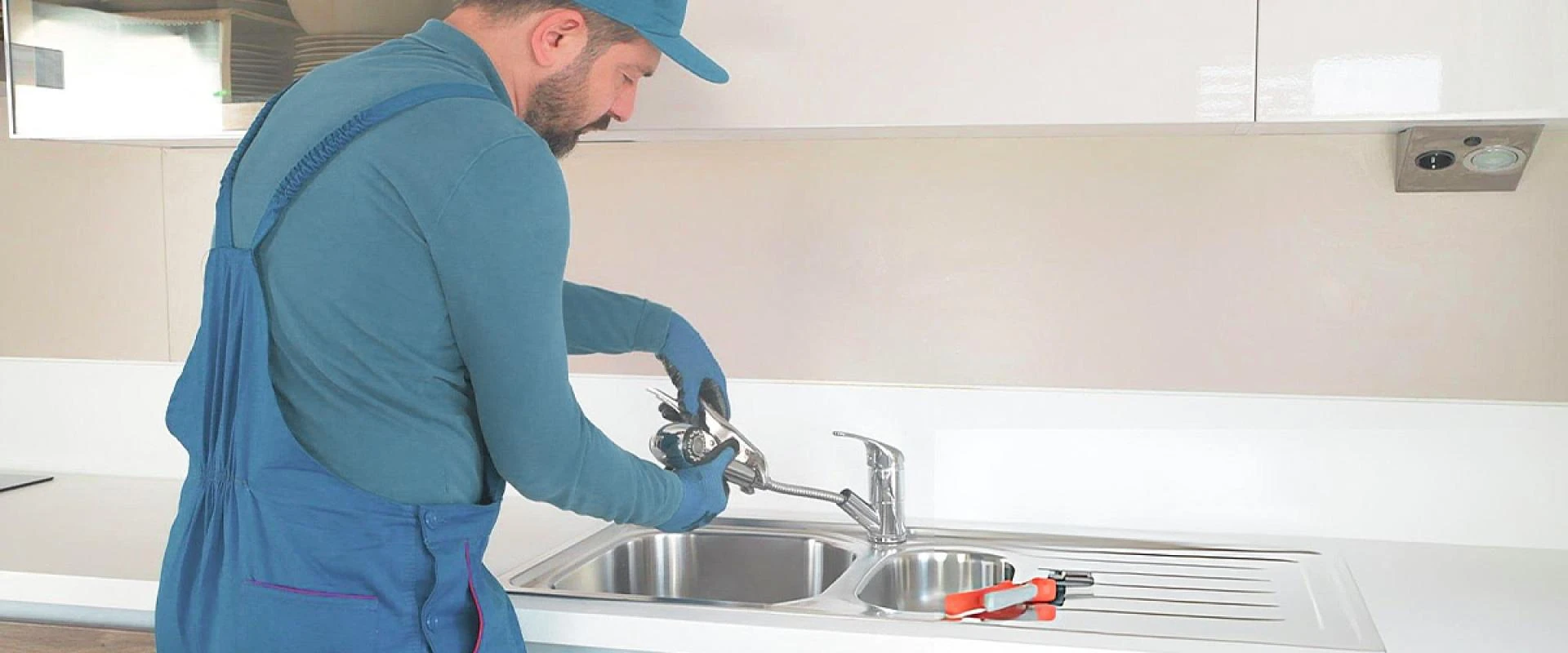
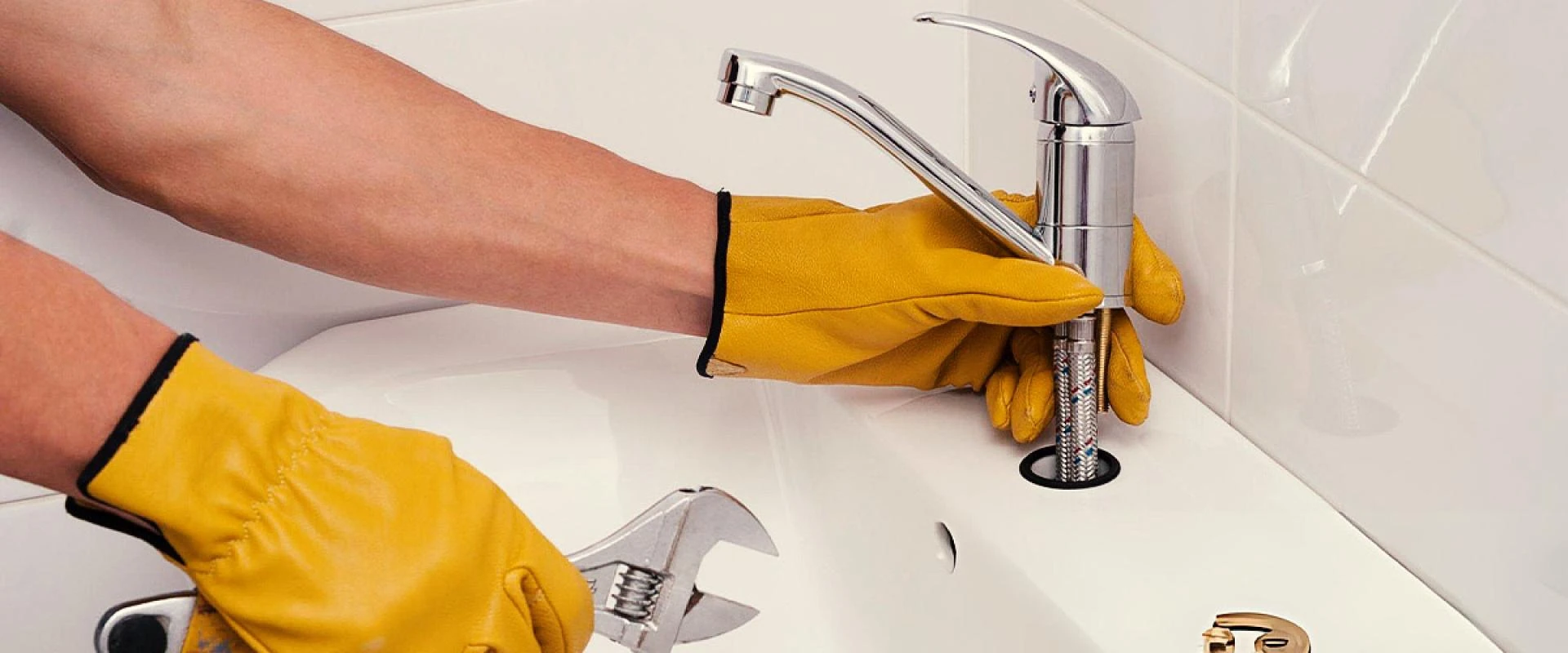
Installing a faucet can be manageable for homeowners with basic tools and plumbing knowledge. Here’s a simplified step-by-step overview:
Turn off the water supply
Shut off the hot and cold water valves under the sink to prevent leaks.
Remove the old faucet
Disconnect supply lines, loosen mounting nuts, and carefully lift out the old faucet.
Clean the sink surface
Remove old sealant, debris, or buildup to ensure a tight, clean fit.
Install the new faucet
Position the faucet correctly, secure it with mounting hardware, and tighten evenly.
Connect water supply lines
Attach hot and cold lines securely, avoiding over-tightening.
Check for leaks
Turn the water back on slowly and inspect all connections.
If everything works smoothly, your faucet installation is complete. If not, professional help may be needed.
Why Hire Professional Faucet Installation Services
While DIY installation is possible, hiring professionals like Parzival plumbing Services ensures the job is done right the first time. Professional faucet installers possess the experience, tools, and knowledge necessary to handle complex setups, prevent leaks, and ensure optimal water pressure. They can also identify hidden plumbing issues, recommend the best faucet options, and provide long-term reliability and peace of mind.
Professional faucet installation is especially recommended for wall-mounted faucets, touchless models, or older plumbing systems where mistakes can lead to expensive repairs.
Final Thoughts
Faucet installation is a simple yet important upgrade that improves functionality, efficiency, and style in your home. Understanding faucet types, installation steps, and the benefits of professional services helps homeowners make informed decisions. Whether you choose DIY or rely on trusted experts like Parzival Plumbing Services, proper faucet installation ensures smooth water flow and long-lasting performance.