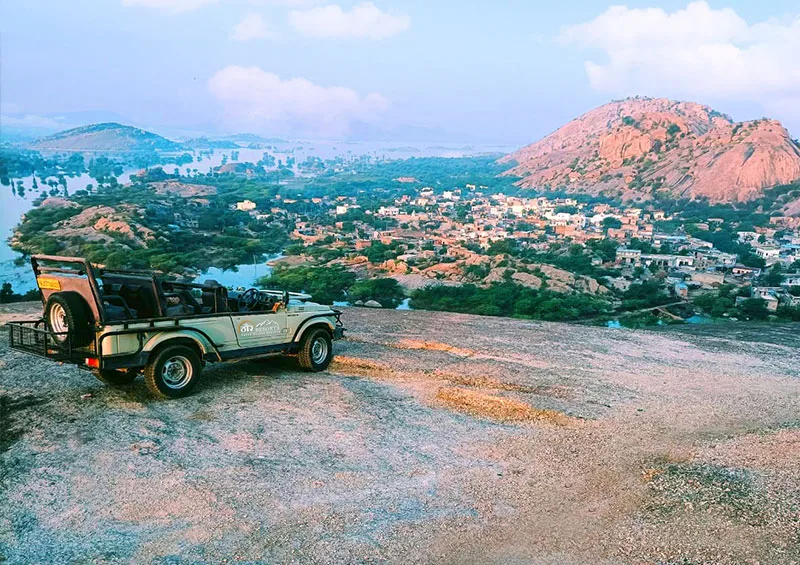
Jawai is an extraordinary landscape located in the Pali district of Rajasthan, characterized by billion-year-old granite monoliths, winding sand beds, and thorn scrub forests. Unlike conventional national parks with dense canopies and restricted core zones, this region offers an open, community-managed sanctuary where human civilization and apex predators share territory. Decades of field documentation, conservation management, and tracking in this rugged terrain reveal a rare ecological balance that makes every excursion an unforgettable learning experience.
The Unique Ecology and Coexistence of Jawai
The granite hills surrounding the Jawai Bandh provide a safe habitat for wild animals. For generations, the indigenous Rabari pastoral community has lived alongside big cats without retaliatory conflict, creating an environment where wildlife thrives naturally. The rocky kopjes feature deep caves that shield animals from midday heat, while the water reservoir sustains a balanced food chain comprising ungulates, birds, and aquatic life. Understanding this unique dynamic is central to appreciating the landscape during an excursion.
Primary Wildlife Species in the Region
While leopards remain the flagship species of the region, the ecosystem supports a rich diversity of mammals, reptiles, and avifauna.
- Indian Leopards (Panthera pardus fusca): The local population has adapted distinct behavior suited to granite terrain, often seen resting on sheer cliffs during dawn and dusk.
- Striped Hyenas (Hyaena hyaena): Nocturnal scavengers that frequent bone yards and dry riverbeds, occasionally spotted during late evening drives.
- Mugger Crocodiles (Crocodylus palustris): The Jawai Bandh hosts a thriving population of marsh crocodiles basking on sandbanks.
- Ungulates and Small Mammals: Blue bulls (nilgai), chinkara, wild boars, jungle cats, and Indian hares serve as the primary prey base.
- Migratory and Resident Avifauna: The wetland draws thousands of migratory species each winter, including bar-headed geese, flamingos, sarus cranes, and various raptors.
Planning Your Safari Itinerary
Maximizing sightings and learning opportunities requires planning according to seasonal cycles, daily tracking routines, and local navigation expertise.
Best Time to Visit
Winter months from October to March present comfortable daytime temperatures and active wildlife movements. Early mornings and late afternoons see animals venturing out onto exposed rock faces for warmth. During the summer months from April to June, high temperatures concentrate animal activity around remaining water bodies, making tracking predictable for dedicated naturalists.
Safari Timings and Formats
Tracking in this granite landscape demands modified open 4x4 vehicles capable of scaling steep rocky inclines. Excursions typically take place twice daily to coincide with peak faunal activity:
- Morning Drive: Begins before sunrise around 5:30 AM or 6:00 AM, focusing on predators returning from night hunts.
- Afternoon Drive: Commences around 4:00 PM, concluding at dusk when animals emerge onto open granite rocks.
Choosing an authentic Jawai Leopard Safari led by certified naturalists ensures ethical field practices, safe viewing distances, and comprehensive interpretations of animal behavior.
Ethical Wildlife Viewing and Field Safety
Maintaining high standards of field ethics protects wildlife behavior and preserves the sensitive habitat. Visitors should follow clear principles during every excursion:
- Maintain silence when approaching rock kopjes to avoid disturbing resting predators.
- Prohibit off-road driving beyond designated village tracks to prevent soil erosion and plant damage.
- Never use spotlighting directly on animals' eyes during twilight or night drives.
- Avoid littering and keep all non-biodegradable waste inside vehicles.
- Respect local Rabari pastoralists, their livestock, and their grazing routes.
What to Pack for the Bush
Preparation enhances comfort across variable weather conditions in the desert landscape:
- Neutral-colored clothing such as khaki, olive, and beige to blend into the scrub landscape.
- Warm layers, windproof jackets, and scarves for chilly open-top morning drives.
- High-performance binoculars (8x42 or 10x42 magnification) for spotting fauna camouflaged against granite.
- Telephoto camera lenses (300mm to 600mm) to capture clear wildlife imagery without approaching too close.
- Broad-brimmed hats, UV protection sunglasses, and reef-safe sunscreen for midday glare.
Where to Stay for an Immersive Experience
Complementing rigorous field excursions with comfortable, ecologically conscious lodging allows travelers to rest while remaining close to nature. Selecting a premier luxury resort in Jawai ensures guests receive personalized natural history insights, regional culinary heritage, and quiet wilderness views after an active day of exploration. Properties committed to local conservation and employment directly support community stewardship across the valley.
Conservation Outlook for the Granite Hills
The future of Jawai rests on maintaining the symbiotic relationship between local villagers, wildlife authorities, and responsible ecotourism operators. Community-led conservation ensures that pastoralists receive fair compensation for livestock losses, safeguarding traditional goodwill toward big cats. By visiting thoughtfully, following ethical guidance, and supporting sustainable wilderness retreats, travelers contribute directly to the longevity of Rajasthan's most unique natural sanctuary.