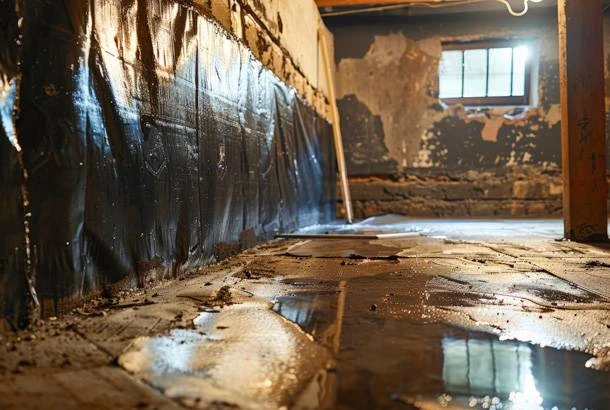
Water intrusion in your basement is more than just an inconvenience—it can lead to structural damage, mold growth, unpleasant odors, and reduced property value. That’s why understanding the basement waterproofing process is essential for homeowners who want long-term protection.
Whether you're dealing with occasional dampness or recurring flooding, professional basement waterproofing follows a systematic approach designed to eliminate moisture problems at their source. Below is a step-by-step breakdown of how the process works.
Step 1: Initial Inspection and Moisture Evaluation
Every basement waterproofing project begins with a detailed inspection. A professional contractor examines the basement to identify visible and hidden signs of water intrusion.
During this stage, they look for:
- Wall and floor cracks
- Water stains or discoloration
- Efflorescence (white powder residue)
- Mold or mildew growth
- Damp or musty odors
- Signs of hydrostatic pressure
Moisture meters may be used to detect water behind walls or beneath flooring. This step ensures the solution addresses the real cause of the problem rather than just masking symptoms.
Step 2: Identifying the Water Source
Effective basement waterproofing depends on identifying where the water is coming from. Water can enter a basement through:
- Foundation wall cracks
- Floor joints
- Porous concrete walls
- Improper exterior grading
- Poor drainage systems
Some basements experience hydrostatic pressure, which occurs when groundwater builds up around the foundation and forces water through small openings. Determining the exact source allows contractors to design a targeted waterproofing solution.
Step 3: Preparing the Basement Area
Before installation begins, the basement must be properly prepared. This step ensures that waterproofing materials adhere correctly and perform effectively over time.
Preparation may include:
- Removing damaged drywall or flooring
- Clearing debris from cracks
- Cleaning mold-affected surfaces
- Drying damp areas
- Creating access along the basement perimeter
Proper preparation is crucial for long-term basement waterproofing success.
Step 4: Repairing Foundation Cracks
Cracks are one of the most common entry points for water. Sealing them is a key step in the basement waterproofing process.
Depending on the crack type and severity, professionals may use:
- Epoxy injections for structural cracks
- Polyurethane foam injections for active leaks
- Hydraulic cement for minor seepage
These materials expand and bond with the concrete, creating a watertight seal that prevents further leakage.
Step 5: Installing an Interior Drainage System
If water intrusion is significant, an interior drainage system is often recommended as part of basement waterproofing.
The process typically involves:
- Cutting a trench along the basement perimeter
- Installing a perforated drain pipe
- Surrounding the pipe with gravel for filtration
- Connecting the system to a sump pump
- Restoring the concrete floor
This system collects groundwater before it reaches the basement floor and redirects it safely away from the home.
Step 6: Sump Pump Installation
For homes prone to flooding, a sump pump is a critical component of basement waterproofing. The sump pump collects water from the drainage system and pumps it away from the foundation.
Many homeowners also install battery backup systems to ensure protection during power outages. Proper installation and testing ensure the system operates efficiently when needed most.
Step 7: Applying Waterproof Coatings or Barriers
In some cases, waterproof coatings or membranes are applied to basement walls to prevent moisture penetration.
Common options include:
- Waterproof sealants
- Liquid rubber coatings
- Vapor barriers
- Cementitious waterproof coatings
While coatings alone may not solve major water problems, they add an extra layer of protection when combined with drainage systems.
Step 8: Exterior Waterproofing
For severe water issues, exterior basement waterproofing may be necessary. This method prevents water from entering the foundation walls altogether.
The process can involve:
- Excavating soil around the foundation
- Cleaning and repairing exterior wall surfaces
- Applying a waterproof membrane
- Installing exterior drainage boards
- Improving grading and drainage
Exterior basement waterproofing offers strong long-term protection but typically requires more labor and time than interior solutions.
Step 9: Final Inspection and Testing
Once the basement waterproofing system is installed, contractors conduct a final inspection. This ensures:
- All cracks are properly sealed
- Drainage systems function correctly
- The sump pump operates efficiently
- The basement is clean and dry
Some companies perform water testing to confirm the system’s effectiveness before completing the project.
How Long Does Basement Waterproofing Take?
The duration of basement waterproofing depends on the size of the basement and the chosen method.
- Interior systems typically take 1–3 days
- Exterior systems may take 3–7 days
Timelines vary based on the severity of the issue and weather conditions.
Why Professional Basement Waterproofing Is Important
DIY solutions may provide temporary relief, but they rarely address underlying drainage problems. Professional basement waterproofing offers:
- Long-term moisture control
- Mold and mildew prevention
- Protection against structural damage
- Improved indoor air quality
- Increased property value
Investing in professional basement waterproofing can save homeowners from expensive repairs in the future
Final Thoughts
The basement waterproofing process involves much more than applying a simple sealant. From detailed inspections and crack repairs to drainage installation and system testing, each step plays a vital role in protecting your home from water damage.
If you notice damp walls, musty odors, or pooling water, addressing the problem early with proper basement waterproofing can prevent long-term damage and provide peace of mind for years to come.