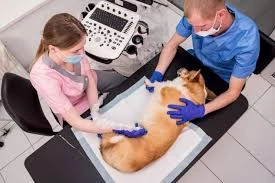
When it comes to modern veterinary care, early and accurate diagnosis can make a life-changing difference for animals. One of the most trusted imaging tools in veterinary medicine today is Ultrasound For Pets. This non-invasive procedure helps veterinarians examine internal organs in real time, offering clarity without the need for surgery or radiation exposure.
Pet owners often feel anxious when they hear their dog or cat needs imaging tests. However, understanding how Ultrasound For Pets works and why it is recommended can ease those concerns. In this detailed guide, we will explore the benefits, procedure, safety aspects, and why trusted clinics like South West Animal Hospital rely on this technology for advanced care.
What Is Ultrasound For Pets and How Does It Work?
Ultrasound For Pets is a diagnostic imaging technique that uses high-frequency sound waves to create images of internal organs. Unlike X-rays, ultrasound does not use radiation. Instead, a handheld probe called a transducer sends sound waves into the body. These waves bounce off tissues and organs, producing real-time images on a monitor.
This procedure is commonly used to examine the liver, kidneys, bladder, spleen, heart, and reproductive organs. Veterinarians can also evaluate fluid buildup, detect tumors, and monitor pregnancies using Ultrasound For Pets.
The technology behind pet ultrasound allows vets to see soft tissues clearly, something that traditional radiographs may not reveal in detail. Because the images are live, veterinarians can observe organ movement and blood flow instantly, making it an essential diagnostic tool.
When Do Veterinarians Recommend Ultrasound For Pets?
Veterinarians recommend Ultrasound For Pets in various medical situations. If a pet shows unexplained vomiting, weight loss, abdominal pain, or changes in urination, an ultrasound may help identify the cause.
In emergency cases, Ultrasound For Pets is often used to detect internal bleeding or organ damage. It is also valuable in diagnosing heart conditions, identifying masses, and guiding needle biopsies safely.
In the third paragraph of this section, it is important to understand that a pet ultrasound is particularly helpful when blood tests and physical exams do not provide clear answers. It offers a deeper look into what might be affecting your pet’s health without invasive procedures.
Pregnancy confirmation is another common reason for recommending Ultrasound For Pets. Breeders and pet owners can monitor fetal development safely through this imaging method.
Benefits of Choosing Ultrasound For Pets for Diagnosis
One of the biggest advantages of Ultrasound For Pets is its safety. Since it does not involve radiation, it can be performed multiple times without long-term risks. This makes it ideal for monitoring chronic conditions.
Another benefit of Ultrasound For Pets is real-time imaging. Veterinarians can evaluate organ function immediately and make faster treatment decisions. This quick diagnosis can be critical in serious health situations.
The procedure is generally painless. Most pets tolerate Ultrasound For Pets well, and sedation is only required in certain cases where the animal is highly anxious or uncomfortable.
Cost-effectiveness is another important factor. Compared to more advanced imaging like CT scans or MRI, Ultrasound For Pets is often more affordable while still providing detailed internal views.
The Procedure of Ultrasound For Pets Explained
Understanding what happens during Ultrasound For Pets can reduce stress for pet owners. The procedure typically begins with shaving a small area of fur to ensure clear contact between the skin and the probe.
A special gel is applied to help transmit sound waves efficiently. During Ultrasound For Pets, the veterinarian gently moves the transducer over the shaved area to capture images of internal organs.
The entire session usually lasts between 20 and 45 minutes. In many cases, pets remain awake during Ultrasound For Pets, lying comfortably on a padded table. If necessary, mild sedation may be used to keep the pet calm and still.
Results are often reviewed immediately. Because Ultrasound For Pets provides real-time images, veterinarians can discuss findings with owners on the same day.
Conditions Diagnosed Through Ultrasound For Pets
Many medical conditions can be identified using Ultrasound For Pets. Abdominal tumors, cysts, and organ enlargement are commonly detected with this imaging method.
Heart disease is another area where Ultrasound For Pets plays a critical role. Cardiac ultrasound, also known as echocardiography, helps assess heart structure and function.
Bladder stones and kidney disorders are frequently diagnosed through Ultrasound For Pets. The imaging allows veterinarians to measure stone size and evaluate the severity of organ damage.
Fluid accumulation in the chest or abdomen can also be confirmed quickly using Ultrasound For Pets, enabling timely treatment that may save a pet’s life.
Is Ultrasound For Pets Safe for All Animals?
Safety is one of the main reasons veterinarians widely use Ultrasound For Pets. Because it relies on sound waves rather than radiation, the risk level is extremely low.
Puppies, kittens, senior pets, and even pregnant animals can safely undergo Ultrasound For Pets. There are no known long-term side effects when performed by trained professionals.
In rare situations, sedation may pose minor risks, but these are carefully evaluated before proceeding with Ultrasound For Pets. Veterinary teams monitor pets closely to ensure comfort and safety throughout the procedure.
Overall, Ultrasound For Pets is considered one of the safest diagnostic imaging options available in veterinary medicine today.
Why Choose South West Animal Hospital for Ultrasound For Pets
Selecting the right veterinary clinic is essential when your pet needs diagnostic imaging. South West Animal Hospital is known for providing advanced veterinary care with compassionate service.
Their experienced veterinary team uses modern equipment to perform Ultrasound For Pets with precision and care. By combining clinical expertise with high-quality imaging technology, they ensure accurate diagnosis and effective treatment planning.
At South West Animal Hospital, pet owners receive clear explanations and detailed reports after Ultrasound For Pets procedures. This transparency helps families make informed decisions about their pet’s health.
The clinic’s commitment to animal well-being makes it a trusted destination for those seeking reliable Ultrasound For Pets services.
How to Prepare Your Pet for Ultrasound For Pets
Preparation for Ultrasound For Pets is usually simple. Your veterinarian may ask you to withhold food for several hours before the appointment to improve image clarity.
Ensuring your pet is calm and comfortable can also help the procedure go smoothly. Bringing a familiar blanket may reduce anxiety before Ultrasound For Pets begins.
Follow all pre-appointment instructions provided by your veterinary clinic. Proper preparation ensures that Ultrasound For Pets delivers accurate and reliable results.
After the procedure, most pets can return home the same day. Recovery time is minimal, especially when Ultrasound For Pets is performed without sedation.
Frequently Asked Questions About Ultrasound For Pets
How long does Ultrasound For Pets take?
The procedure typically lasts between 20 and 45 minutes, depending on the area being examined and the complexity of the case.
Is Ultrasound For Pets painful?
No, Ultrasound For Pets is generally painless. Some pets may feel mild pressure from the probe, but discomfort is minimal.
Do pets need anesthesia for Ultrasound For Pets?
Most pets do not require anesthesia. Mild sedation may be used if a pet is very anxious or unable to remain still.
Can Ultrasound For Pets detect cancer?
Yes, Ultrasound For Pets can help identify abnormal masses or tumors. However, further testing such as biopsy may be required for confirmation.
How much does Ultrasound For Pets cost?
The cost varies depending on the clinic and the complexity of the examination. It is generally more affordable than CT or MRI scans.
Final Thoughts on Ultrasound For Pets
Modern veterinary medicine continues to advance, and Ultrasound For Pets remains one of the most valuable diagnostic tools available. Its safety, effectiveness, and non-invasive nature make it a preferred choice for veterinarians and pet owners alike.
Whether diagnosing abdominal issues, monitoring pregnancy, or evaluating heart conditions, Ultrasound For Pets provides clear and immediate insights into your pet’s health. Trusted providers like South West Animal Hospital ensure that pets receive high-quality care using advanced imaging technology.