
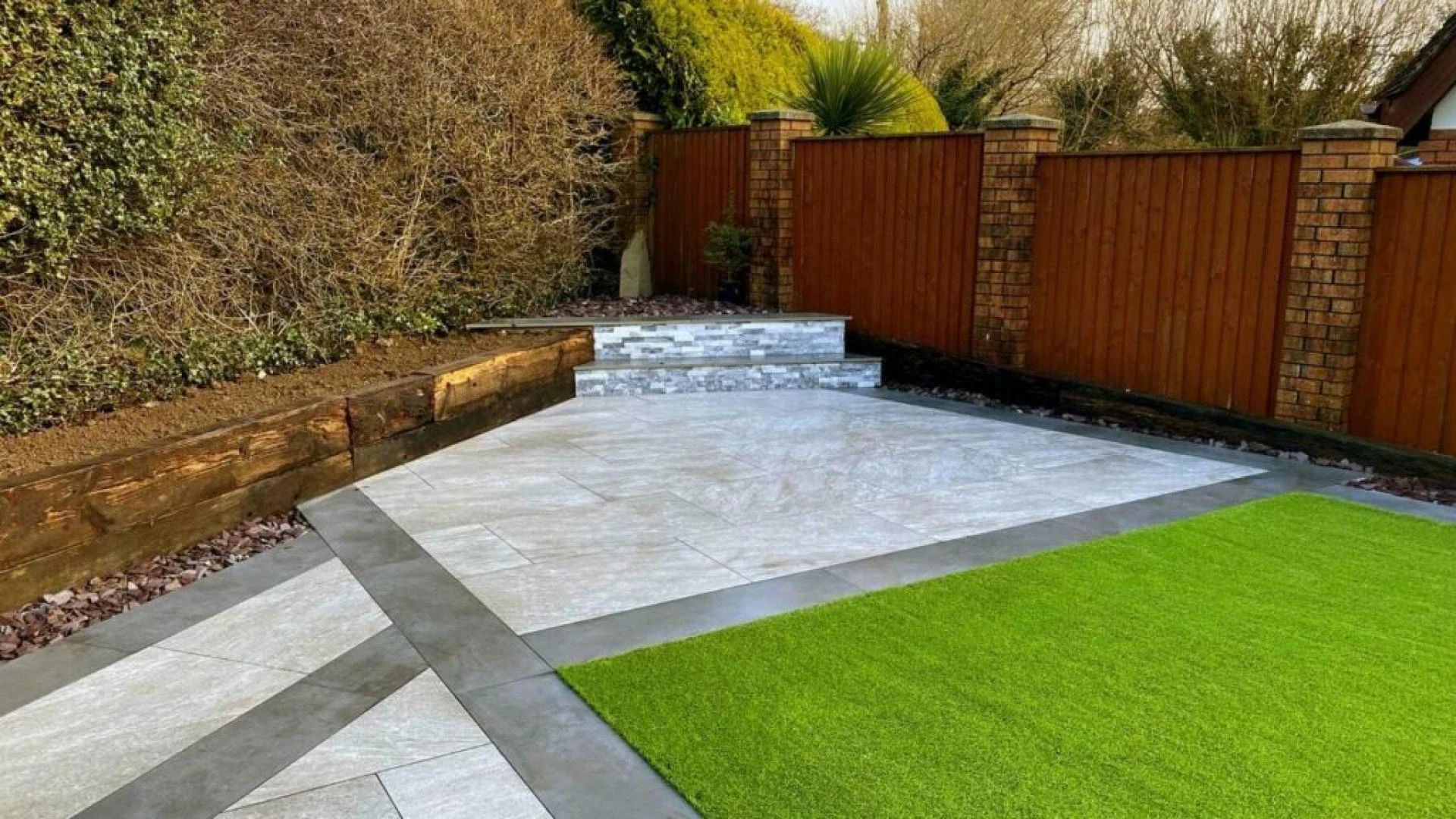
Outdoor spaces have become an essential extension of modern homes, and choosing the right tiles is the first step toward creating a long-lasting, beautiful, and weather-ready setting. Whether you are transforming your patio, balcony, poolside, pathway, or garden sitting area, proper planning and installation determine how well your tiles perform over the years. Homeowners who invest in the best outdoor tiles in London aim to achieve not only visual appeal but also durability that withstands rain, frost, moisture, and temperature fluctuations.
This guide takes you through the complete journey of outdoor tile installation, explaining what to choose, how to plan, when to install, where to apply specific tile types, and why each step matters. With the right preparation and method, outdoor tiles can last decades without cracking, fading, or loosening.
What Makes Outdoor Tile Installation Different?
Installing tiles outdoors is not the same as doing it indoors. Exterior areas are exposed to unpredictable weather, heavy foot traffic, direct UV rays, moisture fluctuations, and freeze-thaw cycles. This means the tiles, adhesives, grout, and installation method must be compatible with harsh environments. Outdoor porcelain tiles and other weatherproof options are specifically engineered with low water-absorption rates and anti-slip surfaces to maintain strength and stability even during extreme temperature variations.
The right foundation is essential because even strong tiles can fail if installed over weak substrate or incorrect bedding mortar. Outdoor spaces also require proper drainage, expansion joints, and durable sealing to prevent water penetration and frost-related damage. Understanding these differences helps homeowners avoid the most common installation issues such as tile lifting, cracking, or staining.
Why Choosing the Right Outdoor Tiles Matters Before Installation
Outdoor surfaces must not only look appealing but also perform reliably. The process begins with selecting the right material, as not all tiles are suitable for external use. The most recommended options include outdoor porcelain tiles, frost-resistant ceramic tiles, natural stone tiles like granite or slate, and reinforced paving slabs. Each tile type reacts differently to sunlight, moisture, and winter frost, so the wrong choice can lead to early damage.
Porcelain is the most popular because it combines durability, slip resistance, and low porosity, making it ideal for patios, balconies, and garden paths. Exterior floor tiles should be rated for freeze-thaw resistance, and you must verify the R-rating (slip resistance) depending on where the tiles will be installed. Choosing the proper tile is the foundation of a successful installation process.
Where to Use Outdoor Tiles for Maximum Design and Stability
Every outdoor area has a different purpose, and selecting tiles based on placement ensures longevity and comfort. Patios and terraces require anti-slip porcelain tiles that withstand heavy furniture and movement. Balconies need lighter tiles and excellent drainage systems. Garden pathways benefit from textured, thicker tiles to provide stability on uneven surfaces. Poolside areas require specifically designed tiles that offer superior slip resistance when wet.
This location-based approach ensures that your outdoor tiles complement both function and style. In the middle of this planning stage, many homeowners refer to tile collections and showroom guides like Top 10 Tile Stores in London You Should Visit in 2026, which help compare materials and choose tiles that match the purpose of each outdoor zone.
When Is the Right Time to Install Outdoor Tiles?
Timing matters because weather affects installation success. Professional installers recommend choosing a dry season with moderate temperatures. Installing tiles during heavy rains or extreme cold interferes with adhesive curing, causing weak bonding or future tile shifting. Early summer or late spring offers the ideal conditions for outdoor tile installation projects.
Temperature stability also ensures that adhesives and grout set properly. Planning your installation schedule increases the lifespan of your outdoor flooring and reduces maintenance requirements.
How to Prepare the Surface Before Installation
Surface preparation is one of the most important steps in outdoor tile installation. The ground must be stable, level, and capable of supporting tile weight. For patios or pathways laid on the ground, a solid compacted base layer is essential, followed by a cement-sand mix or concrete slab. For balconies and terraces, waterproofing and drainage layers must be checked for functionality.
Cleaning the installation area removes dust, weeds, previous coatings, and debris. Repairs are needed if the substrate has cracks or uneven patches because these imperfections eventually reflect through the tiles. A well-prepared surface ensures tiles remain firm, safe, and long-lasting.
How to Select the Right Adhesives and Grout for Outdoor Use
Outdoor installation requires stronger adhesives than indoor spaces because external tiles face constant weather exposure. Flexible polymer-modified adhesives are used to create a strong bond that withstands temperature shifts. The adhesive should be suitable for porcelain tiles or heavy stone tiles as required.
Outdoor grout must also be waterproof, UV-resistant, and flexible. Epoxy-based or high-performance cementitious grouts prevent water absorption and cracking. Properly chosen adhesive and grout form a protective link between tiles and substrate, keeping surfaces stable even during freeze-thaw cycles.
Step-by-Step Outdoor Tile Installation Process
The installation begins with spreading adhesive using a notched trowel and laying tiles with consistent spacing. Leveling clips can help maintain an even finish across the surface. Outdoor tiles must be tapped gently to ensure proper bonding, and expansion joints are added to prevent cracking during temperature changes.
After tiles are set, grout is applied, followed by thorough cleaning. Full curing may take several days, depending on the weather. This careful process ensures that tiles stick firmly, maintain stability, and resist long-term environmental stress.
Why Drainage and Slope Design Matter in Outdoor Installation
One of the main reasons outdoor tiles fail is poor water drainage. Standing water seeps into grout and adhesives, freezes during winter, and expands—leading to tile lifting or cracking. Creating a subtle slope allows rainwater to flow away from the tiled surface.
Drainage systems are essential for balconies, patios, and terraces to avoid water pooling. Designing slopes properly prevents costly repairs and improves the overall performance of your outdoor flooring.
Where Maintenance Fits into the Installation Journey
Even well-installed tiles require routine maintenance. Outdoor porcelain tiles are easy to clean and usually need only mild detergent and water. Sealing may be required for natural stone tiles. Regular sweeping prevents debris buildup, while occasional washes maintain color vibrancy.
Proper maintenance preserves both the beauty and performance of outdoor flooring, ensuring your installation efforts deliver long-term value.
Why Professional Installation Is Better Than DIY
Although DIY installation appears cost-effective, outdoor tiles require precision, specialized tools, and technical knowledge. Professional installers understand drainage layout, adhesive selection, substrate preparation, and weather considerations. A single mistake can lead to future damage that costs far more to fix.
Investing in expert installation ensures perfect alignment, strong bonding, and weather-resistant performance, especially for large patios, heavy tiles, or raised outdoor flooring systems.
Where to Get High-Quality Outdoor Tiles
Homeowners often explore a variety of tile shops, online marketplaces, and design inspiration platforms before choosing the right tile supplier. With countless options available today, the ideal tiles should combine durability, slip resistance, and long-term weather performance.
As you evaluate options, reputable shopping sources help you compare materials before installation. This is where choosing the tile store in London 2026 becomes essential in guiding your design choices.
Final Thoughts
Outdoor tile installation is a detailed process that requires careful planning, the right materials, and skilled execution. From choosing frost-resistant outdoor porcelain tiles to preparing the substrate, selecting strong adhesives, designing proper drainage, and ensuring seasonal maintenance, every step contributes to the durability and beauty of your outdoor space. Homeowners investing in long-term exterior flooring often opt for premium outdoor porcelain tiles in the UK, ensuring resilience against rain, frost, moisture, and daily wear.
A well-installed outdoor tile surface not only enhances your home’s appeal but also adds functionality, comfort, and long-term value.