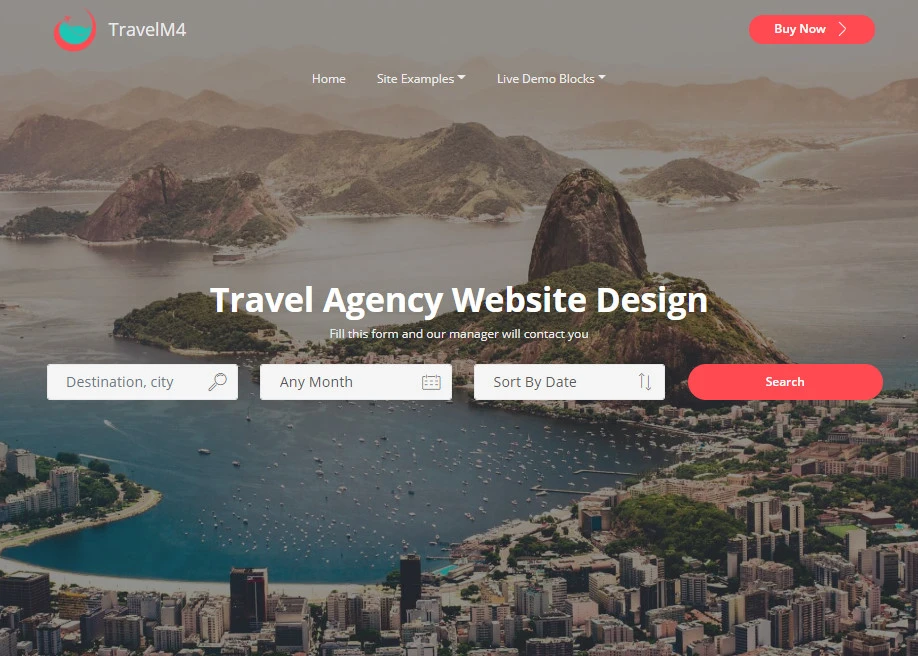
In the modern tourism landscape, a website is no longer just a digital brochure; it is the primary engine for conversion, trust, and global reach. For businesses aiming to capture the essence of wanderlust while maintaining technical precision, partnering with an experienced Web design Company in Udaipur ensures that your brand identity resonates with both local charm and international standards. A successful travel site must balance breathtaking imagery with a seamless booking engine, creating a user journey that feels as effortless as a well-planned vacation. This guide explores the foundational pillars of high-performance travel site design, focusing on the intersection of aesthetic appeal and functional excellence.
Understanding the Travel Consumer Journey
The journey of a traveler begins long before they pack a suitcase; it starts with a search query and a dream. To convert a casual browser into a committed traveler, your website must address three distinct phases: inspiration, research, and validation. During the inspiration phase, high-resolution hero videos and immersive galleries are essential. However, once the user moves into the research phase, the architecture of the site must provide clear information regarding itineraries, pricing transparency, and seasonal availability. Expertise in this sector involves knowing exactly where to place "Book Now" buttons and how to simplify complex navigation menus so the user never feels overwhelmed by choice.
Essential Features of High-Converting Travel Sites
A travel agency site lives or dies by its utility. Beyond aesthetics, several core features are non-negotiable for staying competitive. Mobile responsiveness is the most critical factor, as a significant percentage of travelers browse and book on-the-go. Furthermore, integration with secure payment gateways and real-time inventory management systems ensures that users can complete transactions without friction. When looking for specialized Travel Web Design Services in India, agencies often prioritize custom-built modules that allow for easy package updates and dynamic pricing based on seasonal demand. These technical elements form the backbone of a site that doesn't just look good but actually generates revenue.
Establishing Trust through E-E-A-T
Google’s emphasis on Experience, Expertise, Authoritativeness, and Trustworthiness (E-E-A-T) is particularly relevant in the travel industry where financial transactions and personal safety are involved. To demonstrate expertise, your content should include detailed destination guides written by people who have actually been there. To build trustworthiness, prominent displays of customer reviews, industry certifications, and clear "About Us" pages are vital. Integrating a robust digital marketing service in udaipur can help amplify this trust through strategic social proof, local SEO optimization, and authoritative backlink profiles that signal to search engines that your agency is a leader in the field.
User Experience and Navigation Architecture
The structure of your website should mirror the logic of a traveler’s mind. Grouping tours by destination, activity type, or budget allows users to filter results quickly. Breadcrumb navigation is a small but powerful tool that helps users keep track of their location within the site, especially when exploring deep layers of regional tour pages. Fast loading speeds are equally vital; a one-second delay in page load time can lead to a significant drop in conversions. Optimizing images without losing quality and utilizing Content Delivery Networks (CDNs) are standard practices that Yug Technology employs to ensure that even the most media-heavy travel sites remain lightning-fast.
Visual Storytelling and Content Strategy
Travel is an emotional purchase. Your website should use storytelling to evoke the feelings associated with a destination. This involves more than just stock photos; it requires authentic imagery, video testimonials from happy clients, and blog content that solves real problems for travelers, such as "What to pack for a desert safari" or "Navigating visa requirements." By providing value through content, you position your agency as an authority. This strategy not only improves your search engine rankings but also keeps users on your site longer, increasing the likelihood of a booking.
Technical SEO for Travel Agencies
To ensure your beautifully designed site is actually seen, technical SEO must be integrated into the design phase. This includes implementing schema markup for tour packages, which allows search engines to display price, duration, and ratings directly in the search results. Internal linking structures should be designed to pass "link juice" to your most profitable tour pages. Additionally, ensuring that your site is HTTPS secure and has a clean, crawlable URL structure is fundamental. A site that is technically sound provides a better user experience and is rewarded with higher visibility in organic search results.
The Role of Customization and Personalization
The future of travel web design lies in personalization. Modern sites often use cookies and AI-driven data to show users content relevant to their previous searches. For instance, if a user frequently looks at luxury treks, the homepage could dynamically feature premium mountain expeditions. Customization also extends to the back-end, where agency owners need an intuitive Content Management System (CMS) to manage bookings, respond to inquiries, and update travel alerts in real-time. Providing a personalized experience makes the user feel valued and significantly increases brand loyalty.
Converting Visitors into Loyal Customers
The final step in the guide is the transition from a visitor to a lead. Effective call-to-actions (CTAs) should be persuasive but not intrusive. Use contrasting colors for your booking buttons to make them pop against the background. Incorporating live chat features or WhatsApp integration allows for immediate communication, which is often the deciding factor for a traveler who has a quick question before paying. By combining professional design, strategic marketing, and a user-first philosophy, Yug Technology helps travel agencies build a digital presence that stands the test of time and thrives in a crowded marketplace.