In an age where property security is becoming increasingly sophisticated, the idea of building a bunker is no longer reserved for extreme scenarios or luxury estates. Today, bunker construction is gaining traction among homeowners, developers, and architects who want to combine safety, privacy, and long-term resilience into their designs.
But building a bunker isn’t just about pouring concrete underground. It’s a carefully planned process that blends engineering precision with modern architectural thinking. Whether you’re considering a discreet safe room or a fully equipped underground shelter, understanding the essentials can help you make informed, practical decisions.
Why Bunkers Are Making a Comeback
The renewed interest in bunkers stems from a mix of concerns—ranging from environmental uncertainties to personal security. However, modern bunkers are far more advanced than their Cold War predecessors. They are now designed with comfort, sustainability, and integration in mind.
Instead of being dark, claustrophobic spaces, today’s bunkers can include:
- Climate-controlled environments
- Smart ventilation systems
- Reinforced yet aesthetically integrated entrances
- Multi-purpose layouts for living, storage, or emergency use
This evolution reflects a broader shift in construction—where safety features are seamlessly embedded into the overall design rather than treated as afterthoughts.
The Foundations of Effective Bunker Construction
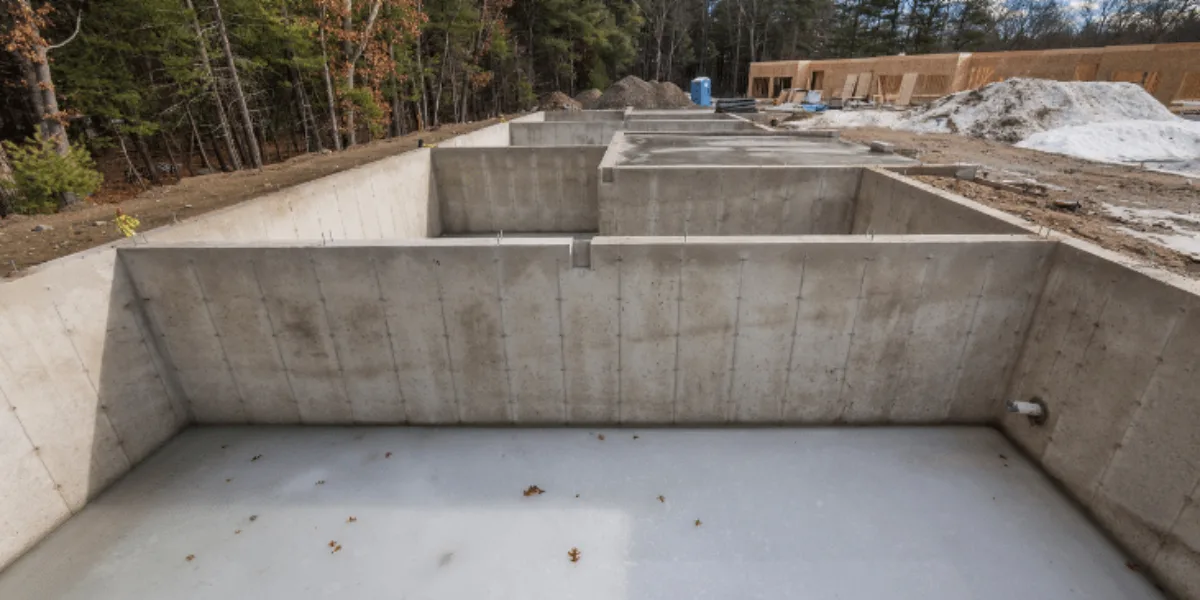
At its core, bunker construction is about strength, durability, and environmental resistance. The process begins with site analysis. Soil type, water table levels, and load-bearing capacity all play a crucial role in determining the design.
This is where experienced structural engineers become invaluable. Their role goes beyond calculations—they assess how external pressures like soil movement, moisture, and even seismic activity might affect the structure over time.
Key structural considerations include:
- Reinforced concrete thickness
- Waterproofing systems
- Drainage and flood protection
- Load distribution and stress points
Without proper planning, even the most robust-looking bunker can face long-term issues.
Choosing the Right Location
Location is one of the most overlooked aspects of bunker design. While it might seem logical to place a bunker directly beneath a property, this isn’t always the best option.
Factors to consider:
- Accessibility during emergencies
- Distance from tree roots and underground utilities
- Natural drainage patterns
- Privacy and concealment
In some cases, a slightly offset underground structure offers better protection and easier construction. Consulting with structural engineers ensures that the chosen location aligns with both safety and practicality.
Modern Materials and Construction Techniques
Advancements in construction materials have significantly improved bunker performance. High-density concrete, steel reinforcement, and composite materials are now commonly used to enhance strength and longevity.
Some modern techniques include:
- Pre-cast modular bunker units for faster installation
- Spray-applied waterproof membranes
- Shock-absorbing structural layers
- Thermal insulation systems for energy efficiency
These innovations not only improve durability but also reduce construction time and maintenance needs.
Ventilation, Power, and Sustainability
A bunker is only as functional as its internal systems. Ventilation, in particular, is critical. Modern systems are designed to filter air, regulate humidity, and maintain a comfortable environment even during extended use.
Other essential systems include:
- Backup power sources such as solar or battery storage
- Water supply and filtration units
- Waste management solutions
- Communication systems
The goal is to create a self-sufficient space that can operate independently if needed.
Balancing Security with Design Aesthetics
One of the biggest challenges in bunker construction is integrating it into a property without compromising aesthetics. Today’s homeowners and developers want security solutions that don’t disrupt the visual appeal of their spaces.
This is where thoughtful design comes into play. Hidden entrances, landscaped covers, and multi-functional spaces allow bunkers to blend seamlessly into their surroundings.
Professionals like Cullinan Construction Consultants often emphasize this balance—ensuring that structural integrity supports, rather than limits, architectural vision. You can explore their approach here: cullinan-uk.com.
Common Mistakes to Avoid
Even with the best intentions, bunker projects can run into problems if certain pitfalls aren’t addressed early.
Some common mistakes include:
- Underestimating soil and water conditions
- Skipping professional input from structural engineers
- Overcomplicating internal systems without proper planning
- Ignoring long-term maintenance requirements
Avoiding these issues can save both time and significant costs in the long run.
FAQs
1. How deep should a bunker be built?
The depth depends on soil conditions, purpose, and local regulations. Most residential bunkers range between 8 to 20 feet underground for optimal protection and stability.
2. Is bunker construction legal everywhere?
Regulations vary by location. It’s essential to check local building codes and obtain necessary permits before starting any bunker construction project.
3. How much does it cost to build a modern bunker?
Costs can vary widely depending on size, materials, and features. A basic bunker may be relatively affordable, while high-end, fully equipped designs can be a significant investment.
4. Can a bunker be added to an existing property?
Yes, many bunkers are retrofitted into existing properties. However, this requires careful planning and input from experienced structural engineers to ensure safety and feasibility.
5. How do you maintain a bunker over time?
Regular inspections of structural integrity, ventilation systems, and waterproofing are key. Preventive maintenance ensures the bunker remains functional when it’s needed most.
Final Thoughts
Bunkers are no longer just emergency shelters—they’re evolving into smart, integrated security solutions for modern properties. With the right approach, bunker construction can enhance both safety and property value without compromising design.
The key lies in combining innovative construction methods with expert insight. By working with skilled professionals and embracing modern techniques, it’s possible to create a space that is not only secure but also practical, comfortable, and future-ready.
In a world where preparedness is increasingly valued, a well-designed bunker isn’t just an investment in safety—it’s an investment in peace of mind.