
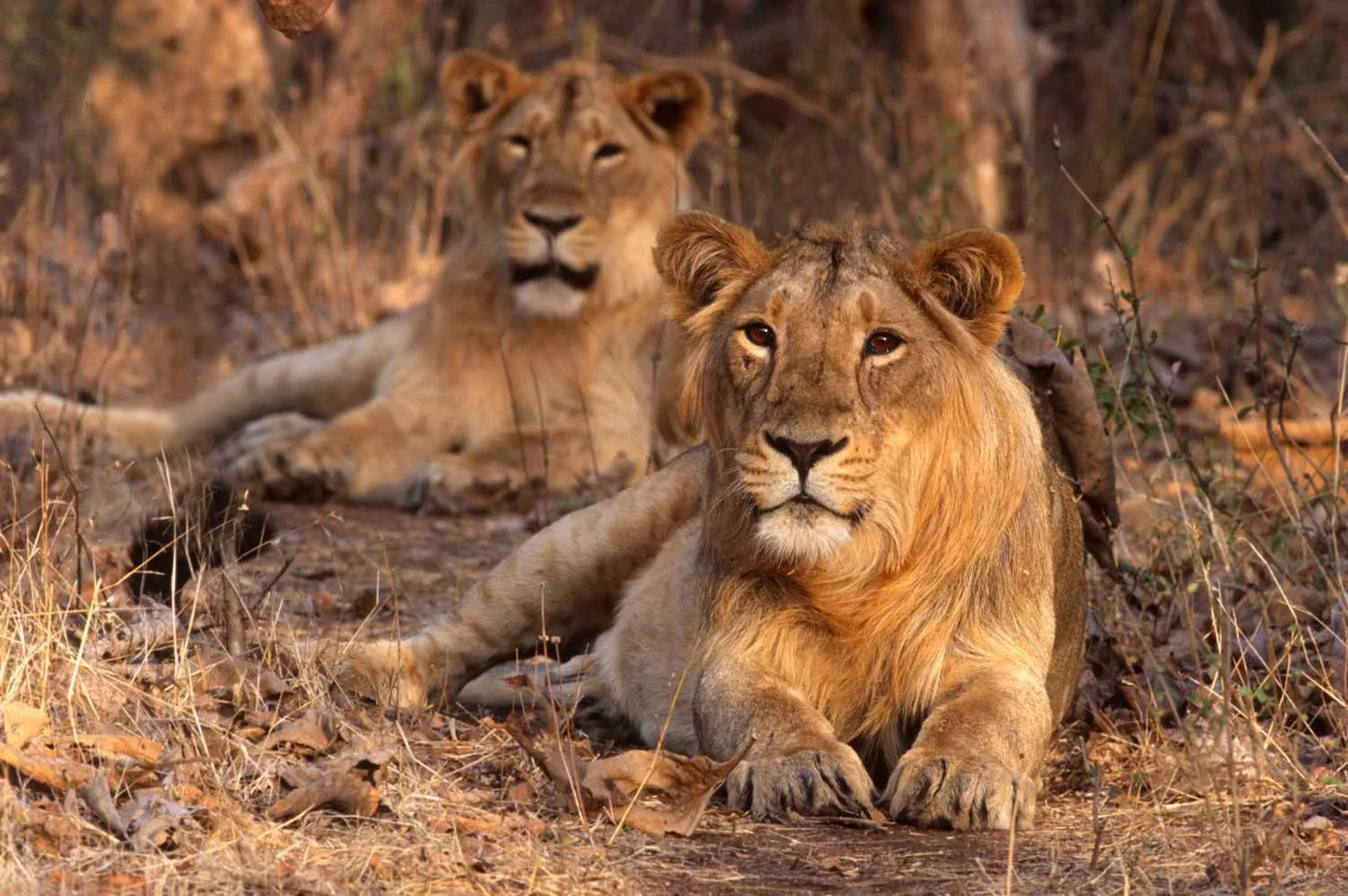
Gir National Park stands as the sole natural sanctuary of the Asiatic lion (Panthera leo persica). Spanning across Junagadh, Gir Somnath, and Amreli districts in Gujarat, this rugged sanctuary of dry deciduous teak forests, rocky hills, and perennial rivers offers an encounter with one of the world's most successful wildlife conservation stories. Planning a comprehensive itinerary ensures you experience not only the apex predators of the deep forest but also the rich tapestry of avifauna, indigenous pastoral communities, and historic monuments that define the region.
Day 1: Arrival, Orientation, and the Devalia Safari
Reaching Sasan Gir typically involves traveling by road from Rajkot, Keshod, or Ahmedabad. After checking into your forest resort or eco-lodge and having a light lunch, begin your wilderness immersion at the Devalia Safari Park, also known as the Gir Interpretation Zone.
Devalia is an enclosed sanctuary designed to reduce visitor pressure on the core jungle while guaranteeing sightings of resident wildlife. A 45-minute safari aboard a forest department minibus or authorized gypsy presents clear views of Asiatic lions, leopards, spotted deer (chital), sambar, and blackbucks roaming in a fenced recreation of their natural habitat.
Spend the late afternoon visiting the nearby Gir Interpretation Centre to learn about the park's history, the decline of the lion population under princely hunting pressures, and the subsequent recovery efforts initiated by the Nawab of Junagadh and carried forward by the Gujarat Forest Department. Conclude your evening with an authentic Kathiyawadi dinner featuring bajra rotla, sev tameta nu shaak, and fresh garlic chutney around a campfire at your lodge.
Day 2: Deep Jungle Safaris and Cultural Interactions
Morning Safari: Core Wilderness Tracking
Wake up before dawn for the premier 6:00 AM safari slot. Early morning provides the highest probability of spotting active lions on patrol, leopards returning from nocturnal hunts, and marsh crocodiles sunning along the banks of the Hiran and Kamleshwar rivers.
Enter through your designated route accompanied by a mandatory forest department tracker and driver. Keep your binoculars ready for resident birds including the crested serpent eagle, painted sandgrouse, Indian pitta, and changeful hawk-eagle. Watch the alarm calls of langurs and chital carefully; they serve as the jungle’s natural alert system when a large predator moves through the undergrowth.
Afternoon: Visiting the Maldhari Ness
After resting during the peak afternoon heat, arrange a visit to a local "Ness" (settlement) inhabited by the Maldharis. These nomadic vegetarian pastoralists have shared the forest floor with wild lions for generations. Observing their fortified cattle enclosures made of thorny acacia branches illustrates a rare, symbiotic coexistence where human culture directly supports conservation.
Evening Safari: Sunset over Kamleshwar Dam
Book an afternoon safari permit starting around 3:30 PM. Focus this excursion toward Kamleshwar Dam, often called the lifeline of Gir. The reservoir sustains the park’s water supply and hosts a massive population of mugger crocodiles alongside waterbirds like spot-billed pelicans and white-bellied minivets. The golden hour light filtering through dry teak branches creates ideal photographic conditions before you return to camp by nightfall.
Day 3: Excursions to Somnath and Junagadh
The beauty of a Gir expedition lies in its proximity to historic and coastal landmarks. On your third day, set out on regional excursions that round out your Gujarat tour.
Somnath Temple Pilgrimage
Drive approximately 45 kilometers southwest to the coastal town of Prabhas Patan to visit the iconic Somnath Temple. Recognized as the first of the twelve sacred Jyotirlinga shrines dedicated to Lord Shiva, the temple rises right on the edge of the Arabian Sea. Tour the intricate Chalukya architecture, walk along the beach promenade, and absorb the coastal breeze before heading onward.
Uparkot Fort in Junagadh
If time permits, head north to the ancient city of Junagadh. Explore the Uparkot Fort, an ancient citadel founded around 319 BCE during the Mauryan Empire. Within its walls lie Buddhist rock-cut caves, ancient stepwells like Adi Kadi Vav and Navghan Kuwa, and impressive panoramic views of Mount Girnar.
Practical Tips for Planning Your Gir Expedition
Securing safari permits requires advance planning. Keep these operational details in mind:
- Safari Booking: All wilderness gypsy permits must be booked months in advance through the official Gujarat Forest Department portal. Spot bookings are rarely available during peak season.
- Best Season: The park remains closed annually from June 16 to October 15 for the monsoon and breeding season. November to March provides the most pleasant weather, while April and May yield the highest lion sightings near remaining waterholes.
- Dress Code: Wear neutral, earth-toned fabrics such as khaki, olive, and brown. Avoid bright clothing, loud perfumes, and keep cellular devices silenced inside the gates.
Combining Wildlife with Urban Luxury
Many wildlife travelers land at Sardar Vallabhbhai Patel International Airport in Ahmedabad or arrive via state business corridors before driving south to Saurashtra. Starting or ending your wildlife adventure near the capital allows you to unwind in modern comfort. Booking a stay at a world-class 5 Star hotel in Gandhinagar provides premium spa facilities, serene accommodations, and easy access to top culinary experiences. Exploring well-regarded restaurants in Gandhinagar before your journey to the wilderness lets you savor diverse global and regional cuisines, creating a balanced itinerary between raw nature and urban hospitality.