Finding the right home is a fundamental part of living a safe, independent and fulfilling life. For people living with significant disabilities in Australia, housing needs can be complex, which is why the National Disability Insurance Scheme (NDIS) includes specific options such as NDIS homes and Specialist Disability Housing (SDH). These accommodation solutions are designed to support individuals with higher needs while promoting dignity, choice and control.
What Are NDIS Homes?
NDIS homes refer to accommodation options designed or funded under the NDIS to support eligible participants. These homes are not standard residential properties; instead, they are thoughtfully designed to accommodate physical, sensory or cognitive impairments that require specialised features.
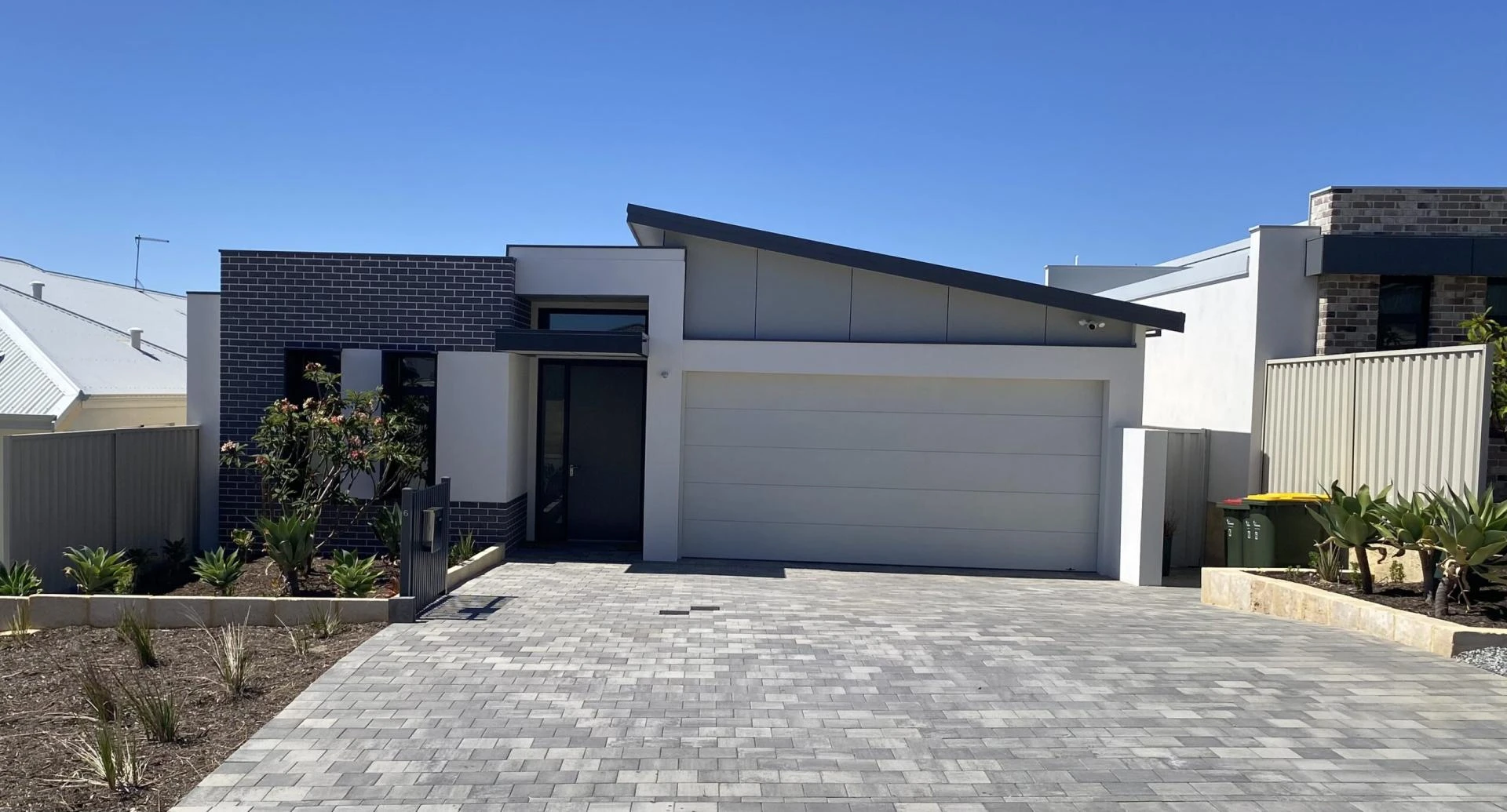
NDIS homes may be shared or individual residences and can include houses, villas or apartments. What sets them apart is their focus on accessibility, safety and functionality, enabling residents to manage daily life with greater independence. These homes often incorporate features such as step-free access, wider doorways, accessible bathrooms and assistive technology.
Understanding NDIS Supported Housing
NDIS supported housing is a broader term that includes several accommodation models where participants receive support to live in their own homes or shared environments. This support may include assistance with daily activities, personal care or household tasks, depending on individual needs.
Supported housing allows participants to remain part of the community while receiving tailored support. It is particularly beneficial for individuals who want independence but still require regular assistance. The level of support is determined through the participant’s NDIS plan and can be adjusted as needs change over time.
Specialist Disability Housing Explained
Specialist Disability Housing (SDH) is a specific category of accommodation under the NDIS, intended for participants with extreme functional impairment or very high support needs. These homes are purpose-built or significantly modified to meet strict design standards set by the NDIS.
Specialist Disability Housing typically includes advanced accessibility features such as:
· Reinforced ceilings for ceiling hoists
· Emergency power backup systems
· Smart home technology for independent living
· Fully accessible kitchens and bathrooms
· Durable materials suited to high-use environments
Because SDH homes are designed to a higher specification than standard housing, they play a crucial role in improving quality of life for eligible participants.
Who Can Access Specialist Disability Accommodation?
Not all NDIS participants will qualify for Specialist Disability Accommodation. Eligibility is assessed individually and is generally limited to people whose disability-related housing needs cannot be met through mainstream housing options, even with modifications.
When approved, SDA funding covers the cost of the physical dwelling, not personal care or support services. Participants typically contribute a portion of rent, while ongoing supports are funded separately under other areas of their NDIS plan.
The Role of an NDIS Accommodation Provider
An NDIS accommodation provider is responsible for developing, managing and maintaining disability housing that meets NDIS standards. These providers ensure homes are safe, compliant and suitable for the people who live in them.
Quality providers work closely with participants, families and support coordinators to understand individual requirements. They also manage tenancy arrangements, property maintenance and compliance with regulatory standards.
Experienced providers focus on:
· Person-centred housing solutions
· Long-term housing stability
· Clear communication and transparency
· Compliance with NDIS design and quality standards
Choosing the right provider is an important decision that can have a lasting impact on a participant’s wellbeing and independence.
NDIS Participants Housing and Choice
One of the core principles of the NDIS is participant choice and control. NDIS participants housing options are designed to reflect this, allowing individuals to choose where and how they live whenever possible.
Participants may choose to live alone, with family, or in shared accommodation with others. Location, design and lifestyle preferences are all considered during the planning process. Support coordinators often assist participants in exploring available options and finding housing that aligns with their goals.
While availability can vary depending on location and demand, increased investment in Specialist Disability Housing is helping to expand options for participants across Australia.
The Importance of Specialist Disability Accommodation Providers
Specialist disability accommodation providers play a vital role in addressing the growing demand for high-quality disability housing. By designing homes that prioritise accessibility, safety and comfort, these providers help create environments where participants can thrive.
Good SDA providers take a long-term approach, ensuring homes remain suitable as participants’ needs evolve. They also contribute to more inclusive communities by integrating disability housing into mainstream neighbourhoods rather than isolating residents.
Looking to the Future
As the NDIS continues to evolve, housing remains a key focus area. The demand for well-designed, accessible homes is increasing, and innovation within the sector is helping to meet these needs. From smart technology to flexible design solutions, NDIS homes are becoming more responsive to individual lifestyles and preferences.
For participants and families, understanding the differences between supported housing, Specialist Disability Housing and the role of accommodation providers is essential. With the right information and support, finding a suitable home can become a positive step towards independence, stability and a better quality of life.