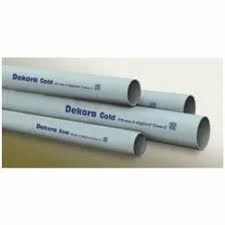
Plumbing is one of the most important systems in any Indian home or building. Whether you’re constructing a new space or renovating an old one, understanding the basics of plumbing can save time and money. In India, where water quality and weather conditions differ greatly, choosing the right plumbing system ensures long-term comfort. Pipes form the foundation of this system and must be selected carefully.
This guide covers the essentials every beginner should know.
Pipe types
There are many types of pipes used in plumbing, each serving a unique purpose. Common varieties include PVC, CPVC, UPVC, PPR, copper, and GI pipes. PVC pipes are cost-effective and widely used in Indian homes due to their durability and ease of installation. CPVC pipes can bear high temperatures, making them suitable for use in hot water lines. PPR and copper pipes are strong and commonly used in commercial or high-rise structures.
Sizes and fittings
Pipe size directly affects water pressure and flow in your home. They are measured by diameter, which ranges from ½ inch to several inches. Small-diameter pipes are best for household supply, while larger pipes handle mainlines. Fittings like elbows, tees, and couplers help connect and guide pipes. A proper layout ensures minimal water wastage and efficient performance.
Installation basics
Correct installation has a major role in the long-term performance of your plumbing system. Pipes should be laid out with proper slopes, especially for drainage, to avoid clogging. Joints must be sealed securely to prevent leakage and maintain pressure. Avoid sharp bends, and use flexible connectors where needed. For optimal results, always rely on trained professionals who adhere to Indian plumbing codes.
Sewer pipes
While regular pipes deliver clean water, SWR pipes are used for carrying waste and rainwater. These pipes are made from strong plastic materials that resist corrosion and chemicals. They are light, simple to install, and ideal for Indian drainage systems. SWR pipes also prevent odour and gas leakage, keeping homes hygienic. Using them ensures a smooth and long-lasting waste disposal setup.
Maintenance tips
Upkeep extends the lifespan of your plumbing system. Check for leaks, corrosion, or discoloured water. Clean strainers and aerators to prevent blockages. Avoid pouring grease or chemicals down drains. Schedule routine inspections by a plumber to identify hidden issues early and ensure your pipes remain in good condition.
Common mistakes
Many homeowners make the mistake during selection of pipes for their water pressure or temperature needs. Poor joint sealing and improper slope in drainage lines often lead to leaks or blockages. Skipping professional help can save money, but it results in higher repair costs later. Always follow plumbing guidelines.
Conclusion
Knowing the basics of plumbing helps homeowners make smart decisions during installation or repair, from choosing water supply pipes to installing a reliable sewer system for drainage. Poor choices can lead to leaks, clogs, and unnecessary future repairs. Always consult a certified plumber and use high-quality, standard-compliant materials. A well-planned plumbing system ensures safety, hygiene, and peace of mind for years to come.