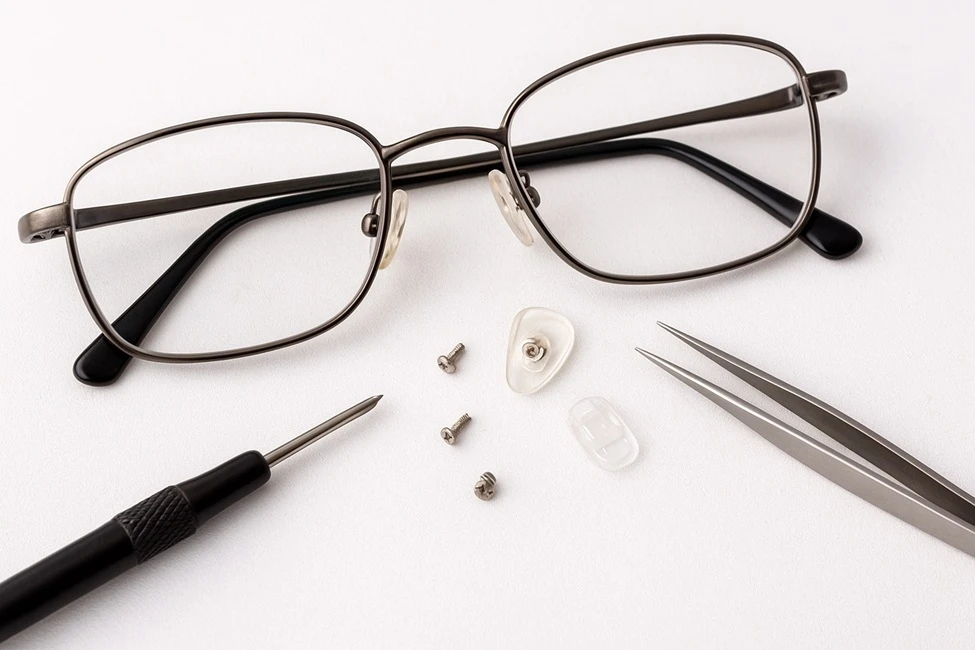
Eyeglasses are more than just a vision aid; they are a daily essential that reflects personal style and comfort. Over time, wear and tear can cause certain components to loosen, break, or fall off. One of the most common problems that eyeglass owners face involves missing screws or worn-out nose pads. Fortunately, these issues can often be fixed without the need to replace the entire frame. Having access to the right eyeglass repair parts can make all the difference between a quick fix and a costly replacement. This guide will walk you through everything you need to know about replacing screws and nose pads, even if you are doing it for the first time.
Understanding the Importance of Small Eyeglass Components
Every part of an eyeglass frame plays a role in how it fits, feels, and functions. The screws, hinges, and nose pads may seem insignificant, but they hold everything together. When a screw loosens or a nose pad wears out, it can affect comfort, balance, and even vision clarity. Replacing these small components helps maintain the frame’s alignment and ensures a longer lifespan for your eyewear.
Regular maintenance prevents bigger problems such as bent temples, crooked lenses, or frame misalignment. Knowing how to identify and replace these parts is an essential skill for anyone who wears glasses regularly.
Types of Screws Used in Eyeglasses
Eyeglass screws are designed to hold various parts of the frame together. Depending on the type of frame, there can be different screw sizes and materials. The most common screws include:
- Hinge Screws: These connect the temples to the frame front and allow the arms to fold.
- Lens Screws: Found in semi-rimless or rimless frames, they secure the lenses in place.
- Nose Pad Screws: These attach the nose pads to the metal arms or brackets.
Screws are usually made from stainless steel or nickel alloys to prevent rust. However, they are small and delicate, so losing one is easy. This is why keeping a small repair kit with spare screws is always recommended.
Common Signs Your Screws Need Replacement
You may not always notice a missing screw immediately, but there are warning signs to look for. If the temples start to feel loose or the lenses appear slightly off-center, a screw could be the issue. Sometimes, you might see a small gap at the hinge or hear a faint clicking sound when opening or closing the frame.
Another sign is uneven pressure on the nose or behind the ears. This usually happens when the frame alignment is affected due to a loose or missing screw. Replacing it as soon as possible can prevent further damage.
Step-by-Step Guide to Replacing Eyeglass Screws
Replacing screws is one of the simplest eyeglass repairs that anyone can do at home with patience and the right tools.
Step 1: Gather the Necessary Tools
You will need a precision screwdriver set, a magnifying glass, and replacement screws. Many eyeglass repair kits include multiple screw sizes, which makes it easier to find the right fit.
Step 2: Secure the Frame
Place your glasses on a flat, well-lit surface. Use a soft cloth underneath to prevent scratches.
Step 3: Insert the Screw
Using tweezers or your fingers, carefully place the screw in the hole. Turn it clockwise using a small screwdriver until it feels snug. Avoid overtightening, as this could strip the screw or damage the frame.
Step 4: Test the Fit
Once the screw is in place, fold and unfold the temples to check for smooth movement. If the arm still feels loose, tighten the screw slightly more.
Why Nose Pads Matter?
Nose pads are one of the most overlooked components of eyeglasses, yet they play a vital role in comfort. They keep the frame from slipping and distribute weight evenly across the nose bridge. Over time, nose pads can wear out, turn yellow, or cause skin irritation. Replacing them regularly ensures comfort and prevents unnecessary strain.
Different frame styles use different nose pad types, such as:
- Screw-in Nose Pads: Common in metal frames; secured using tiny screws.
- Push-in Nose Pads: Snapped into a small rectangular or round housing.
- Clip-on Nose Pads: Typically used for rimless frames.
When to Replace Nose Pads?
There are several signs that your nose pads may need replacement. If your glasses start slipping frequently or you feel pressure marks on your nose, it is time for new pads. Visible discoloration or cracks are also clear indicators. Nose pads made from silicone tend to last longer but can still wear out with daily use.
Replacing them not only restores comfort but also improves hygiene. Since nose pads collect oils and dirt from skin contact, worn-out pads can cause irritation or allergies if not replaced in time.
Step-by-Step Guide to Replacing Nose Pads
Replacing nose pads is relatively simple and takes only a few minutes.
Step 1: Prepare Your Tools
Gather a small screwdriver, tweezers, and replacement nose pads.
Step 2: Remove the Old Pads
For screw-in types, gently unscrew the old pad and remove it. For push-in versions, pull them out carefully without bending the metal bracket.
Step 3: Attach the New Pads
Insert the new pads into the same position. For screw-in pads, tighten the screw gently until secure. For push-in pads, ensure they click firmly into place.
Step 4: Adjust for Comfort
Once both pads are attached, put on your glasses and check the fit. Adjust slightly if one side feels higher or tighter.
Common Mistakes to Avoid
Even though replacing screws and nose pads is straightforward, small mistakes can lead to frame damage or discomfort. Avoid overtightening screws, as this can strip the threading. Always handle the frame carefully to prevent bending, especially with lightweight metal or rimless designs.
When replacing nose pads, make sure both are aligned evenly. Uneven pads can create discomfort and tilt the frame. Using the wrong size or shape of nose pads is another common mistake that affects how glasses sit on the face.
Tips for Long-Lasting Glasses Maintenance
Keeping your eyeglasses in good condition goes beyond replacing parts. Regular cleaning with a microfiber cloth and proper storage can prevent many issues. Always use both hands to remove or wear your glasses to reduce pressure on the hinges. Avoid exposing your glasses to extreme heat, as it can weaken plastic frames and loosen metal screws.
Keeping a small repair kit at home is helpful for minor fixes. It should include screws, nose pads, a screwdriver, and a magnifying glass. Performing simple maintenance checks every few weeks can help detect issues early.
Professional Repair Services You Can Trust
While home repair is convenient, some issues require expert attention. If your frames are made from titanium, wood, or complex materials, self-repair may not be ideal. This is where Eyeglass Repair USA comes in. The company specializes in restoring damaged eyewear with precision and care. From screw replacements to nose pad installations and full-frame restorations, their technicians handle every type of repair. They offer nationwide mail-in services, allowing customers to get their eyewear repaired quickly and professionally without leaving home.
Final Thoughts
Replacing screws and nose pads is one of the most practical skills for anyone who wears glasses. With the right tools and patience, you can fix minor issues and extend the lifespan of your eyewear. Regular maintenance not only saves money but also ensures that your glasses remain comfortable and properly aligned. By understanding how these small parts work and taking proactive care, you can keep your eyewear in excellent shape for years to come. And when professional help is needed, trusted services like Eyeglass Repair USA ensure your favorite frames receive expert attention and come back as good as new.