
Buying a protein powder for the first time can feel confusing. Walk into a health store, and you may see many choices, from dairy-based options to plant-based blends. The labels can also include words that are hard to understand. For beginners, the best approach is to slow down, know what to look for, and choose a product that fits your daily needs.
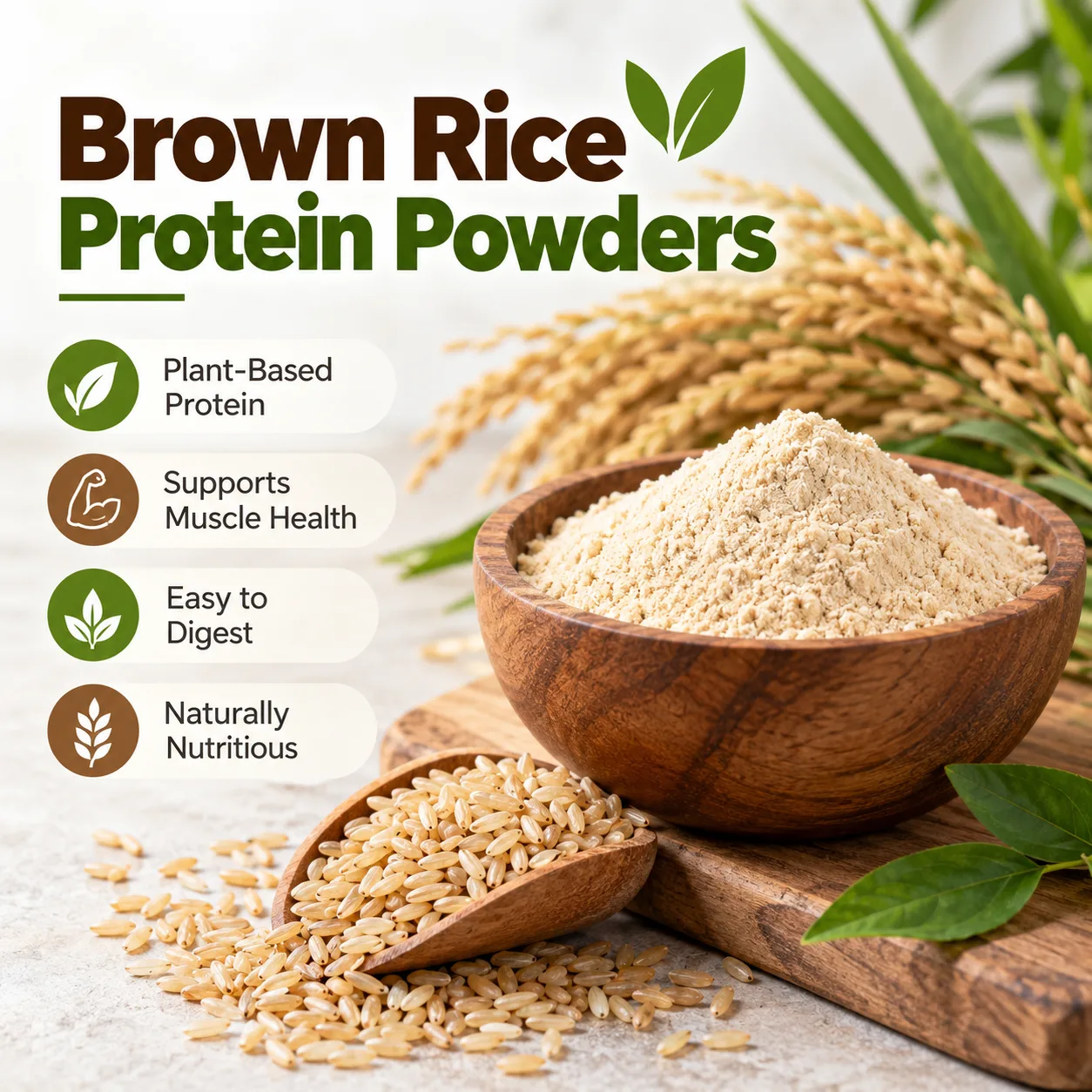
Plant-based protein has become more popular because many people want simple food choices that fit different lifestyles. Brown rice is one option that has gained attention among shoppers who prefer plant-based nutrition. It can be used in smoothies, breakfast bowls, snacks, or simple post-workout drinks. Still, buying a product locally takes a little more care than picking the first package you see.
Start by Knowing What You Need
Before visiting a local store, think about why you want protein powder. Your reason can help you narrow down your choices. Some people want a convenient way to add protein to meals, while others want something easy to use after exercise. Knowing your goal can save time and help you avoid products that do not match your routine.
A beginner does not need a complicated plan. Start with the basics and focus on quality, taste, ingredients, and ease of use. A simple product that you enjoy using is often more useful than a product with a long list of features that you do not understand.
Questions to Ask Before Buying
- What is my main reason for using protein powder?
- Do I prefer a plant-based option?
- Will I use it every day or only sometimes?
- Do I have any food allergies or ingredients I avoid?
- Do I prefer plain, chocolate, vanilla, or another flavor?
- Do I want a single protein source or a blended product?
- Does the product fit my budget?
Read the Label Before the Front of the Package
One of the most useful shopping habits is checking the back label first. The front of the package is designed to attract attention, but the ingredient list gives you more useful information. Look at the main ingredients and see whether they are easy to understand.
A short ingredient list may be easier for a beginner to review. You should also check the serving information, protein amount, added sweeteners, flavorings, and any ingredients that may not suit your diet. If the product includes extra ingredients, make sure you understand why they are included.
Label Details Worth Checking
- Protein source and serving information
- Full ingredient list
- Added sugar or sweeteners
- Artificial flavors or colors
- Allergen information
- Directions for use
- Storage instructions
- Manufacturer details
- Expiry or best-before date
Shop at Trusted Local Stores
Buying locally can be convenient because you can inspect the package before paying. You can also speak with store staff and ask basic questions. This is especially helpful when you are buying a product for the first time.
Look for stores that keep products in clean, organized conditions. Packages should be sealed, clearly labeled, and stored according to the manufacturer’s directions. Avoid products with damaged seals, faded labels, or packaging that looks unusually old. Local shopping can also make it easier to compare several products in one visit. Instead of focusing on a single brand, compare the labels side by side.
What to Look for in a Local Store
- Clean and well-organized shelves
- Clearly labeled products
- Sealed and undamaged packaging
- Visible expiry dates
- Helpful and informed staff
- A reasonable selection of plant-based options
- Clear product information
- Good storage conditions
Compare More Than the Price
Price is important, but it should not be the only thing you consider. A cheaper product may not always give you the features you want. On the other hand, a higher price does not automatically mean better quality.
Try comparing the cost per serving rather than only the price of the container. A large package may seem expensive at first but could offer more servings. You should also consider taste and texture. A product that is hard to mix or unpleasant to drink may end up sitting unused in your kitchen.
Use This Simple Comparison Method
- Compare the serving size.
- Check the protein content per serving.
- Review the ingredient list.
- Compare added sweeteners.
- Check the number of servings in each package.
- Look at the price per serving.
- Compare flavor and texture.
- Check the expiry date before buying.
Think About Taste and Texture
Taste matters more than many beginners expect. Nutrition is important, but so is your ability to enjoy the product. A protein powder that fits your needs but tastes unpleasant may not become part of your daily routine.
Brown rice protein powders can have a distinct taste and texture depending on how they are made and what ingredients are added. Some people prefer mixing them with fruit, plant-based milk, oats, or nut butter to create a smoother drink. You may need to try a smaller package before buying a larger one.
Check the Product’s Quality Information
When shopping, look for clear information from the manufacturer. A trustworthy product should provide enough details for you to understand what you are buying. The label should not make it difficult to identify the ingredients or serving directions.
For shoppers comparing Health supplements Canada, it is also useful to pay attention to the information available on the package and from the seller. Clear labeling can help you make a more informed choice and avoid products with unclear claims.
Helpful Quality Checks
- Read the full label carefully.
- Check the manufacturer’s information.
- Look for clear serving directions.
- Confirm the package is sealed.
- Check the date before purchase.
- Avoid products with unclear ingredient lists.
- Keep your personal dietary needs in mind.
Buy Small Before Buying Big
If you are new to protein powder, starting with a smaller package can be a smart move. It gives you a chance to test the taste, texture, and how easily it fits into your routine.
You may discover that one flavor works well in smoothies but not in oatmeal. Another may mix better with water or milk. Small trial sizes can help you learn what you actually enjoy before spending more money.
Make It Part of a Balanced Routine
Protein powder should be viewed as one part of your overall eating pattern, not a replacement for every meal. Whole foods can provide many nutrients, so your daily routine can include vegetables, fruits, grains, legumes, nuts, seeds, and other foods that meet your needs.
The most useful product is one that supports your routine without making things complicated. Keep your goals realistic, follow the serving directions, and focus on consistency rather than chasing quick results.
Simple Ways to Use Protein Powder
- Blend it into a fruit smoothie.
- Mix it with oats for breakfast.
- Add it to a yogurt-style bowl.
- Stir it into a simple snack recipe.
- Blend it with plant-based milk.
- Use it after exercise when convenient.
- Add fruit or nut butter for extra flavor.
Common Beginner Mistakes to Avoid
Many first-time buyers spend too much time looking at flashy packaging. They may also assume that a higher price means better quality or choose a product without checking the ingredients. These small mistakes can lead to wasted money.
A better approach is to keep your shopping process simple. Know your goal, read the label, compare a few choices, and pick something that works for your taste and routine.
Avoid These Common Mistakes
- Buying only because of attractive packaging
- Choosing based only on price
- Ignoring the ingredient list
- Buying a large package without trying the product
- Forgetting to check the expiry date
- Choosing a product that does not suit your diet
- Expecting protein powder to replace a balanced diet
Final Thoughts
Buying protein powder locally does not have to be overwhelming. The key is learning a few simple shopping habits and using them every time. Start with your personal needs, read the label, compare products, and think about taste, ingredients, serving size, and price.
A little research before you buy can help you feel more confident and avoid unnecessary spending. Once you find a product that fits your routine, using it can become a simple part of your everyday nutrition plan.


