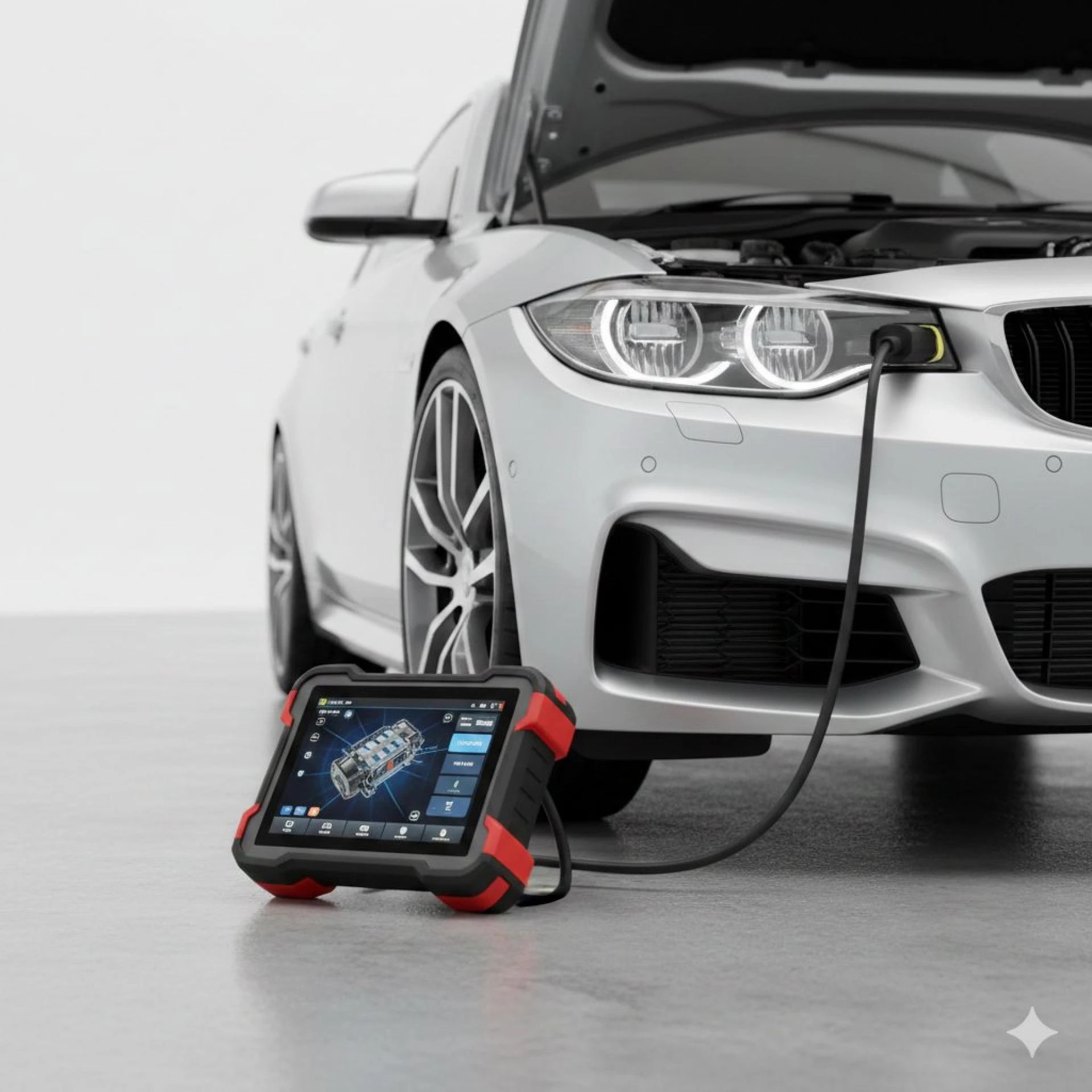
The modern vehicle is an intricate ecosystem where high-frequency data meets heavy-duty mechanical action. The Car Transponder Chip, embedded securely within the key fob or proximity remote, is the primary gatekeeper of the immobilizer system. While much of the focus in automotive engineering centers on the engine, the comfort, security, and peripheral reliability of the cabin are governed by a separate, equally vital set of electronics. From the clarity of the entertainment system to the security of the anti-theft protocols, specialized silicon and switching hardware ensure that the vehicle remains a safe and enjoyable environment for its occupants.
Security and Vehicle Authentication
The first interaction a driver has with their vehicle’s digital brain occurs before the engine even turns over. When the key is placed near the ignition or inside the cabin, the vehicle’s security module sends an inductive pulse to wake up this passive chip.
The Car Transponder Chip then responds with a unique, encrypted digital signature. If this code matches the data stored in the main security processor, the fuel system and starter motor are enabled. This hardware-level security is why modern vehicles are significantly harder to steal than their mechanical predecessors. However, if a Car Transponder Chip becomes desynchronized or physically damaged, the vehicle will remain in a permanent lockout state, requiring a professional diagnostic reset and a new hardware handshake.
High-Fidelity Audio and Signal Processing
Once the vehicle is securely started, the focus shifts to the cabin experience. The Car Audio IC is the dedicated processor responsible for managing the complex acoustics of a mobile environment. Unlike standard home audio chips, a high-performance Car Audio IC must handle significant voltage fluctuations from the alternator while suppressing electrical noise from the ignition system.
These integrated circuits act as high-efficiency power amplifiers, driving multiple speakers across various channels to create an immersive soundstage. A failing Car Audio IC often manifests as distorted sound, persistent popping noises, or a complete loss of audio on specific channels. Because these chips generate substantial heat during high-volume playback, they are typically mounted to the aluminum casing of the head unit to act as a heat sink, ensuring the silicon remains within safe thermal operating limits.
The Intersection of Logic and High-Current Power
While microchips handle the data, they are generally too delicate to move heavy electrical loads. This is where Electrical Relays become essential. These components act as remote-controlled switches, allowing a tiny, low-current signal from a control module to trigger a massive current for components like cooling fans, fuel pumps, and headlights.
Electrical Relays provide the necessary isolation between sensitive digital electronics and the high-draw mechanical parts of the vehicle. Over time, the internal contact points within these relays can become pitted or carbon-coated due to repeated electrical arcing. When Electrical Relays fail, you may hear a clicking sound without the associated component turning on, or conversely, a component may stay stuck "on," draining the battery. Regular inspection of the relay box is a cornerstone of preventative maintenance in both classic and modern vehicles.
Diagnostics and Hardware Maintenance
Maintaining the synergy between these components requires a multifaceted approach to diagnostics:
- Signal Verification: Using a frequency scanner to ensure the Car Transponder Chip is emitting a strong, consistent RF signal.
- Thermal Testing: Checking the Car Audio IC for overheating or "thermal runaway" during extended use.
- Continuity and Load Testing: Using a multimeter to verify that Electrical Relays are maintaining low resistance across their contact points when energized.
By isolating failures at the component level, technicians can perform targeted repairs. For example, replacing a single set of Electrical Relays is a fraction of the cost of replacing a front-end body control module. Similarly, a skilled technician can often desolder and replace a burnt Car Audio IC to restore a high-end infotainment system to factory specifications.

Conclusion
The seamless operation of a modern vehicle depends on the perfect harmony of security, entertainment, and power distribution. The Car Transponder Chip ensures that only the rightful owner can activate the powertrain, while the Car Audio IC provides the high-fidelity soundtrack for the journey. Supporting these digital processes are the robust Electrical Relays, which handle the heavy lifting required to keep the vehicle’s mechanical systems running smoothly. Understanding the roles of these three pillars allows for more precise maintenance and a deeper appreciation for the digital complexity hidden beneath the dashboard.