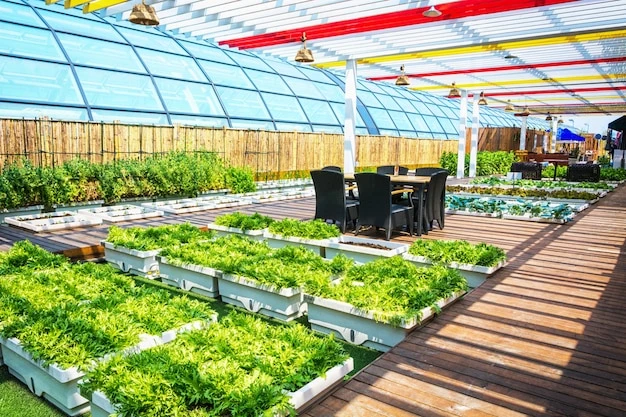
Indoor farming has become one of the most innovative solutions for modern food production. With limited space in cities and growing demand for fresh produce, vertical farming systems are gaining popularity. Among these, the hydroponic tower with integrated grow lights stands out as a revolutionary method. This system allows plants to thrive without soil, using nutrient-rich water and artificial lighting to ensure year-round harvests. In this article, we’ll uncover the surprising benefits of hydroponic towers with grow lights and why they are transforming the way we think about farming.
What Is a Hydroponic Tower with Grow Lights?
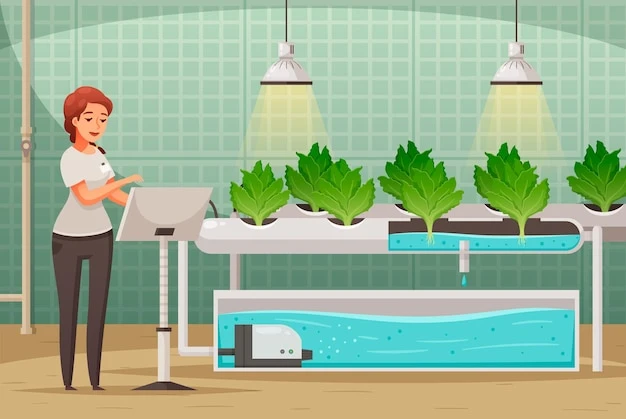
A hydroponic tower is a vertical gardening system that grows plants using water-based nutrients instead of soil. When combined with grow lights, it becomes a powerful tool for indoor farming, enabling plants to flourish even in spaces without natural sunlight.
How It Works
The tower circulates nutrient-rich water to plant roots, while grow lights provide the necessary spectrum of light for photosynthesis. This combination ensures plants grow faster and healthier.
Why It Matters
Traditional farming relies heavily on land and weather conditions. Hydroponic towers with grow lights eliminate these limitations, making farming possible in apartments, offices, and schools.
Key Benefits of Hydroponic Towers with Grow Lights
Year-Round Harvests
Grow lights allow plants to thrive regardless of season. Whether it’s winter or summer, you can enjoy fresh vegetables and herbs all year long.
Faster Growth Cycles
Plants grown in hydroponic towers often mature 25–30% faster than those in soil. The controlled environment ensures optimal conditions for growth.
Space Efficiency
Vertical design means you can grow dozens of plants in a small footprint. This makes hydroponic towers ideal for urban homes and offices.
Water Conservation
Hydroponic systems use up to 90% less water compared to traditional farming. The closed-loop system recycles water, reducing waste.
Reduced Pesticide Use
Because plants grow in a controlled environment, there’s less risk of pests and diseases. This minimizes the need for harmful chemicals.
Nutrient Control
Growers can adjust nutrient levels precisely, ensuring plants receive exactly what they need. This leads to healthier produce with higher nutritional value.
Accessibility for Beginners
Hydroponic towers are easy to set up and maintain, making them accessible even for people with no prior gardening experience.
Eco-Friendly Farming
By conserving resources and reducing transportation needs, hydroponic towers contribute to sustainable agriculture.
Aesthetic Appeal
Hydroponic towers with grow lights are visually striking. They add a modern, green touch to homes, offices, and classrooms.
Real-Life Applications of Hydroponic Towers
Home Gardening
Families can grow fresh vegetables and herbs indoors, reducing grocery costs and ensuring access to healthy food.
Educational Programs
Schools use hydroponic towers to teach students about science, sustainability, and nutrition. Hands-on learning makes lessons more engaging.
Restaurants and Cafés
Chefs grow herbs and greens on-site, ensuring freshness and reducing supply chain dependency.
Community Projects
Urban neighborhoods install hydroponic towers in shared spaces, creating local food hubs and strengthening community ties.
Comparing Hydroponic Towers to Traditional Farming
Yield and Quality
Hydroponic towers produce more food in less time, with consistent quality thanks to controlled conditions.
Maintenance
Traditional farming requires soil management, weeding, and pest control. Hydroponic towers simplify maintenance, making farming less labor-intensive.
Environmental Impact
Hydroponic towers conserve water and reduce chemical use, making them more eco-friendly than conventional farming.
Mid-Content Anchor Integration
For those exploring modern farming solutions, a grow tower offers a practical way to cultivate fresh produce indoors. With its efficient design and integrated lighting, it’s suitable for both beginners and experienced growers.
Future of Hydroponic Towers with Grow Lights
Smart Technology Integration
Future hydroponic towers may include sensors and apps to monitor plant health, automate nutrient delivery, and optimize lighting schedules.
Expansion in Urban Areas
As cities grow, hydroponic towers will play a vital role in ensuring food security by reducing reliance on imported produce.
Contribution to Sustainability Goals
Hydroponic towers align with global sustainability initiatives by conserving resources and promoting eco-friendly practices.
Challenges and Considerations
Initial Investment
Hydroponic towers with grow lights can be costly upfront. However, long-term savings on groceries and water often offset the expense.
Energy Consumption
Grow lights require electricity, which can increase energy costs. Using energy-efficient LED lights helps minimize this issue.
Learning Curve
While easy to use, beginners may need time to understand nutrient management and lighting schedules.
Conclusion
Hydroponic towers with grow lights are redefining indoor farming. They offer year-round harvests, faster growth, and sustainable resource use, making them ideal for homes, schools, and communities. By combining water-based nutrients with artificial lighting, these systems provide a reliable way to grow fresh, healthy produce in any environment. As technology advances, hydroponic towers will continue to play a crucial role in shaping the future of agriculture, offering practical solutions to modern challenges.