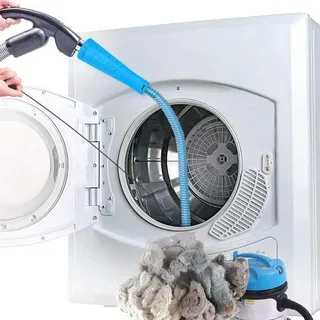
Dryers make laundry faster and more convenient, but one essential part of the appliance often goes unnoticed: the dryer vent. While most homeowners clean the lint trap after every load, lint, dust, and debris continue to travel through the vent system with each drying cycle. Over time, this buildup can restrict airflow, reduce dryer efficiency, increase energy consumption, and even create a potential fire hazard. Home maintenance resources from Air Wolfe Air Duct Cleaning highlight how proper dryer vent maintenance contributes to both household safety and appliance performance. Understanding the warning signs can help homeowners address problems before they become costly repairs.
Why Dryer Vent Cleaning Is Essential for Every Home
A dryer vent is designed to carry hot, moist air and lint from the dryer to the outside of your home. When this airflow becomes restricted, the dryer has to work harder to remove moisture from clothes. This not only increases drying time but also places unnecessary strain on the appliance.
According to the U.S. Fire Administration, failure to clean dryers is one of the leading contributing factors in residential dryer fires. Beyond safety concerns, poor ventilation can shorten the lifespan of your dryer, increase utility bills, and reduce overall appliance performance.
Routine maintenance and professional dryer vent cleaning help maintain proper airflow, improve efficiency, and reduce the accumulation of combustible lint inside the vent system.
8 Warning Signs Your Dryer Vent Needs Professional Cleaning
Not every dryer problem means you have a clogged vent, but these warning signs often indicate that it's time for a professional inspection.
Clothes Take Longer Than One Cycle to Dry
One of the most common signs of restricted airflow is laundry that requires multiple drying cycles. If towels, jeans, or bedding remain damp after a normal cycle, lint buildup inside the vent may be preventing moisture from escaping properly. Homeowners experiencing this issue often discover that the dryer taking too long to dry clothes is related to poor vent airflow rather than a faulty dryer.
Your Dryer Feels Unusually Hot
A dryer naturally generates heat, but the outside of the appliance shouldn't become excessively hot to the touch. When hot air can't escape efficiently, it remains trapped inside the dryer, forcing the appliance to work harder and increasing wear on internal components.
You Notice a Burning Smell
A burning odor during a drying cycle should never be ignored. Lint is highly flammable, and excessive accumulation inside the vent can overheat when airflow is restricted. Turning off the dryer and arranging a professional inspection is the safest response.
Excess Lint Around the Dryer or Exterior Vent
Finding lint behind your dryer or around the outdoor vent opening often indicates that the exhaust system isn't moving air efficiently. Visible lint buildup is an early sign that the vent may need cleaning before the blockage becomes more severe.
Your Laundry Room Feels Warm and Humid
Dryers are designed to remove moisture from clothing and vent it outdoors. If your laundry room suddenly feels unusually warm or humid while the dryer is operating, moisture may not be leaving the vent system as intended.
Your Energy Bills Continue to Rise
Restricted airflow forces the dryer to run longer, using more electricity to dry each load. Over time, these longer drying cycles can noticeably increase household energy costs. Many homeowners don't realize that a clogged dryer vent can increase your electric bill simply because the appliance has to work much harder than necessary.
The Exterior Vent Flap Barely Opens
When the dryer is running, the outside vent flap should open fully as warm air is expelled. If it barely moves or remains closed, airflow may be restricted by lint or debris inside the vent.
It's Been Years Since Your Last Dryer Vent Inspection
Many homeowners have never had their dryer vent professionally inspected. Even if your dryer appears to work normally, years of use can allow hidden lint accumulation inside the vent system. Scheduling professional dryer vent cleaning helps restore proper airflow before performance and safety issues develop.
What Happens If You Ignore a Clogged Dryer Vent?
Ignoring the warning signs can lead to more than just inconvenient laundry days. As lint continues to accumulate, airflow becomes increasingly restricted, forcing the dryer to operate at higher temperatures for longer periods. This can increase wear on heating elements, motors, and other internal components, leading to premature appliance failure.
Poor ventilation may also contribute to higher energy consumption, longer drying cycles, and excess moisture inside the laundry area. In severe cases, accumulated lint can become a fire hazard if exposed to excessive heat. Understanding how a clogged dryer vent can cause a fire helps homeowners recognize why routine inspections and timely maintenance are essential for protecting both their appliance and their home. Addressing airflow problems early is far more cost-effective than replacing a damaged appliance or dealing with preventable repairs.
How Professional Dryer Vent Cleaning Solves These Problems
Cleaning the lint trap after every load is important, but it only captures a portion of the lint produced during drying. Fine fibers continue traveling through the vent system, where they gradually build up over time.
Professional technicians use specialized equipment to remove accumulated lint from the entire accessible vent line, improving airflow and restoring dryer performance. A thorough inspection can also identify damaged vent sections, disconnected ducts, or improper installations that may reduce efficiency or create safety concerns.
How to Keep Your Dryer Vent Clean Between Professional Cleanings
Regular maintenance can help reduce lint buildup and keep your dryer operating efficiently between professional services.
Always clean the lint screen after every load, avoid overloading the dryer, and periodically inspect the exterior vent to ensure it opens freely during operation. Keeping the area around the dryer free of dust and lint also helps maintain better airflow. Scheduling routine inspections, especially in households that do frequent laundry, can prevent minor airflow restrictions from becoming more serious problems.
Final Thoughts
A clogged dryer vent rarely happens overnight. Instead, it develops gradually as lint accumulates inside the vent system with every load of laundry. Paying attention to warning signs such as longer drying times, excessive heat, burning odors, rising energy bills, or poor airflow allows homeowners to address problems before they become costly or dangerous. Combined with routine maintenance and periodic professional inspections, dryer vent cleaning helps improve appliance performance, supports energy efficiency, and contributes to a safer home.
Frequently Asked Questions
How often should a dryer vent be professionally cleaned?
Most homes benefit from an inspection every 12 to 24 months, although larger households that use the dryer frequently may require more frequent cleaning.
Does cleaning the lint trap eliminate the need for dryer vent cleaning?
No. The lint trap captures only part of the lint produced during each cycle. Fine fibers continue accumulating inside the vent system over time.
Can a clogged dryer vent damage my dryer?
Yes. Restricted airflow forces the dryer to work harder, increasing wear on internal components and potentially shortening the appliance's lifespan.
Is dryer vent cleaning really necessary?
If your dryer is taking longer to dry clothes, producing excessive heat, or showing other warning signs, a professional inspection can help determine whether cleaning is needed.
What is the biggest warning sign of a clogged dryer vent?
Longer drying times are often the earliest and most noticeable indication that airflow inside the vent has become restricted.