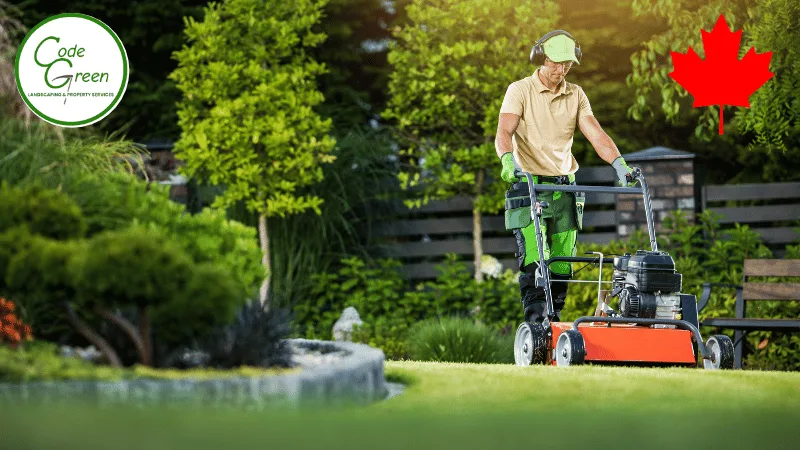
Keeping a lawn healthy requires more than regular mowing. Grass needs suitable watering, proper cutting, healthy soil, and attention to problems as they develop. In Bedford, changing temperatures and rainfall can affect how quickly grass grows and how much maintenance it needs. Following a consistent routine helps prevent common lawn problems and keeps the property in better condition from spring through fall.
Homeowners who arrange Lawn Care Services in Bedford can manage these tasks according to the season and the condition of their grass. The following eight practices can help maintain a healthy lawn throughout the growing season.
1. Mow at the Right Height
Cutting grass too short can weaken it and make the soil more exposed to direct sunlight. This can increase moisture loss and create better conditions for weeds to establish. Leaving grass slightly longer helps protect the soil and supports stronger growth.
Avoid removing too much of the grass blade in a single mowing session. If the lawn has become overgrown, reduce its height gradually rather than cutting it down all at once. Adjust the mowing height based on the grass type and its growth rate.
2. Water According to Soil Conditions
Grass needs enough moisture to develop healthy roots, but frequent shallow watering may encourage roots to remain close to the surface. Deeper watering at suitable intervals generally encourages roots to grow further into the soil.
Check the ground before watering. If the soil is still moist below the surface, additional water may not be necessary. During dry periods, pay attention to areas that receive direct sunlight or show early signs of stress.
Watering in the early morning is generally preferable because less moisture is lost to evaporation. Avoid creating waterlogged conditions, particularly in areas where drainage is already limited.
3. Keep Weeds Under Control
Weeds compete with grass for sunlight, water, and nutrients. They often become established in thin areas where the existing turf does not provide enough coverage.
Inspect the lawn regularly, especially around edges, garden beds, and bare patches. Removing weeds while they are still limited can reduce the chance of wider spread. It is also important to identify why they are appearing. Compacted soil, poor drainage, and weak grass growth can all contribute to recurring weed problems.
A suitable maintenance plan should address the condition of the lawn rather than focusing only on visible weeds.
4. Pay Attention to Soil Health
Healthy grass depends on the condition of the soil beneath it. Compacted ground can restrict air, water, and nutrient movement, making it harder for roots to develop. This may lead to thinning grass and areas that struggle to recover after dry weather.
Check whether the soil feels unusually hard or whether water collects on the surface instead of soaking in. Depending on the condition of the lawn, aeration or other soil improvements may be appropriate.
A Lawn Care Contractor can assess these conditions and recommend work based on the type of soil and the lawn's overall health.
5. Avoid Leaving Grass Clippings in Thick Piles
Grass clippings are generally harmless when they are short and spread evenly across the lawn. They can break down and return organic matter to the soil. Problems develop when long clippings collect in thick piles and cover sections of grass.
These clumps can block sunlight and restrict airflow around the grass blades. If the lawn has grown too long between mowing sessions, collect or redistribute heavy clippings after cutting.
Keeping the mower blade sharp also helps produce cleaner cuts. Dull blades can tear grass instead of cutting it evenly, leaving the lawn with a rough appearance.
6. Repair Bare and Damaged Areas Early
Bare patches can develop because of heavy foot traffic, poor drainage, pests, disease, or unsuitable growing conditions. Leaving these areas untreated may allow weeds to take hold and make the damaged sections larger.
First, identify the cause of the problem. Adding seed or new grass without correcting poor soil conditions or drainage may only provide a temporary improvement.
For larger damaged areas, soil preparation and suitable grass selection are important. Regular inspection makes it easier to address small problems before they affect a wider section of the property.
7. Adjust Lawn Care to Seasonal Changes
The same maintenance routine may not work throughout the entire growing season. Spring usually involves clearing winter debris and checking for damage. During summer, watering and mowing need to reflect heat, rainfall, and grass growth. Fall maintenance focuses on removing leaves and preparing the lawn for colder conditions.
Homeowners should also avoid unnecessary work when the ground is too wet. Heavy foot traffic and equipment can damage soft soil, particularly after prolonged rainfall.
A Lawn Care service should account for these seasonal differences instead of applying an identical schedule from spring to fall. This helps keep maintenance relevant to the lawn's changing needs.
8. Keep a Consistent Maintenance Schedule
Leaving lawn care until grass becomes overgrown or problems become visible can make routine work more difficult. Consistent mowing, inspections, watering, and seasonal cleanup help prevent maintenance from building up.
The schedule should reflect the size of the lawn, the amount of use it receives, and its growth rate. Properties with shaded sections, sloped areas, or drainage concerns may need different attention from lawns with even ground and full sunlight.
For homeowners who need ongoing support, Code Green Landscaping provides property maintenance and lawn care services in Bedford. Planning visits around the property's requirements can make regular upkeep easier to manage.
Conclusion
A healthy lawn depends on several maintenance practices working together. Proper mowing, suitable watering, weed control, soil care, and early repairs all contribute to stronger grass throughout the growing season. Seasonal adjustments are equally important because Bedford's weather can change the lawn's needs from one month to the next.
By following a consistent routine and addressing problems before they spread, homeowners can reduce avoidable damage and maintain better grass coverage. Regular Lawn Care Services in Bedford can also help keep these tasks on schedule as growing conditions change.