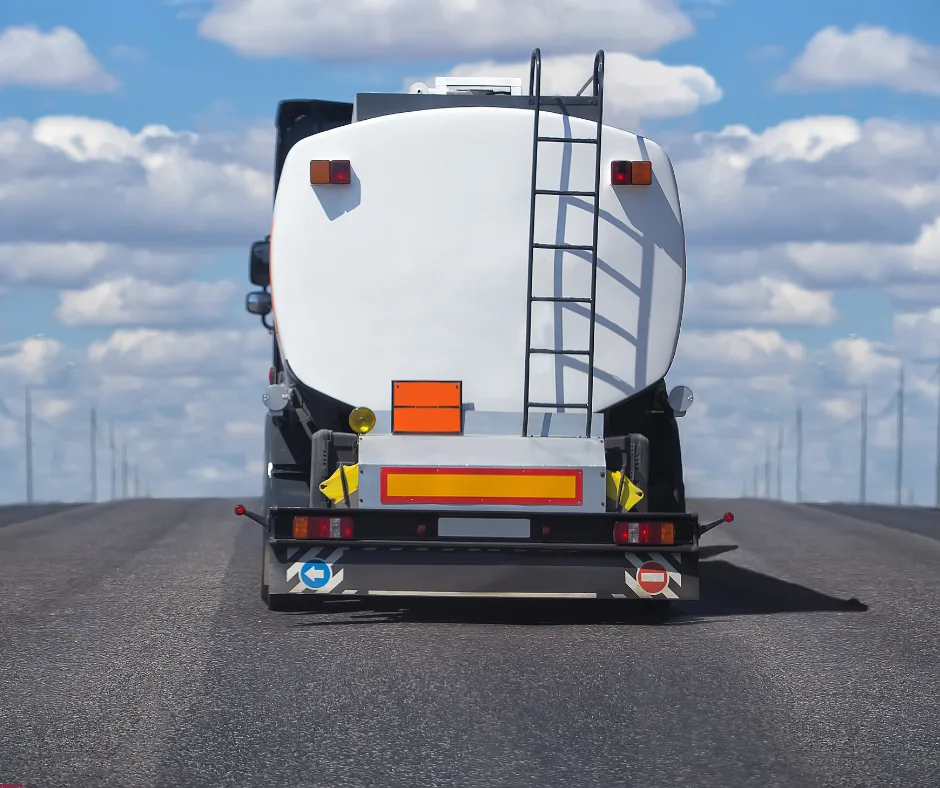
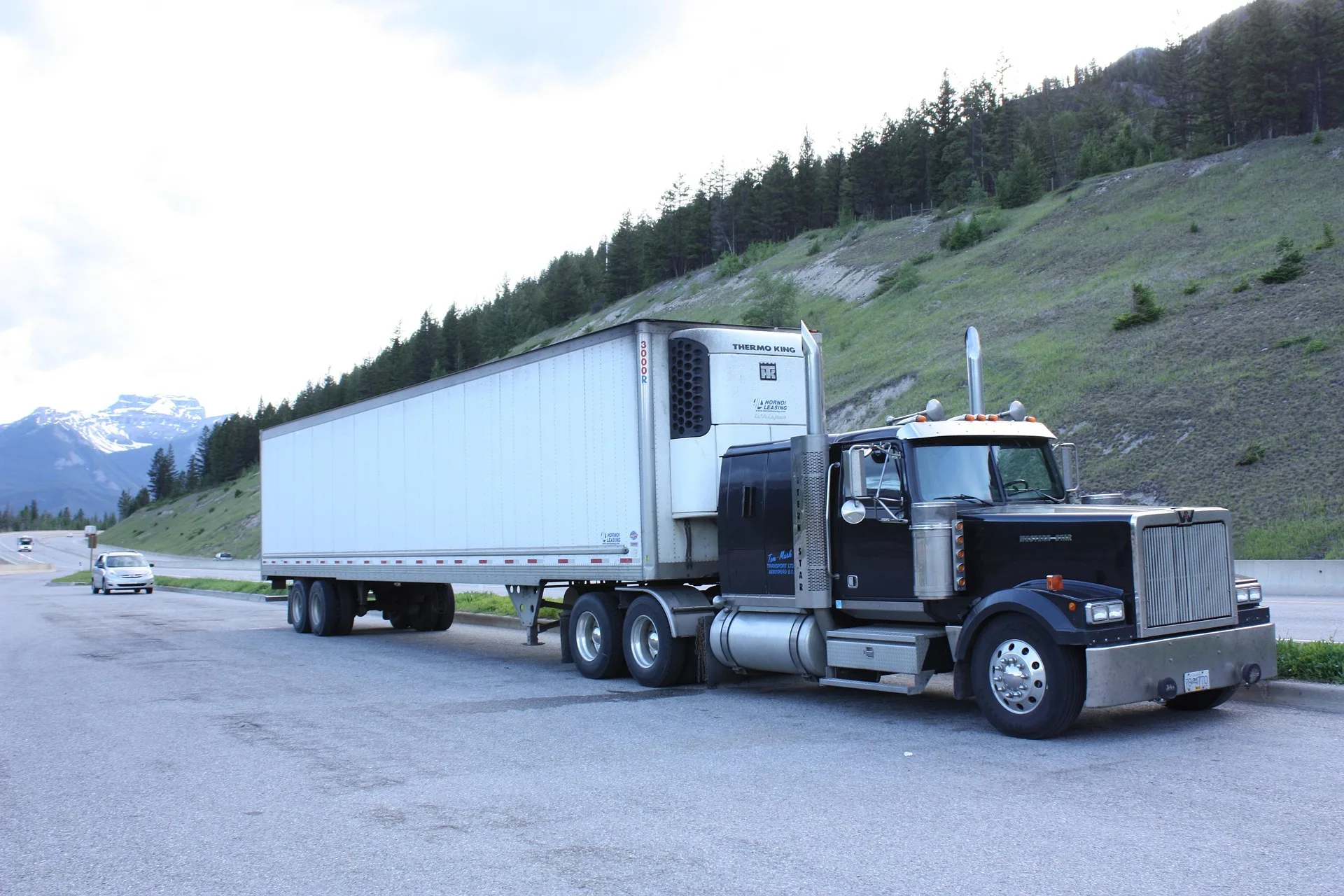
A refrigerated trailer of dairy sits in a distribution center yard over a holiday weekend. Sometime on Sunday, the reefer unit runs out of diesel and shuts off. By Monday morning, the load is warm, the receiver refuses it, and a problem that 30 gallons of fuel would have prevented starts generating invoices.
Most people stop counting at the product's value. Grocery chains know better, because they pay the rest of the bill too. That is also why so many now depend on scheduled reefer fuel delivery. Here is what a single spoiled load really costs.
1. The product itself
This is the obvious one. A mixed trailer of dairy and produce can carry tens of thousands of dollars in goods, and a full load of meat or seafood can run well past six figures. Frozen product is more forgiving than fresh, but neither survives many hours without refrigeration in warm weather.
2. The sales needed to earn it back
Grocery is a thin-margin business. Net profit across the industry is commonly cited in the low single digits, often between one and three percent of sales.
Run the arithmetic on an illustrative load. If a chain loses $60,000 of product and earns two cents on each dollar of sales, it has to sell $3 million of groceries to make up the loss. That is the number that gets a chief financial officer’s attention, and it is why spoilage hurts grocers more than almost any other shipper.
3. Rejection, return freight, and disposal
A refused load does not vanish. Someone pays to haul it away, and food waste cannot simply go in a dumpster behind the warehouse. Disposal fees, landfill or rendering charges, and the labor to unload and document the rejected product all land on the bill. If the carrier and the shipper disagree about who was at fault, the trailer may sit while they argue, which ties up equipment as well.
4. Expedited replacement freight
The stores still need the product. Replacing a lost load usually means buying at short notice and paying for expedited or team-driver freight to get it there. A routine replenishment move becomes a premium one, and the chain pays twice to ship the same category once.
5. Empty shelves
A late replacement means out-of-stocks. Shoppers who cannot find milk or chicken do not wait for Thursday’s truck. They buy it elsewhere, and some of them take the rest of their basket along.
Lost sales from an empty cooler are hard to measure, which is why they often get left out of spoilage estimates. Category managers notice them anyway.
6. Claims, chargebacks, and insurance friction
Every spoiled load opens a claim. Shippers, carriers, brokers, and receivers each have paperwork to file and positions to defend, and settlements can take months.
Insurance does not always help. Many cargo policies with reefer breakdown coverage exclude losses caused by running out of fuel, since insurers treat that as a preventable maintenance failure. A carrier that assumed it was covered may end up paying the full claim, and a grocer that self-insures absorbs the loss directly.
7. Food safety exposure
Federal rules under the Food Safety Modernization Act require shippers, carriers, and receivers to keep food at safe temperatures during transport and to show they did. A load that warmed up and was caught at the dock is a financial loss. A load that warmed up, cooled back down, and reached the shelf is a much larger problem.
That risk is why receivers pull temperature records and reject anything questionable. That is also why grocery chains care about refrigeration gaps they cannot see.
8. Supplier and carrier relationships
Grocers keep scorecards. A carrier with repeated temperature failures loses lanes, and a supplier whose loads arrive out of spec loses shelf space. For a private fleet, the damage is internal but just as real: store operations stop trusting the supply chain and start over-ordering to protect themselves, which creates its own waste.
Why fuel sits at the center of this
Reefer units fail for mechanical reasons, and good maintenance handles most of those. Fuel runouts are different. They are completely preventable, and they tend to happen in the same places: drop yards, staging lots, and distribution center yards where trailers wait for hours or days with nobody assigned to check the tank.
The reefer has its own fuel supply, separate from the tractor. A driver can fill the truck and never look at the trailer. Over a weekend, in summer heat, a unit working hard can drain its tank faster than anyone planned for.
How on-site reefer fueling closes the gap
Grocery chains and their carriers increasingly hand this job to a delivery provider. With reefer fuel delivery, a fuel truck comes to the yard on a set schedule and tops off every refrigerated trailer where it is parked. Nobody has to remember, and no trailer has to be pulled to a station.
Diesel Direct runs reefer fuel delivery around the clock, every day of the year, including nights and weekends when yards are least staffed. Its Fuel Intelligence portal shows every gallon delivered, which gives fleet managers a record of which trailers were fueled and when. Off-road reefer fuel is also delivered without federal on-road fuel tax, and seasonal blends keep units running through cold snaps and heat waves. Storm coverage and disaster response planning matter for the same reason: bad weather is when stores need deliveries most and when fuel is hardest to find.
Set against the eight costs above, a reefer fueling solution is a small, predictable expense. A chain that would need millions in sales to recover one lost load can easily decide on a few gallons of diesel.