A brighter smile can make a real difference in how you feel day to day. If your teeth look stained or dull, it is natural to look for a quick and simple way to improve them. At home, teeth whitening products are everywhere, and they promise fast results without the need for a dental visit. It sounds easy, and for many people, that is exactly the appeal.
At the same time, whitening your teeth is not just about appearance. The way it is done matters, and doing it incorrectly can lead to problems you did not expect. Many at-home products are not tailored to your teeth, and that can affect both your results and your dental health. Before you decide to try one, it is important to understand the risks and what you might be trading off for convenience.
1. What Teeth Whitening Really Does and Why People Try It
If your teeth look stained or dull, it is normal to want a brighter smile. Many people feel less confident when their teeth are not as white as they would like, so they look for quick solutions. Teeth whitening is one of the most common ways to improve how your smile looks, and it can make a noticeable difference when done the right way.
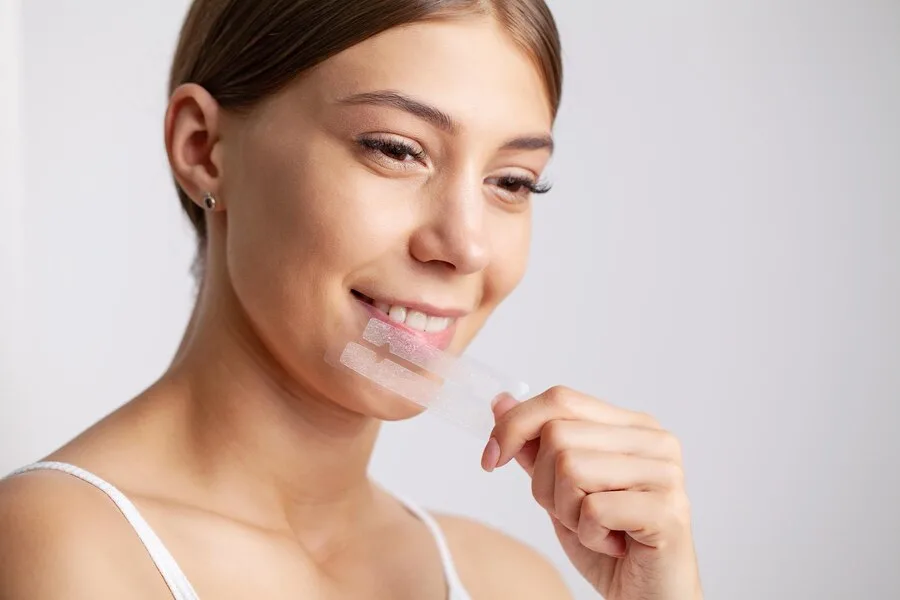
At home whitening products are easy to find and simple to use, which is why they are so popular. You can buy strips, gels, trays, or even light kits without seeing a dentist. The idea of whitening your teeth at home, on your own schedule, sounds convenient. Still, convenience does not always mean safety or effectiveness. When whitening is not done properly, it can lead to problems that affect both the look and health of your teeth.
Before you decide to whiten your teeth at home, it helps to understand what can go wrong and why professional care often leads to better results.
2. Gum Irritation and Soft Tissue Problems
One of the most common issues with at-home whitening is irritation of the gums. Many whitening products contain peroxide, which helps remove stains but can also irritate soft tissue. If the product touches your gums, you may notice redness, soreness, or even a burning feeling.
This happens easily with at-home kits because they are not made to fit your mouth exactly. Trays and strips are designed for general use, not for your specific teeth. Because of that, the whitening material can spread to areas where it should not be.
Even if you try to be careful, it is not always easy to control where the product goes.
Some kits also include lights that claim to speed up whitening. If used incorrectly, these can add to irritation instead of helping. Over time, repeated irritation can make your gums more sensitive and uncomfortable.
3. Damage to Tooth Enamel
Your enamel is the outer layer of your teeth. It protects the inner structure and helps keep your teeth strong. Even though enamel is durable, it is not indestructible.
At home whitening products can weaken enamel when they are used too often or for too long. Many people do not see fast results, so they use the product more frequently than recommended. This overuse can slowly wear down the enamel.
Once enamel is damaged, it does not grow back. This means your teeth can become more vulnerable to decay and other problems. What started as a simple cosmetic change can turn into a long-term dental issue.
4. Increased Tooth Sensitivity
If you have ever felt a sharp reaction when eating something hot or cold, you know what tooth sensitivity feels like. Whitening products can make this worse.
When enamel becomes thinner or more porous, the layer underneath becomes more exposed. This layer contains tiny pathways that lead to the nerves inside your teeth. When those pathways are more open, temperature changes can trigger discomfort or pain.
Some people notice gum sensitivity after just a few uses of whitening products. For others, it builds over time. Either way, it can make everyday things like drinking coffee or eating ice cream uncomfortable.
5. Uneven or Patchy Whitening Results
The goal of whitening is simple. You want your teeth to look brighter and more even in color. With at-home treatments, that result is not always guaranteed.
Because these products are not customized, they may not reach every part of your teeth. Areas between teeth or along the gumline can be missed. This leads to uneven color, where some spots look whiter while others remain stained.
User error also plays a role. It is not easy to see exactly what you are doing inside your mouth, and small mistakes can affect the final result. Instead of improving your smile, uneven whitening can make tooth discoloration more noticeable.
6. Wasted Time and Money
At home, whitening products are often chosen because they seem more affordable. While the initial cost may be lower, the results are usually less noticeable compared to professional treatments.
Many people end up buying multiple products or repeating treatments to try to get better results. Over time, this adds up. You may spend more money than expected without achieving the level of whitening you want.
Some products also claim to be natural alternatives. Ingredients like charcoal or turmeric are often promoted online, but there is little reliable evidence that they actually whiten teeth. In some cases, they can even stain teeth further or damage enamel.
7. Lack of Professional Guidance and Safety
One of the biggest differences between at-home whitening and professional treatment is supervision. When you whiten your teeth on your own, you are making decisions without expert guidance.
A dentist evaluates your teeth before recommending any whitening treatment. They check for cavities, gum issues, or other problems that could get worse with whitening. Without that step, you may be using products on teeth that are not ready for it.
Professional treatments are also adjusted to your needs. The strength of the professional teeth whitening agent, the application method, and the duration are all controlled. This reduces the risk of side effects and helps you get more consistent results.
8. A Safer Way to Whiten Your Teeth
If you are thinking about whitening your teeth, it makes sense to look for an option that is both safe and effective. Professional whitening offers a controlled approach that protects your teeth while improving their appearance.
You still get the brighter smile you want, but with fewer risks. The results are usually more even, and the process is designed to minimize sensitivity and irritation. You also have someone to guide you and answer questions along the way.
At home whitening may seem simple, but it comes with trade-offs. Understanding these risks helps you make a better decision for your dental health. If your goal is a whiter smile that lasts, taking the safer route can save you time, discomfort, and future dental problems.