Dental implants are a modern and effective method for replacing missing teeth. They allow you to regain not only the aesthetics of your smile but also your full chewing function. However, implantation is a complex surgical procedure that requires careful preparation and a thorough understanding of all the details. Before making your decision, it's important to ask your dentist the right questions. This helps avoid complications, unnecessary costs, and disappointment. In this article, we have gathered eight important questions you should ask your dentist before getting dental implants.
1. Am I a suitable candidate for dental implants?
Not all patients are immediately suitable candidates for dental implants. Successful integration requires sufficient bone mass and good overall health. Certain conditions, such as uncontrolled diabetes, severe periodontitis, or osteoporosis, can impair the healing process.
Bad habits, especially smoking, can also play a role. Nicotine reduces blood flow to the tissues and can decrease the likelihood of successful integration. Therefore, you must be honest with your dentist about your health and lifestyle. In some cases, gum treatment or bone preparation is necessary before implantation.
2. Which implants do you use and why?
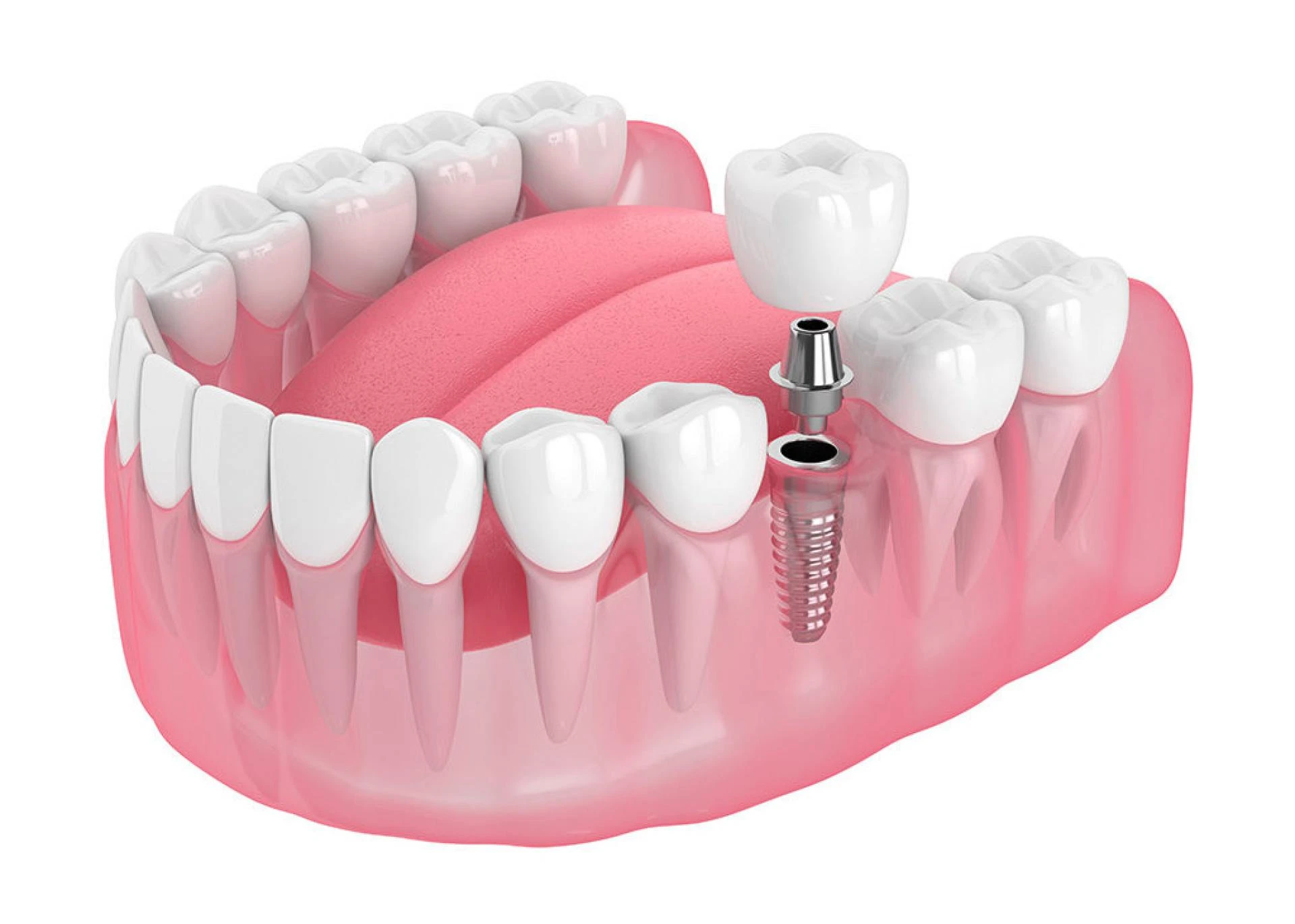
There are many different implant systems from various manufacturers. They differ in material, design, coating, and clinical performance. A professional dentist can always explain why they chose a particular system: reliability, long-term studies, or compatibility with your individual situation. Be sure to ask if the implants have certifications and international clinical data. This directly impacts the longevity of the result.
3. Do I need bone grafting?
After tooth loss, the jawbone gradually recedes. If the tooth has been missing for some time, the bone volume may not be sufficient to securely anchor the implant. In this case, your dentist may recommend bone grafting or a sinus lift.
This is an additional surgical procedure that increases bone volume and improves the prognosis for implantation. It is important to know in advance whether this method is suitable for you, how the procedure is performed, how long the healing phase lasts, and how this affects the overall cost of treatment.
4. How is the implantation performed?
It is important that you, as the patient, understand each step of the treatment. The implantation can be performed either in one step (directly after tooth extraction) or in several steps. Sometimes a healing phase (osseointegration) is required, which can last several months.
You can ask how many appointments are necessary, whether a temporary prosthesis will be used, and how long you will have to do without a permanent tooth. A clear understanding of the process reduces anxiety and helps you plan your time effectively.
5. What risks and complications are possible?
Every surgical procedure carries risks. Although implantation is considered a safe and well-planned procedure, complications such as inflammation, implant rejection, damage to adjacent structures, or persistent pain are possible.
It is important to understand the likelihood of complications in your specific case and to know what measures are being taken to prevent them. Also, ask what to do if the implant fails to integrate and whether a replacement is covered by the clinic's warranty.
6. How long does the entire treatment take?
Implant placement is not always a quick process. The time from the initial appointment to the placement of the final crown can vary from a few weeks to a year. This depends on the condition of the bone, the need for additional procedures, and the healing process.
It is especially important to know the timeline if the treatment involves a visible area or if you have important events planned. Your dentist should create a preliminary treatment plan outlining each step and its timeframe.
7. How do I care for implants after placement?
An implant is not an "artificial tooth that doesn't require care." The surrounding gums and bone can also become inflamed. Poor oral hygiene can lead to peri-implantitis, a condition similar to periodontitis.
Ask your dentist which oral hygiene products you should use and whether a water flosser, special brushes, or dental floss is necessary. It's also important to know how often you should visit a dental center for professional cleanings and checkups. Proper care is key to a long-lasting implant.
8. What are the total treatment costs, and what does it include?
The cost of dental implants can vary significantly depending on the clinic and the complexity of the case. It's important to obtain a complete cost estimate: implant, surgery, abutment, crown, imaging, anesthesia, and any additional services.
Sometimes patients rely solely on the price of the implant and then find themselves facing unexpected costs. A transparent cost estimate helps to avoid financial surprises and to accurately compare offers from different clinics.