
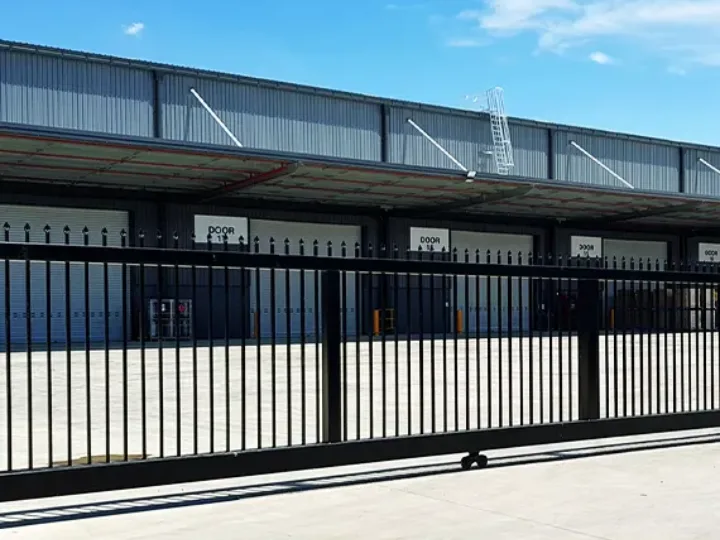
Data centres depend on reliable power and cooling systems to maintain operations and protect critical digital infrastructure. Generators, transformers, switchgear, chillers and cooling equipment may be located in dedicated compounds that require controlled access and clear physical boundaries. Properly planned data centre fencing can help protect these assets while allowing authorised technicians to carry out inspections, repairs and routine maintenance.
1. Creating Secure Equipment Compounds
Power and cooling equipment often occupies designated areas outside the main data centre building. These spaces may contain valuable components that require protection from unauthorised access.
A suitable fence can establish a clear boundary around generators, electrical installations and cooling plant. Fence height, configuration and structural strength should be selected according to the site's risk assessment and project specifications.
Separating equipment compounds from general operational areas can also help organise site access and maintenance activities.
2. Restricting Unauthorised Access
Electrical infrastructure and cooling equipment may present operational and safety risks to unqualified personnel. Physical barriers can help prevent casual entry and reinforce access restrictions around sensitive assets.
Fencing should be coordinated with appropriate gates, locking hardware and access control procedures. Only authorised personnel should be permitted to enter restricted equipment areas, with access arrangements reflecting the facility's operating requirements.
These measures can support a broader security strategy that includes staff procedures, surveillance and incident response planning.
3. Protecting Power Supply Infrastructure
Reliable electrical supply is essential for data centre operations. External power infrastructure may include transformers, switchgear, backup generators and associated distribution equipment.
Perimeter barriers can help separate these assets from vehicle routes, public areas and unrelated site activities. Gate positions should provide suitable access for qualified electrical technicians and authorised service vehicles without creating unnecessary openings in the boundary.
The fencing layout must also account for electrical safety clearances and any requirements specified by equipment manufacturers or relevant authorities.
4. Securing Cooling Equipment and Service Areas
Cooling systems help maintain suitable operating conditions for servers and other digital equipment. Chillers, condensers, pumps and related components may require regular inspection and servicing.
Fencing can establish controlled maintenance zones around these systems while allowing technicians to reach service points. The design should account for equipment dimensions, access doors, pipework, airflow requirements and maintenance clearances.
The fence should not obstruct ventilation, emergency access or the removal and replacement of major equipment components.
5. Supporting CCTV and Security Monitoring
Physical barriers can work alongside CCTV cameras, lighting and perimeter monitoring systems. Clear sightlines around equipment compounds and access gates can help security personnel observe activity and identify potential issues.
The layout should consider camera angles, lighting positions and possible obstructions caused by buildings, stored materials or vegetation. Where required, additional detection and monitoring measures can complement the fencing system.
Coordinating these elements during the design stage can help reduce blind spots and avoid costly adjustments after installation.
6. Managing Maintenance and Contractor Access
Data centres rely on specialist contractors to maintain electrical systems, cooling plant and supporting infrastructure. These workers may need access to different equipment areas at different times.
A well-planned data centre gate can provide a designated entry point for authorised technicians, maintenance vehicles and equipment deliveries. Gate width, opening configuration and locking hardware should suit the expected use.
Access procedures should also address temporary contractors, scheduled maintenance and emergency callouts to ensure that operational needs are met without weakening site security.
7. Supporting Long-Term Reliability and Expansion
Data centre infrastructure may change as capacity increases or equipment is upgraded. Fencing layouts should account for future additions, revised service routes and changes to access requirements where practical.
Material selection and protective finishes should reflect local weather conditions and potential exposure to corrosion. Posts, fixings, gates and foundations should also be specified for the installation environment.
Regular inspections can help identify damage, corrosion, loose components and gate alignment issues before they affect the perimeter's condition.
FAQs
Why is fencing important around data centre power infrastructure?
It helps establish restricted areas around electrical assets and supports controlled access for authorised personnel.
Can fencing protect external cooling equipment?
Yes. Suitable fencing can create a physical boundary around chillers, condensers, pumps and other cooling equipment while preserving required service access and airflow.
What should a data centre gate accommodate?
It should support authorised personnel, maintenance vehicles and equipment deliveries while meeting access control, clearance and operational requirements.
Can fencing be integrated with CCTV systems?
Yes. Fence layouts can be coordinated with cameras, lighting and monitoring equipment to support visibility around the perimeter.
How can data centre fencing support future expansion?
A flexible layout can accommodate additional equipment compounds, revised service routes and new access points as infrastructure requirements change.
Critical cooling and power infrastructure requires carefully planned physical protection that balances restricted access with reliable maintenance and operation. Secure equipment compounds, controlled gates, surveillance integration and durable materials can all contribute to an effective perimeter strategy. By selecting data centre fencing according to site-specific risks and operational needs, project teams can help protect essential infrastructure, while a suitably specified data centre gate supports controlled access for authorised personnel and service vehicles.