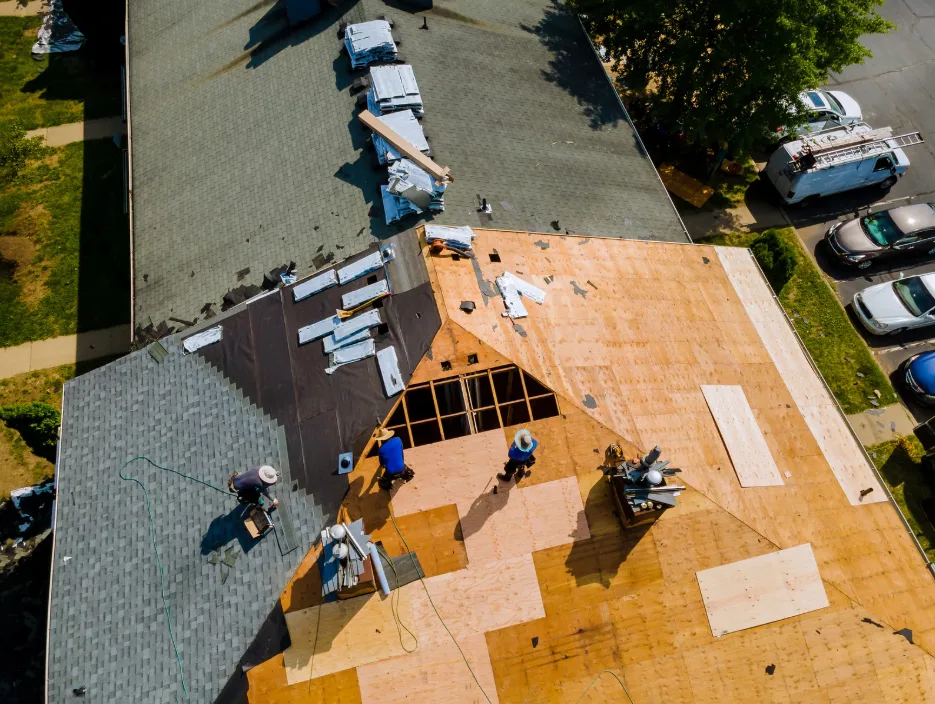
Your Roof Is Nearing the End of Its Lifespan
Many homeowners begin considering a Roof replacement when their roof reaches this stage because repairs may no longer provide a long term solution.
Shingles Are Curling, Cracking, or Missing
One of the most visible warning signs of roof deterioration is damaged shingles. Curling edges, cracked surfaces, and missing shingles indicate that the roof is no longer performing as intended.
Why Shingle Damage Matters
Shingles serve as the first line of defense against the elements. When they become damaged, water can penetrate beneath the roofing system and affect the underlying structure.
Common causes of shingle damage include:
- Prolonged sun exposure
- Severe weather conditions
- Aging roofing materials
- Poor ventilation in the attic
If damaged shingles are widespread rather than isolated, replacing the roof may be more cost effective than making repeated repairs.
Water Stains Are Appearing Indoors
Water stains on ceilings and walls often signal that moisture is entering the home through the roof. These stains may appear as yellow, brown, or dark patches and can grow larger over time.
Even a small leak can lead to significant problems if left untreated. Moisture intrusion can damage insulation, drywall, wooden framing, and electrical systems.
Areas to Check for Signs of Moisture
CeilingsLook for discoloration, bubbling paint, or sagging sections.
AtticsInspect for damp insulation, mold growth, or visible sunlight coming through the roof deck.
Interior WallsWatch for peeling paint or unexplained staining near the upper portions of walls.
Persistent leaks often indicate deeper roofing issues that cannot be solved with simple patchwork.
The Roof Is Sagging
A sagging roof is a serious structural concern that should never be ignored. Rooflines should appear straight and level when viewed from the ground.
If sections of the roof appear uneven or droop in certain areas, there may be damage to the decking or supporting framework beneath the roofing materials.
Common Causes of Roof Sagging
- Long term water damage
- Excessive weight from trapped moisture
- Structural deterioration
- Poor construction practices
A sagging roof often requires immediate professional evaluation because structural issues can worsen rapidly and create safety hazards.
What Granule Loss Means
When shingles lose their protective coating, they become more susceptible to:
- Heat damage
- Cracking
- Moisture penetration
- Premature aging
Homeowners who notice large amounts of granules after storms or during routine gutter cleaning should have their roof inspected by experienced professionals.
Rising Energy Bills Without a Clear Cause
An aging roof can negatively affect a home's energy efficiency. Damaged roofing materials may allow conditioned air to escape while permitting outdoor temperatures to influence indoor comfort levels.
As a result, heating and cooling systems must work harder to maintain a comfortable environment.
Indicators of Reduced Energy Efficiency
Uneven Indoor TemperaturesCertain rooms may feel significantly warmer or cooler than others.
Increased HVAC UsageHeating and cooling systems may run longer than usual.
Higher Utility CostsMonthly energy bills may continue to rise despite no changes in household usage.
A properly installed new roof can improve insulation performance and help regulate indoor temperatures more effectively.
Moss, Mold, or Algae Growth Is Spreading
Biological growth on roofing surfaces is more than a cosmetic concern. Moss, mold, and algae can trap moisture against roofing materials and accelerate deterioration.
Moss is particularly problematic because it can lift shingles and create pathways for water infiltration.
Conditions That Encourage Growth
- Excessive shade
- Poor drainage
- High humidity levels
- Inadequate roof maintenance
If biological growth covers large portions of the roof and has caused underlying damage, replacement may be the best long term option.
Signs Repair Costs Are Escalating
Multiple LeaksNew leaks continue appearing in different areas.
Repeated Shingle DamageThe same sections require ongoing repairs.
Increasing Maintenance ExpensesAnnual repair costs continue to rise year after year.
At a certain point, replacing the roof becomes a more practical investment than repeatedly addressing individual problems. A new roofing system offers improved durability, enhanced protection, and greater peace of mind for years to come.
FAQ
How often should a roof be inspected?
Most roofing professionals recommend a roof inspection at least once a year and after major storms. Regular inspections help identify minor issues before they become costly problems.
Can a few missing shingles mean I need a new roof?
Not necessarily. A small number of missing shingles can often be repaired. However, widespread shingle damage may indicate that the roof has reached the end of its service life.
What is the average lifespan of an asphalt shingle roof?
Most asphalt shingle roofs last between 20 and 30 years, depending on installation quality, weather exposure, and maintenance practices.
Is replacing a roof better than making repeated repairs?
When repair costs become frequent and extensive, a Roof replacement is often the more cost effective solution. It can eliminate recurring issues and provide long term protection for the home.