
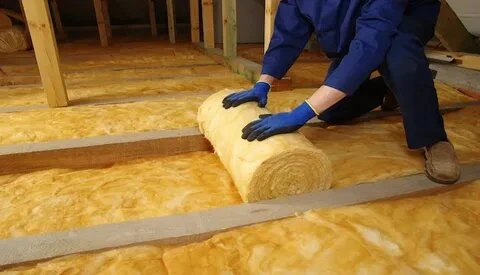
Mineral wool insulation is becoming a preferred choice for homeowners and builders due to its combination of durability, thermal efficiency, and fire resistance. Unlike traditional materials, it offers long-term benefits that improve home comfort, energy efficiency, and safety. Its growing use reflects an industry shift toward more resilient and adaptable insulation solutions.
Professional Mineral Wool Insulation services focus on tailored installation, ensuring that each home achieves maximum performance. Experienced Mineral Wool Insulation experts assess structural needs and climate conditions to deliver solutions that last for decades, making it a cost-effective choice over time.
Superior Thermal Performance
Mineral wool insulation provides consistent thermal resistance, keeping homes cooler in summer and warmer in winter. This improves comfort while reducing energy consumption.
Benefits of Thermal Efficiency
- Maintains steady indoor temperatures
- Reduces energy demand on heating and cooling systems
- Supports environmentally responsible energy use
Bonus Tip
In regions with mild winters and hot summers, thicker layers of mineral wool in attics and exterior walls offer the best results.
Fire Resistance and Safety
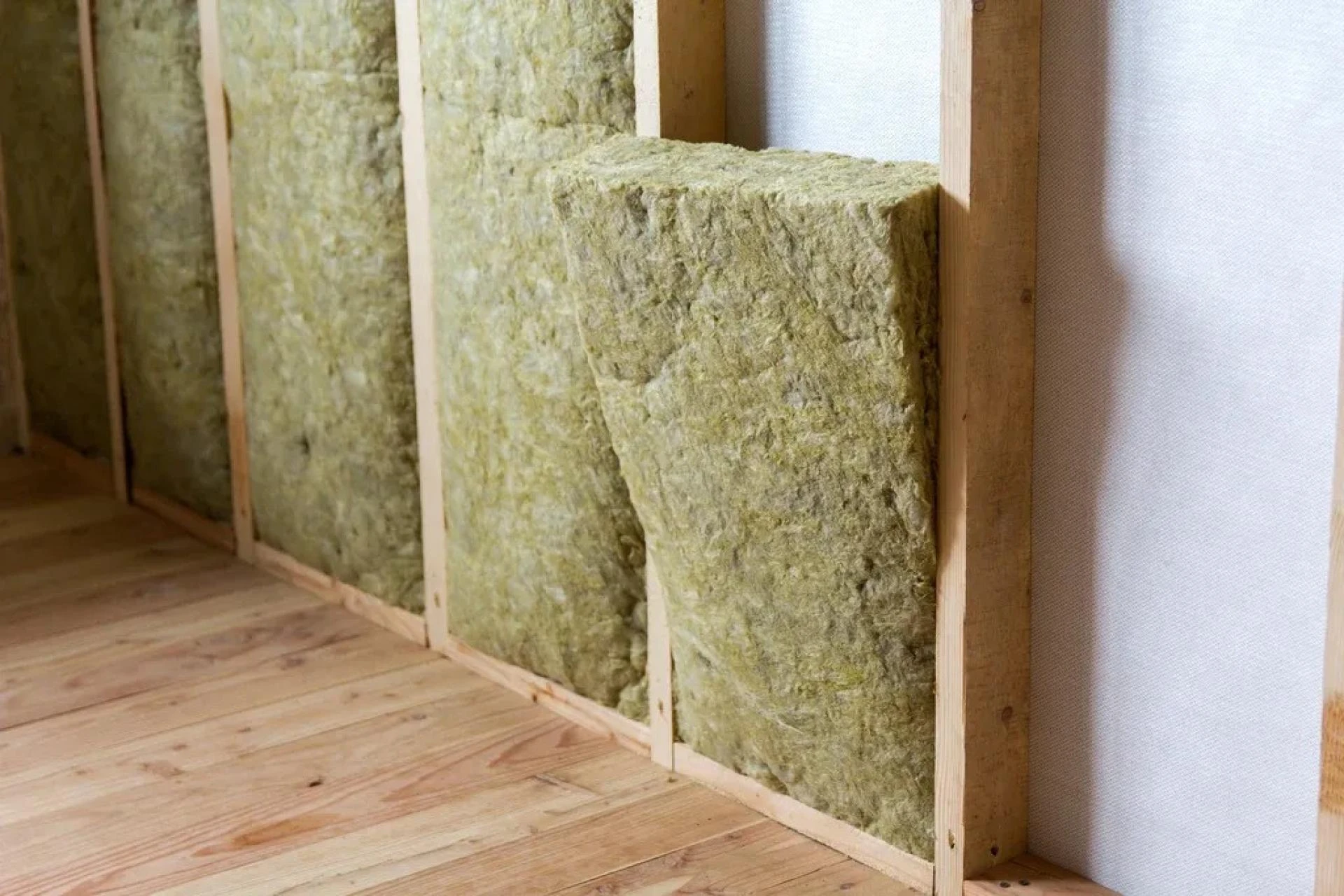
Mineral wool is non-combustible, which adds an extra layer of fire protection to homes. It can resist temperatures exceeding 1,800°F without melting, reducing fire risks.
Fire Safety Features
- Slows the spread of flames
- Protects structural elements from heat damage
- Enhances safety for occupants
Moisture and Mold Resistance
Unlike fiberglass or cellulose, mineral wool does not absorb water, which prevents mold and mildew growth. This characteristic is particularly valuable in damp climates or areas prone to leaks.
Advantages for Moisture Control
- Retains R-value even when exposed to humidity
- Limits conditions that encourage mold growth
- Reduces structural damage caused by water infiltration
Noise Reduction and Acoustic Benefits
Mineral wool is dense and fibrous, making it an effective sound absorber. Homes in urban or high-traffic areas benefit from reduced noise pollution.
Acoustic Advantages
- Minimizes external noise from streets or neighbors
- Reduces sound transfer between rooms
- Supports quiet, comfortable indoor environments
Longevity and Durability
Mineral wool maintains its performance over decades without settling or losing density. Its durability translates to fewer replacements and less maintenance over time.
Lifespan Benefits
- Lasts 50+ years under proper conditions
- Resists compression and settling
- Reduces long-term maintenance costs
Environmentally Friendly Material
Many mineral wool products are made from recycled materials, contributing to sustainable building practices. It is also fully recyclable at the end of its life cycle.
Eco-Friendly Advantages
- Made with recycled rock and slag
- Contributes to green building certifications
- Supports sustainable construction practices
Versatility in Installation
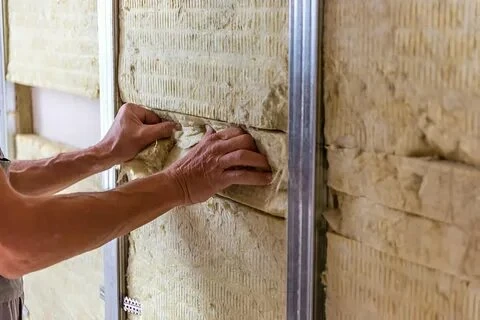
Mineral wool can be used in walls, ceilings, floors, and specialized areas like basements and attics. It adapts to irregular spaces, providing consistent coverage.
Installation Flexibility
- Can be cut and fitted to tight spaces
- Compatible with spray foam or rigid board in hybrid designs
- Works in both new constructions and retrofits
Additional Information
Experienced Mineral Wool Insulation contractor can optimize placement and density to match specific home and climate requirements, ensuring maximum energy efficiency and comfort.
Comparison of Insulation Materials
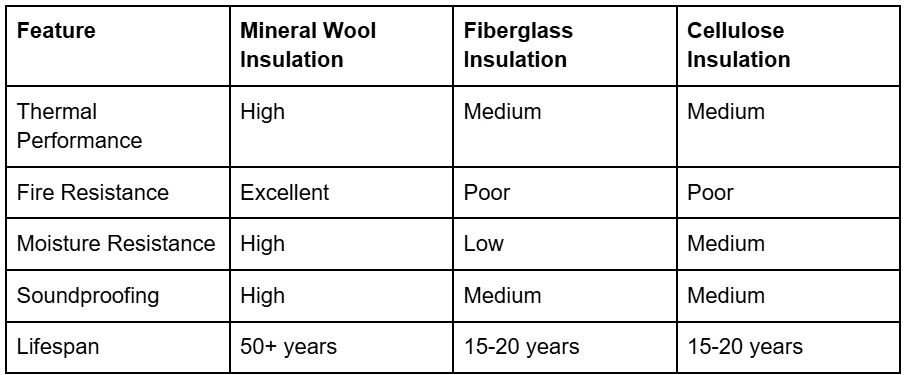
This comparison highlights why mineral wool is increasingly chosen for modern homes seeking performance, safety, and longevity.
Things to Consider Before Making a Decision
Before scheduling Mineral Wool Insulation services, homeowners should evaluate:
- Home climate and humidity: Choose products suited for local moisture conditions
- Installation complexity: Professional expertise ensures proper density and fit
- Budget and long-term savings: Higher upfront costs are offset by energy efficiency and durability
- Fire safety priorities: Mineral wool provides added protection compared with other materials
- Noise control needs: Consider dense mineral wool layers for areas requiring acoustic insulation
Bonus Tip
Pairing mineral wool with proper air sealing in attics and walls maximizes both energy efficiency and comfort in all seasons.
Summary of Key Points
Mineral wool insulation is gaining popularity due to its thermal efficiency, fire resistance, moisture control, durability, environmental benefits, noise reduction, and versatility. Proper installation by qualified experts ensures long-term comfort, energy savings, and safety for homeowners. Evaluating your home’s needs and climate ensures the best performance from mineral wool insulation.
Take Action to Enhance Home Efficiency
Homeowners interested in installing mineral wool insulation can contact Spray Foam Specialists for professional guidance. The company provides tailored Mineral Wool Insulation services and expert assessments to optimize energy performance. For consultations, email [email protected] or call (503) 713-6164 to connect with trusted Mineral Wool Insulation experts.
Questions People Ask About Mineral Wool Insulation
Is mineral wool insulation more expensive than other options
Yes, upfront costs are higher, but energy savings and durability make it cost-effective over time.
Can mineral wool resist moisture in damp climates
Yes, its water-repellent properties prevent mold growth and maintain thermal performance.
Does it improve soundproofing
Absolutely, mineral wool absorbs sound efficiently, reducing noise transfer in homes.
Is professional installation necessary
Professional Mineral Wool Insulation experts ensure correct density, fit, and coverage for maximum performance.
Can it be used in older homes
Yes, mineral wool adapts well to retrofits and irregular spaces, making it suitable for both new and older homes.