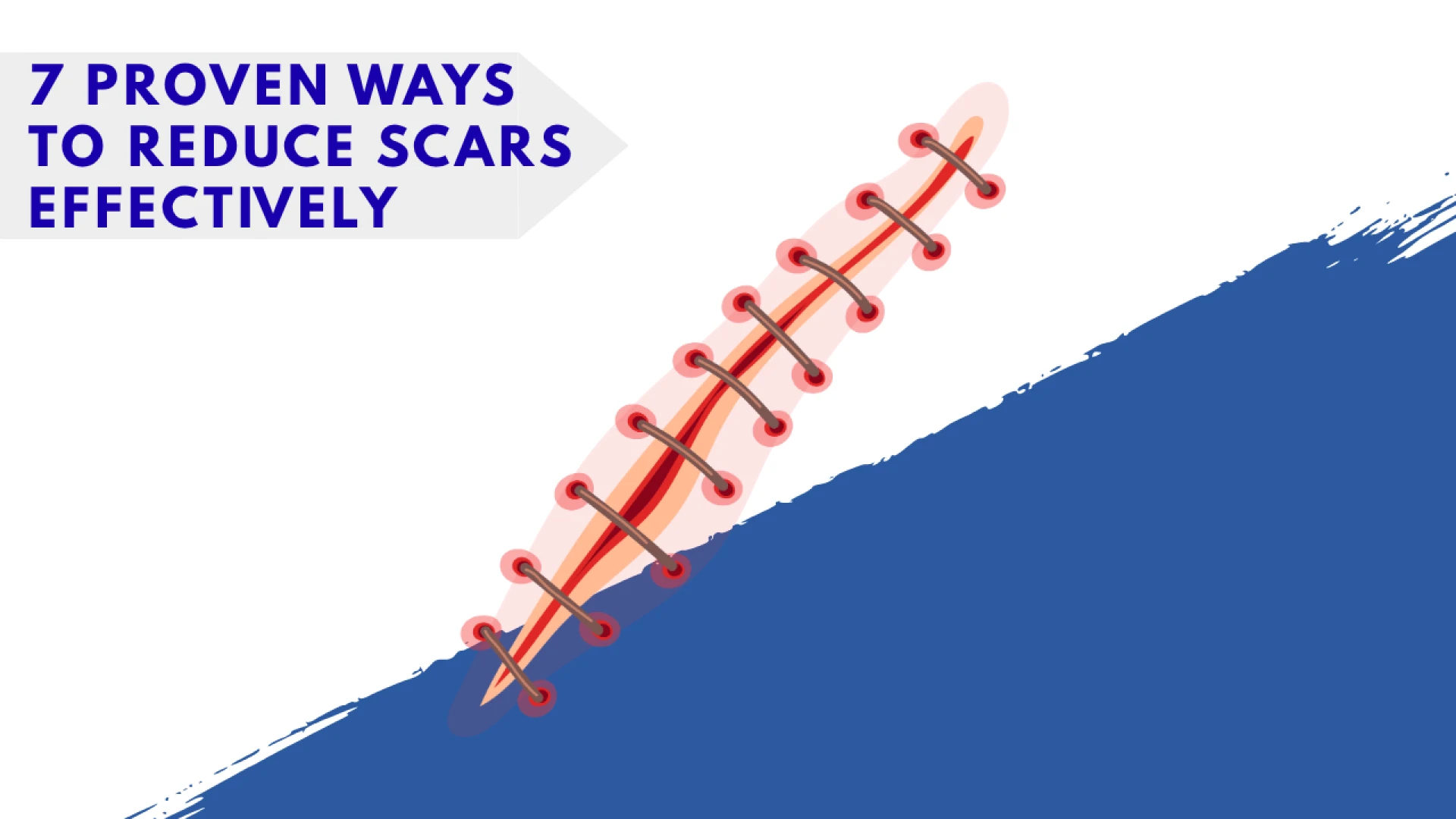
Scars are the body's natural, biological signature of healing—a sign that the skin has repaired damage caused by injury, surgery, burns, or severe acne. While they represent a completed process of restoration, scars, particularly those that are raised, discolored, or textured, can significantly impact self-confidence and appearance. Fortunately, modern dermatological science and accessible treatments in Thailand offer a comprehensive range of options for minimizing their visibility. Understanding how to reduce scars involves patience, consistency, and choosing the right method tailored to the scar's type and maturity.
The effectiveness of any scar reduction technique hinges on two key factors: the type of scar (e.g., keloid, hypertrophic, atrophic, or contracture) and the age of the scar. Treatments are generally most effective when applied early, during the active remodeling phase of the wound, which can last up to 18 months. Whether through readily available over-the-counter methods found in Thai pharmacies or advanced clinical procedures offered by the country's high-quality dermatological clinics, a strategic, multi-faceted approach offers the best chance for achieving smoother, less noticeable skin.
Early Intervention: Foundational Home Treatments
For new scars (those still pink or red, typically within the first 12 months), consistent topical and protective care is the first and most critical step in minimizing their final appearance.
Silicone Therapy (Sheets and Gels)
Silicone is widely considered the gold standard for non-invasive treatment of raised scars (hypertrophic and keloid scars). It is readily available in major pharmacies throughout Thailand.
- Mechanism of Action: Silicone sheets and gels work by creating an occlusive barrier over the scar, which achieves two things: it hydrates the scar tissue (reducing collagen overproduction) and regulates the temperature of the wound. This process helps to flatten, soften, and fade the scar tissue.
- Application: The silicone product must be worn consistently—ideally for 12 to 24 hours per day—for a minimum period of two to three months for noticeable results. Consistency is key to its efficacy.
Protection from the Tropical Sun
Sun exposure is the single worst enemy of a healing or new scar. This is especially vital advice for anyone living in or visiting Thailand, where UV intensity is high year-round.
- Hyperpigmentation Risk: UV radiation stimulates melanocytes in the new, vulnerable scar tissue, leading to excessive pigment production. This causes the scar to turn a dark brown or purple color (post-inflammatory hyperpigmentation, or PIH), making it significantly more noticeable and permanent.
- Strict Sunscreen Use: Apply a broad-spectrum sunscreen with an SPF of at least 30 (preferably 50+) directly to the scar every day, even when indoors or on cloudy days. Physical sun protection, such as wearing long sleeves, pants, or hats, is the most effective defense.
Consistent Massage and Moisturizing
Once the wound is fully closed and healed, gentle massage helps to break down dense scar tissue and increase blood flow to the area.
- Tissue Mobilization: Using a moisturizer, oil (such as pure vitamin E or natural oils found in Thai markets), or a specialized scar cream, massage the scar in circular motions for 5 to 10 minutes, several times a day. This mechanical pressure helps to align the collagen fibers that form the scar, making the tissue more flexible and pliable.
- Hydration: Keeping the scar tissue well-hydrated is crucial, as dry tissue is more rigid and prone to excessive scarring.
Targeted Clinical Treatments for Raised Scars
For scars that are raised, thick, or expanding (keloid and hypertrophic), topical treatments alone are often insufficient. Thai dermatology clinics offer effective medical interventions.
Corticosteroid Injections
Intralesional corticosteroid injections are one of the most effective non-surgical treatments for flattening and softening raised scars.
- Mechanism of Action: A potent steroid (usually triamcinolone acetonide) is injected directly into the scar tissue. The steroid reduces inflammation, slows the production of collagen, and breaks down the excessive matrix that causes the scar to be raised and firm.
- Procedure: The treatment involves a series of injections, typically spaced four to six weeks apart. While the injections can be temporarily uncomfortable, they often provide significant and visible flattening after just a few sessions.
Pressure Therapy and Cryotherapy
These methods rely on physical manipulation of the scar tissue to inhibit overgrowth.
- Pressure Therapy: This involves wearing specialized garments or silicone sheeting that applies continuous, direct pressure to the scar for up to 24 hours a day. The pressure reduces blood flow to the area, suppressing the fibroblasts that produce collagen. This is most often used for large scars from burns or major surgery.
- Cryotherapy: This involves freezing the scar tissue using liquid nitrogen. The intense cold damages the cells (fibroblasts) responsible for producing the excess collagen, causing the scar to flatten over time. Cryotherapy is often effective for smaller, stubborn keloids and is typically performed over multiple sessions.
Advanced Procedures for Atrophic (Depressed) Scars
Atrophic scars, such as those left by severe acne or chickenpox, are sunken or pitted because the skin’s underlying support structure (collagen) was destroyed. These require treatments that stimulate new tissue growth.
Microneedling and Radiofrequency (RF) Microneedling
Microneedling is a popular treatment in Thailand for stimulating collagen production and improving the appearance of depressed scars.
- Mechanism of Action: The procedure uses tiny needles to create controlled micro-injuries in the skin. This triggers the body's natural wound-healing response, leading to the production of new collagen and elastin, which fill out the depressed scar tissue.
- RF Microneedling Advantage: Adding Radiofrequency energy to the microneedling treatment delivers heat deep into the dermis, dramatically enhancing collagen remodeling and providing superior results for severe boxcar and rolling acne scars. Multiple treatments are necessary for optimal results.
Dermal Fillers and Subcision
For immediate improvement in rolling or depressed acne scars, specific injectable treatments can provide immediate volume correction.
- Dermal Fillers: Injecting hyaluronic acid (HA) fillers directly under depressed scars provides instant lift and volume, making the pit or depression level with the surrounding skin. This is a temporary solution, lasting anywhere from 6 to 18 months, depending on the type of filler used.
- Subcision: This procedure is often combined with fillers or microneedling. A needle is inserted under the scar to manually break the tough, fibrous bands that are tethering the scar down to the underlying tissue. Once these bands are released, the scar can rise, and the area can be filled more effectively.
A Personalized Path to Smoother Skin
Successfully figuring out How to Reduce Scars is a long-term project that requires professional guidance, especially given the variety of scar types and the need to address the high risk of hyperpigmentation inherent in the tropical climate of Thailand. Whether you are treating a fresh surgical incision with daily silicone gel and diligent sun protection, or addressing stubborn, old acne scars with advanced procedures like RF microneedling and subcision, consistency is paramount. By consulting with a qualified Thai dermatologist, you can receive a personalized treatment plan that strategically combines early intervention techniques with targeted professional procedures, ensuring the best possible outcome for smoother, clearer skin.
FAQs
Can old scars (over two years) still be effectively reduced?
Yes, old scars can still be significantly improved, but the process is more challenging because the collagen has matured and set. Older scars typically require clinical treatments that actively damage and rebuild the collagen, such as laser resurfacing, chemical peels, subcision, or microneedling, as simple topical creams or silicone will have limited effect.
Why is sun protection so critical for scars in Thailand?
Sun protection is critical because new scar tissue is highly vulnerable to UV damage. Exposure to the intense tropical sun stimulates melanin production, causing the scar to permanently darken (hyperpigmentation). This darkening makes the scar much more visible than the original injury. Daily use of SPF 50+ and physical covering is non-negotiable for any scar less than two years old.
What is the difference between a Hypertrophic and a Keloid scar?
A Hypertrophic scar is a raised, red, and firm scar that stays confined to the original boundaries of the wound. A Keloid scar is a tougher, often darker, and more aggressive scar that grows beyond the borders of the original injury, invading the surrounding healthy skin. Keloids are more challenging to treat and often require corticosteroid injections or surgical excision combined with radiation therapy.
For atrophic acne scars, which method offers the most permanent improvement?
For deep, atrophic acne scars (pitted or sunken scars), treatments that rebuild collagen offer the most permanent results. RF Microneedling (often combined with subcision) and Fractional Laser Resurfacing are considered the gold standards. While dermal fillers offer immediate, temporary correction, these energy-based methods provide true, long-lasting improvement by regenerating the skin's underlying support structure.