In 2026, smartphone repairs continue to grow as consumers and businesses look for cost-effective alternatives to replacing entire devices. As iPhone prices remain high, more people are choosing screen replacements to extend the lifespan of their devices. This trend has increased demand for replacement screens, making it more important than ever to make informed purchasing decisions when you Buy iPhone LCD displays.
However, not all LCD screens are created equal. Choosing the wrong display can lead to compatibility issues, poor touch performance, display defects, and unnecessary repair costs. Whether you're a repair technician, reseller, educational institution, or individual buyer, understanding common mistakes can help you secure better quality screens and maximize your investment.
1. Buying Based on Price Alone
One of the most common mistakes people make when they Buy iPhone LCD screens is focusing only on the lowest price.
While cheap displays may seem attractive, they often come with compromises such as:
- Poor brightness levels
- Inaccurate colors
- Weak touch sensitivity
- Reduced durability
- Higher defect rates
A low-cost screen that fails shortly after installation can create additional repair expenses and dissatisfied customers.
Instead of looking for the cheapest option, focus on overall value, including warranty coverage, testing standards, and supplier reputation.
2. Ignoring Compatibility Requirements
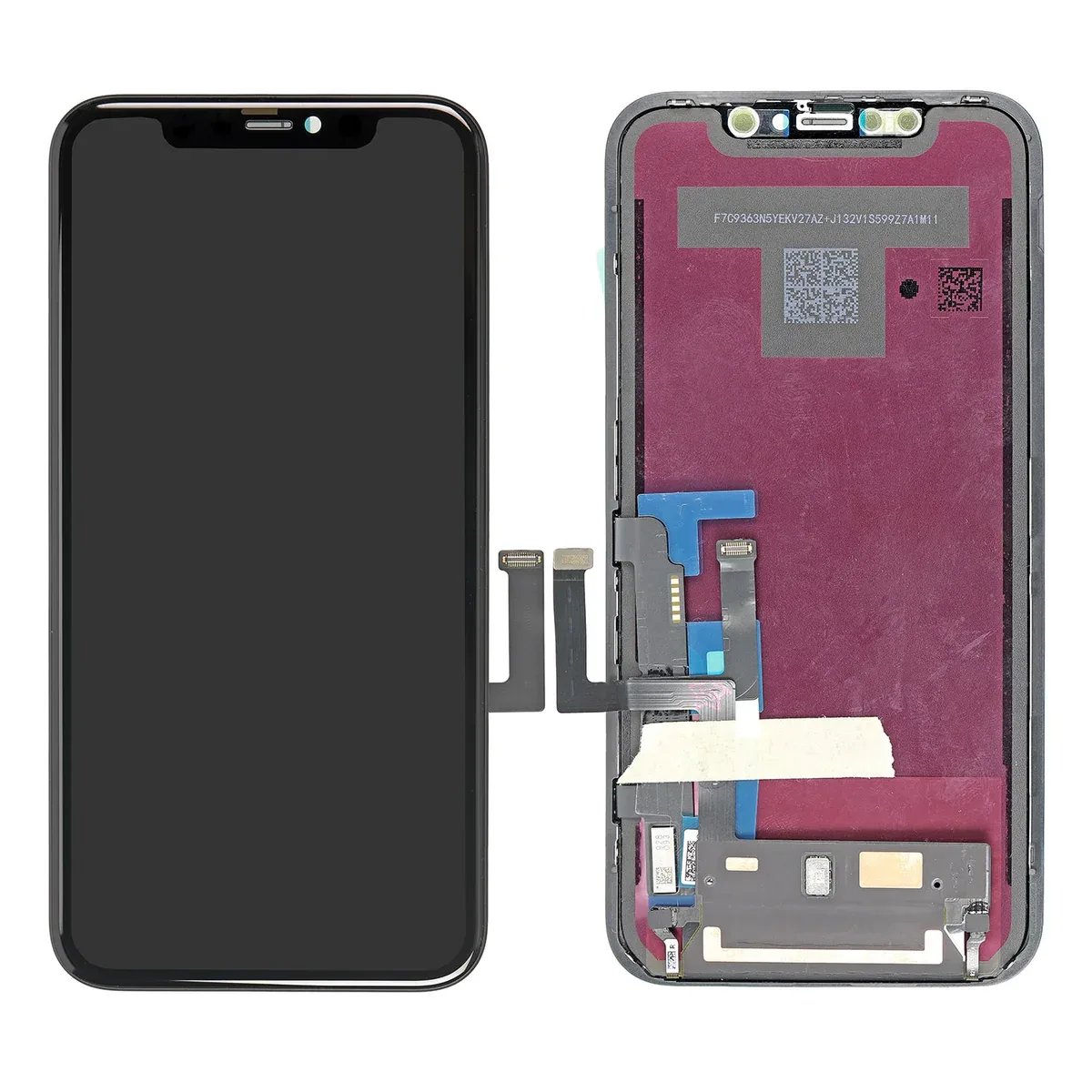
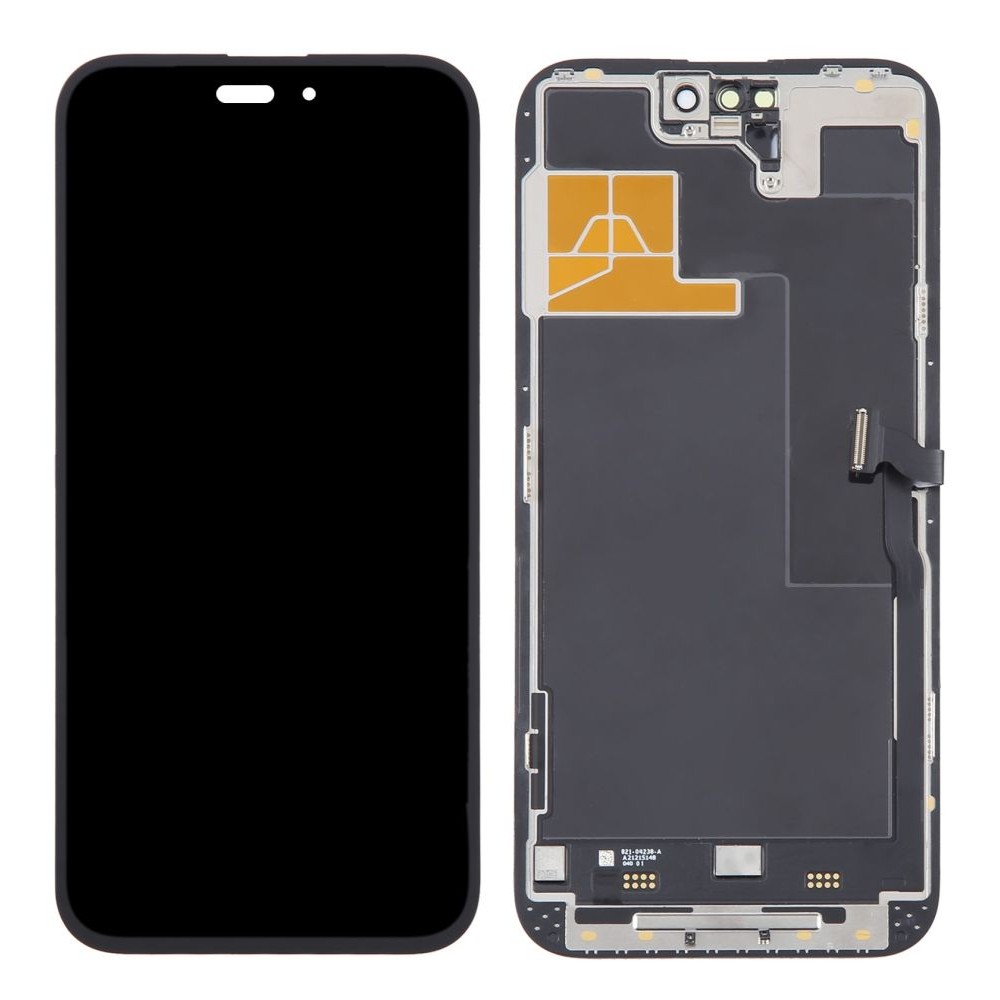
Not every screen works with every iPhone model.
Many buyers mistakenly assume screens from similar models are interchangeable. Even slight differences can affect installation and performance.
Before purchasing, verify:
- Exact iPhone model number
- Screen generation
- Connector compatibility
- Display specifications
When you Buy iPhone LCD displays, checking compatibility first helps prevent returns, installation delays, and customer complaints.
3. Overlooking Display Quality Grades
The LCD replacement market typically includes multiple quality grades.
These may include:
- Original equipment quality
- Refurbished screens
- Premium aftermarket displays
- Budget aftermarket screens
Failing to understand these categories often leads to unrealistic expectations.
For example, a budget aftermarket display may function adequately but may not match the brightness, color accuracy, or responsiveness of an original screen.
Understanding grading systems allows buyers to choose the right balance between cost and performance.
4. Choosing Unverified Suppliers
Supplier selection is one of the most important factors when purchasing replacement screens.
Unfortunately, some suppliers offer inconsistent quality, poor customer service, or misleading product descriptions.
Before placing an order, evaluate:
- Customer reviews
- Industry reputation
- Warranty policies
- Return procedures
- Product testing processes
Reliable suppliers invest heavily in quality control and transparency, helping customers avoid costly mistakes.
For businesses and repair centers that regularly Buy iPhone LCD products, establishing long-term supplier relationships often leads to better pricing and support.
5. Ignoring Warranty and Return Policies
Even high-quality LCD screens can occasionally arrive damaged or defective.
Many buyers focus solely on specifications while overlooking warranty protection.
A good supplier should offer:
- Product warranty
- Easy return procedures
- Technical support
- Replacement options
Strong warranty coverage reduces financial risk and demonstrates supplier confidence in their products.
Institutions and repair businesses should prioritize vendors with clearly documented warranty terms.
6. Failing to Test Screens Before Installation
One costly mistake is installing a screen immediately without testing it first.
Pre-installation testing can identify:
- Dead pixels
- Touchscreen issues
- Display flickering
- Brightness problems
- Connector faults
Repair professionals often perform quick functionality checks before final assembly.
This practice saves time and helps avoid unnecessary labor costs associated with reinstalling defective parts.
Organizations managing large repair operations should implement standardized testing procedures for every screen received.
7. Not Considering Long-Term Reliability
Many buyers focus on immediate cost savings without evaluating long-term performance.
A display that works initially may experience issues after several weeks if manufacturing standards are poor.
Factors affecting long-term reliability include:
- LCD panel quality
- Connector durability
- Adhesive strength
- Manufacturing consistency
- Quality control procedures
When you Buy iPhone LCD displays, investing in reliable components often reduces future warranty claims and improves customer satisfaction.
Best Practices for Schools, Repair Centers, and Organizations
Educational institutions, repair businesses, and corporate IT departments frequently purchase replacement screens in bulk.
Following structured procurement practices can improve efficiency and reduce costs.
Establish Approved Vendor Lists
Create a list of trusted suppliers based on quality, consistency, and support.
Standardize Quality Requirements
Define minimum standards for brightness, touch sensitivity, and warranty coverage.
Implement Incoming Inspection Procedures
Test screens before they enter inventory to identify defects early.
Monitor Supplier Performance
Track failure rates, returns, and customer feedback regularly.
Train Technical Staff
Ensure technicians understand compatibility requirements and testing protocols.
Organizations that optimize procurement processes often experience lower repair costs and higher operational efficiency.

Ready to Source Better iPhone LCD Displays?
Making informed purchasing decisions can significantly improve repair outcomes, customer satisfaction, and long-term cost savings. Whether you're sourcing replacement screens for personal repairs, retail resale, or large-scale repair operations, avoiding these common mistakes can help you achieve better results.
If you're looking for reliable guidance on selecting high-quality displays, don't hesitate to Contact Us to learn more about available options, quality standards, and sourcing solutions tailored to your needs.
Trusted suppliers continue to raise industry standards by prioritizing testing, transparency, and customer support. Companies like LCD BUYER have built strong reputations by helping businesses and individuals access dependable screen solutions while supporting innovation and quality within the mobile repair industry.
Frequently Asked Questions
1. What should I check before I buy iPhone LCD screens?
Before purchasing, verify the exact iPhone model, display compatibility, quality grade, warranty coverage, and supplier reputation. These factors help ensure a successful installation and reliable performance.
2. Are aftermarket iPhone LCD displays good quality?
Many premium aftermarket screens offer excellent performance. However, quality varies significantly between suppliers, so it's important to purchase from reputable vendors with strong testing procedures.
3. How can I tell if an iPhone LCD is compatible with my device?
Check the device model number and confirm compatibility specifications provided by the supplier. Connector types and display generations must match your specific iPhone model.
4. Why do some iPhone LCD displays cost more than others?
Pricing differences often reflect variations in manufacturing quality, testing standards, warranty coverage, and display performance. Higher-quality screens generally offer better reliability and longevity.
5. Should repair shops buy iPhone LCD displays in bulk?
Yes. Bulk purchasing can reduce costs and improve inventory management, especially when working with trusted suppliers that offer consistent quality and support.