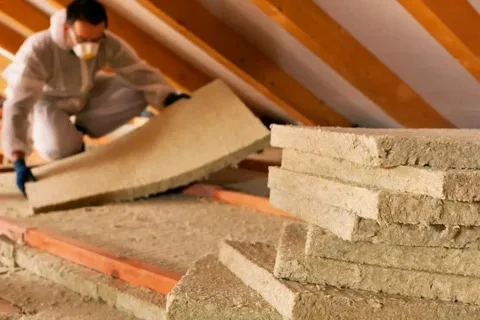
Involving Mineral wool insulation offers a unique combination of fire safety, acoustic dampening, and thermal efficiency for modern building projects. It consists of molten rock or slag spun into dense fibers that do not melt easily or lose their shape over time. Professionals prioritize this material when they need to meet high-performance standards in commercial and residential structures.
This guide details the specific factors that influence how designers integrate mineral wool into their building plans. It focuses on technical aspects like vapor permeability and structural density to help contractors achieve the best results on the job site. Maria Lopez provides practical insights based on years of industry experience to ensure the information is helpful for daily field operations.
By understanding these considerations, builders can avoid common installation mistakes and improve the overall longevity of the insulation system. The material serves as more than just a temperature barrier; it acts as a functional component of the building envelope. Using the right design approach ensures that every project benefits from the natural properties of stone-based fibers.
1. Thermal Resistance and R Value Stability
Designers must consider how an insulation material performs throughout the entire lifespan of a building. Mineral wool is known for having a stable R-value that does not degrade with age or as temperatures change. This consistency allows for more accurate energy modeling during the early stages of a project.
The material's fibrous structure prevents air convection within the wall cavity, helping maintain a steady indoor environment. This stability is constructive in regions with extreme seasonal temperature swings. Builders rely on this performance to ensure that energy bills remain predictable for the property owners.
Managing Thermal Bridging with High-Density Boards
Standard wood or steel studs often act as bridges, allowing heat to bypass the insulation in the wall cavities. Using rigid mineral wool boards as continuous exterior insulation can effectively break these thermal bridges. This method creates a wrap around the structure that significantly improves the assembly's total effective R-value.
Thermal bridging can account for a significant portion of heat loss in modern buildings if not addressed during the design phase. Rigid boards are strong enough to support various types of cladding while still providing the necessary thermal break. This dual purpose makes them a favorite for architects working on high-performance building envelopes.
Long-Term Thermal Performance Factors
- Mineral wool does not require blowing agents that can off-gas and reduce the R-value over time.
- The material remains effective even if it becomes slightly damp, provided it is allowed to dry out.
- Its resistance to high heat prevents it from shrinking or deforming when installed near heat-producing equipment.
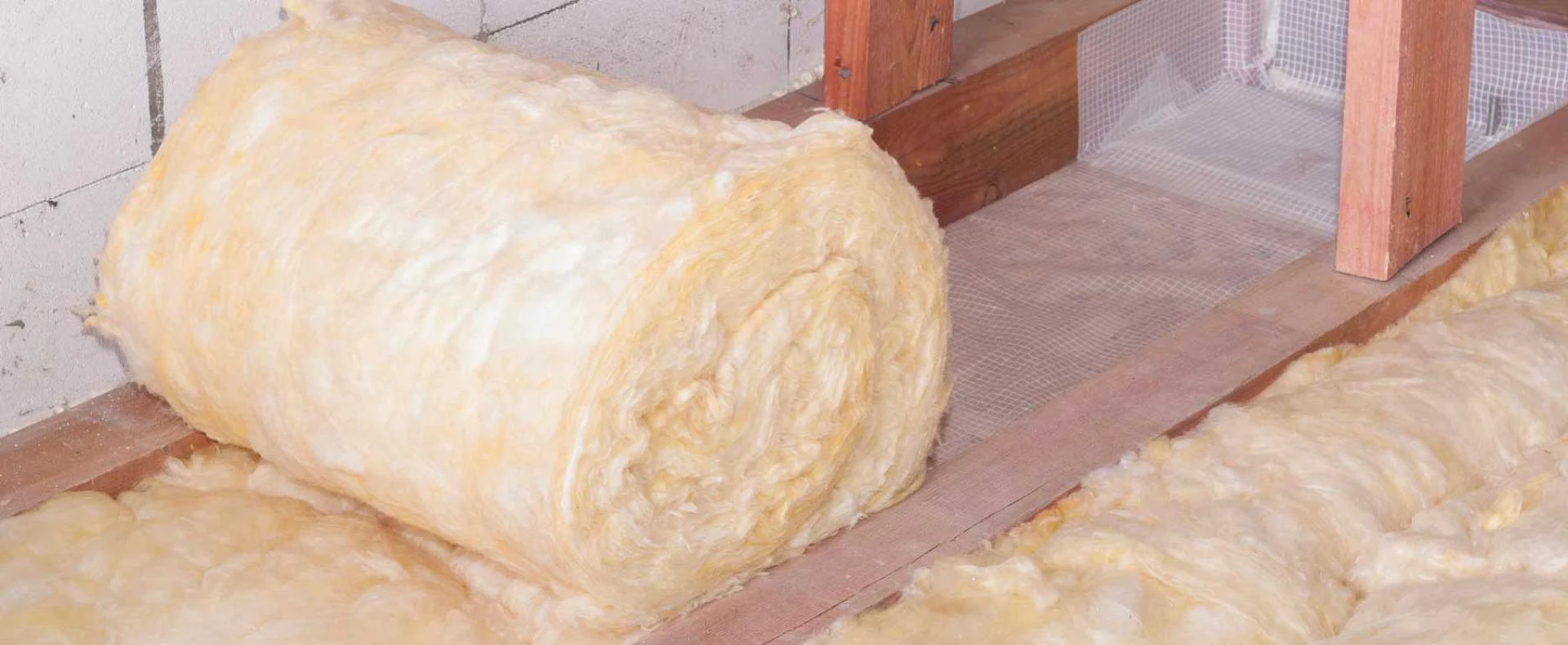
- The physical density of the batts prevents sagging, which keeps the thermal barrier intact at the top of wall cavities.
2. Fire Resistance and Non-Combustible Properties
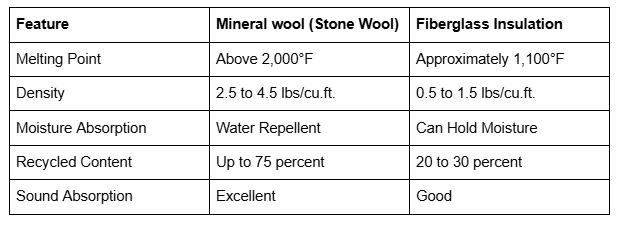
Safety is a primary design consideration, and mineral wool excels at resisting extreme temperatures. It is classified as a non-combustible material because it can withstand heat exceeding 2,000 degrees Fahrenheit without melting. This property makes it an essential component for fire-rated wall assemblies and floor-to-ceiling junctions.
In many commercial designs, this insulation serves as a firestop, preventing the spread of flames between areas of a building. It does not produce toxic smoke or contribute fuel to a fire, which can provide extra time for occupants to escape. Designers often specify it in high-density areas where safety codes are the most demanding.
3. Acoustic Control and Sound Attenuation
The dense, irregular nature of the fibers makes mineral wool an excellent material for sound absorption. Designers use it to improve the Sound Transmission Class (STC) ratings of interior partitions between bedrooms or offices. It is much more effective at blocking low-frequency noise than lighter insulation materials.
Acoustic privacy is a major concern for multi-family housing and office environments where noise transfer can be a nuisance. By filling the wall cavity with stone wool, builders can create a quieter indoor atmosphere. This material is also used in ceiling assemblies to reduce the sound of footsteps from floors above.
Bonus Tip for SoundproofingWhen designing for sound control, always ensure that the insulation is combined with proper sealing of air gaps. Sound travels through air, so even a small gap around an outlet or pipe can degrade a wall's acoustic performance. Using mineral wool in conjunction with acoustic sealant provides the best results for quiet living spaces.
4. Moisture Management and Vapor Permeability
A wall's ability to dry out is vital to preventing mold and structural rot over time. Mineral wool is highly vapor-permeable, which means it allows moisture to pass through rather than trapping it inside the wall. This breathability is a key feature for buildings in humid climates or areas with high rainfall.
The fibers are naturally water-repellent, so the material does not soak up water like a sponge. If it does get wet during construction, it can be dried out and will return to its original performance level. This resilience helps maintain a healthy indoor environment by reducing the risk of moisture-related issues.
Comparison of Common Insulation Materials
Understanding the differences between mineral wool and other popular options helps designers make the right choice for their specific climate. The following table highlights the technical differences between stone wool and fiberglass.
5. Structural Density and Compression Resistance
The physical strength of mineral wool allows it to be used in ways that softer materials cannot. Rigid stone wool boards are often used under roof membranes or in rainscreen systems because they can handle moderate compression. This structural integrity ensures that the insulation layer remains flat and effective under the weight of other materials.
Designers can specify different densities based on the mechanical requirements of the specific building area. Higher-density boards are used where foot traffic might occur, while lighter batts are used for standard wall cavities. This versatility makes it a comprehensive solution for various parts of the building envelope.
6. Material Compatibility and Hybrid Systems
Modern designs often combine different insulation types to get the benefits of each. For example, some builders use a layer of spray foam for air sealing, then add mineral wool for fire protection and sound damping. This hybrid approach allows for a very efficient and safe building assembly.
It is important to ensure that all materials in a hybrid system are compatible with respect to vapor movement. Designers must verify where the dew point falls within the wall to prevent condensation between layers. When planned correctly, these systems provide some of the highest performance levels available in the industry.
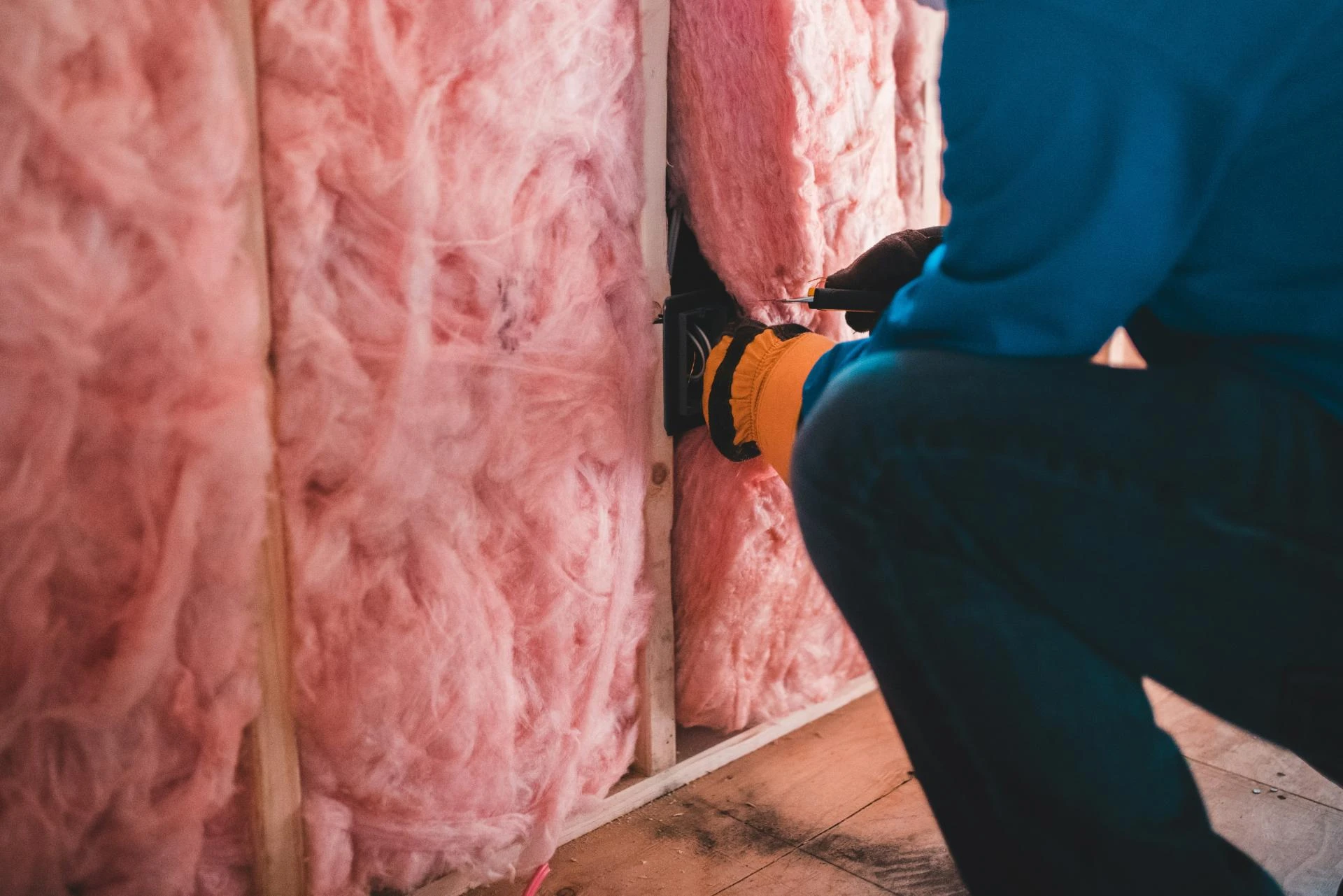
They suggest using a flash-and-batt technique, in which a 1-inch layer of closed-cell spray foam provides the air seal. Adding a mineral wool batt over the foam then provides the necessary R-value and fire resistance at a lower cost than a full foam application. This method is gaining popularity for its balance of performance and budget.
7. Sustainable Sourcing and Recycled Content
Environmental impact is an increasingly important design consideration for many property owners. Mineral wool is often made from basalt rock and recycled slag, which is a byproduct of steel production. Recent market data shows that a typical stone wool product can contain up to 75 percent recycled material.
This high recycled content helps buildings earn points in various green building certification programs. The material's durability also means it does not need to be replaced as often as other products, reducing long-term waste. It is a sustainable choice that aligns with modern environmental goals.
Things to Consider Before Making a Decision
Before selecting mineral wool for a project, designers should consider the project's specific budget and labor requirements. While the material cost may be higher than some alternatives, the added fire and sound benefits often justify the investment. Property owners should consider the long-term value of a safer and quieter building.
They should also evaluate the local labor force's skill, as mineral wool requires precise cutting for a proper friction fit. If there are gaps between the batts and the studs, the thermal and acoustic performance will suffer. Consider the following factors during the planning phase:
- The weight of high-density boards may require special fasteners when used on the exterior of a building.
- Cutting mineral wool produces dust, so proper personal protective equipment is a must for all workers.
- Ensure that the wall thickness in the design can accommodate the required R-value without over-compressing the fibers.
- Verify that the chosen product meets the local fire code requirements for the specific building type.
Questions People Ask About Mineral Wool Insulation
Experts frequently answer questions about how this material compares to traditional options. Providing clear answers helps contractors and homeowners feel more confident in their design choices.
Is mineral wool insulation waterproof?
The fibers are naturally water-repellent and do not absorb moisture through capillary action. While it is not a waterproof barrier, it will not sag or lose its structure if it gets damp. It is designed to be vapor-permeable, allowing any moisture to escape the wall cavity easily.
Does mineral wool attract pests or rodents?
No, the inorganic nature of the stone and slag fibers does not provide a food source for insects or rodents. The material's dense structure also makes it difficult for small animals to tunnel through or nest inside. This helps maintain the integrity of the insulation layer over time.
Can I use mineral wool in a basement?
Yes, it is an excellent choice for basement walls because of its moisture resistance and breathability. It helps manage humidity levels in below-grade spaces and provides essential fire protection. It should be used in conjunction with a proper foundation drainage system for the best results.
Is it difficult to install compared to fiberglass?
Mineral wool is more rigid than fiberglass, which makes it easier to cut with a serrated knife for a precise fit. It stays in place without staples or wires, thanks to its friction-fit design. However, it is heavier, so installers may need to adjust their handling techniques.
Does it contain formaldehyde or harmful chemicals?
Many modern mineral wool products are made with bio-based binders and do not contain added formaldehyde. Designers should check the manufacturer's data sheets to confirm the product's specific chemical composition. It is generally considered a low-emitting material for indoor air quality.
Final Thoughts on Design Integration
Integrating mineral wool into a building design requires balancing thermal, acoustic, and fire-safety goals. The material provides a stable, durable solution that addresses many of the challenges in modern construction. By focusing on the 7 design considerations mentioned above, professionals can ensure their projects are efficient and long-lasting.
Property owners should evaluate their specific needs for sound privacy and fire protection when choosing insulation. While every building is different, the versatility of stone wool makes it a strong candidate for almost any environment. Taking the time to plan the installation details will result in a more comfortable, safer structure for all occupants.
Professional Insulation Resources and Support
For those seeking expert guidance on insulation systems, consulting with an experienced provider is a vital step. They can offer insights into the best materials for specific climates and building types to ensure maximum performance. Readers can contact Spray Foam Tech for professional advice on their next project. They are available by phone at (737) 777-9590 or via email at [email protected] to discuss project details and provide estimates. Their team focuses on delivering high-quality insulation solutions that help property owners achieve better energy efficiency and safety through expert application and modern building science.
Reviewer: Maria Lopez reviewed the article and brought 12 years of insulation industry experience to improve the guidance. Practical tips were added, and the content was made clearer and more useful for contractors working in the field every day.