
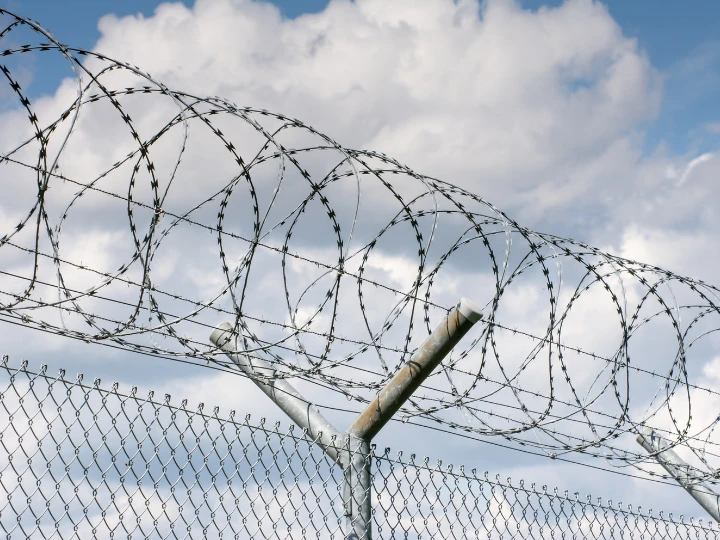
Security planning for critical infrastructure requires careful assessment of risks, compliance obligations and operational demands. When organisations invest in data centre fencing, the goal is to create a strong perimeter that protects sensitive equipment, controls access and supports long term reliability. Facilities used for government, logistics, education and construction operations require fencing systems that balance visibility, durability and intrusion resistance.
Below are seven important design tips to consider when planning secure perimeter solutions for high risk sites.
1. Define the Security Risk Level
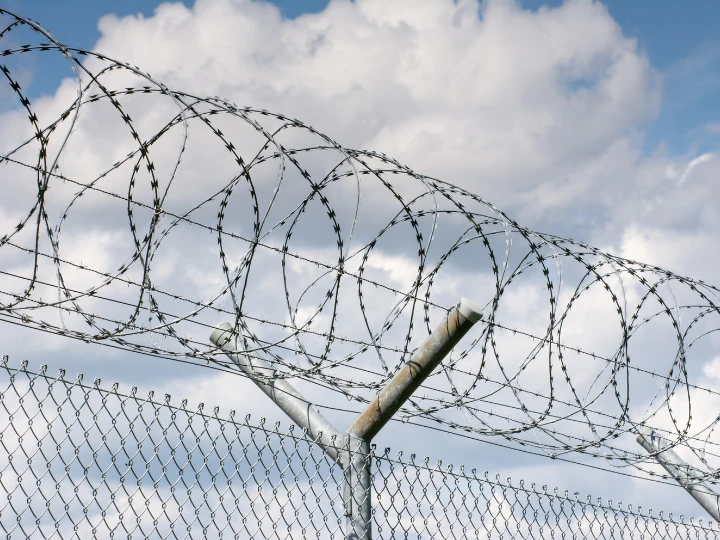
The first step in designing an effective perimeter is understanding the threat level. Data centres often store critical digital infrastructure, making them attractive targets for theft, vandalism or unauthorised access. A detailed risk assessment should evaluate public exposure, nearby transport corridors and operational sensitivity.
Higher risk environments may require layered protection, including external boundaries and internal secure zones. Planning for multiple security layers helps reduce vulnerability and improves response time.
2. Select High Security Mesh Design
Fence selection plays a major role in preventing climbing and tampering. Tight aperture mesh designs are commonly used to remove footholds while maintaining clear sightlines for surveillance systems. This improves monitoring and reduces blind spots around buildings, power infrastructure and cooling equipment.
Rigid welded panels also increase structural strength. When combined with anti tamper fixings, cutting or dismantling becomes significantly more difficult.
3. Integrate Secure Gate Systems
Entry points are often the most vulnerable areas of any perimeter. Properly designed gate systems should match the strength and performance of the surrounding fence. Sliding or cantilever gates are commonly used for high traffic environments because they allow smooth operation and reduce ground interference.
Automated access control systems such as swipe cards, biometric readers and remote monitoring should be integrated during planning. This ensures the data centre fence operates efficiently while maintaining strict security control.
4. Consider Height and Anti Climb Features
Fence height is a key design factor for government and commercial facilities. Taller systems create a stronger visual deterrent and make scaling more difficult. Anti climb features such as small apertures, angled extensions and secure post spacing further enhance protection.
Designers should also ensure there are no gaps beneath panels. Proper ground clearance and alignment prevent unauthorised access and improve overall perimeter integrity.
5. Use Durable Materials for Long Term Performance
Critical infrastructure requires fencing that can withstand harsh weather and continuous use. Steel is commonly selected due to its strength and durability. Galvanised finishes protect against corrosion, while powder coating improves longevity and appearance.
These protective coatings are especially important for coastal or industrial environments. Long lasting materials reduce maintenance costs and ensure consistent security performance over time.
6. Plan for Surveillance Integration
Modern facilities rely heavily on surveillance systems. Fencing should support camera placement and maintain clear visibility across the perimeter. Mesh designs allow cameras to monitor both sides of the boundary without obstruction.
Lighting placement should also be considered during planning. Well positioned lighting improves night time visibility and enhances overall security effectiveness.
7. Ensure Compliance and Site Specific Design
Government and commercial projects in Australia must meet engineering and safety standards. Wind load requirements, ground conditions and access routes should be assessed before installation. Professional planning ensures the fence remains stable and compliant.
Site specific factors such as uneven terrain, underground services and vehicle access also influence final design. Early evaluation helps prevent delays and ensures efficient project delivery. Organisations searching for data centre fencing & gates near me should prioritise experienced contractors who understand these requirements.
Designing a secure perimeter for critical infrastructure involves careful planning and engineering. From selecting strong mesh panels and integrating access control to ensuring compliance and durability, every detail contributes to long term protection. A well designed data centre fencing solution helps safeguard assets, control entry points and support operational continuity across government, logistics and commercial environments.
FAQs
1. What is data centre fencing used for?
Data centre fencing is used to secure critical infrastructure by preventing unauthorised access and protecting sensitive equipment.
2. What features should a data centre fence include?
A data centre fence should include anti climb mesh, strong posts, secure gates and compatibility with surveillance systems.
3. Where is data centre fencing typically installed?
Data centre fencing is commonly installed around government facilities, logistics hubs, education campuses and infrastructure sites.
4. Do data centre fencing & gates near me require compliance checks?
Yes, data centre fencing & gates near me must meet engineering standards, safety requirements and site specific regulations.
5. How tall should a data centre fence be?
The height of a data centre fence depends on risk level, but taller systems provide stronger deterrence and improved perimeter security.