
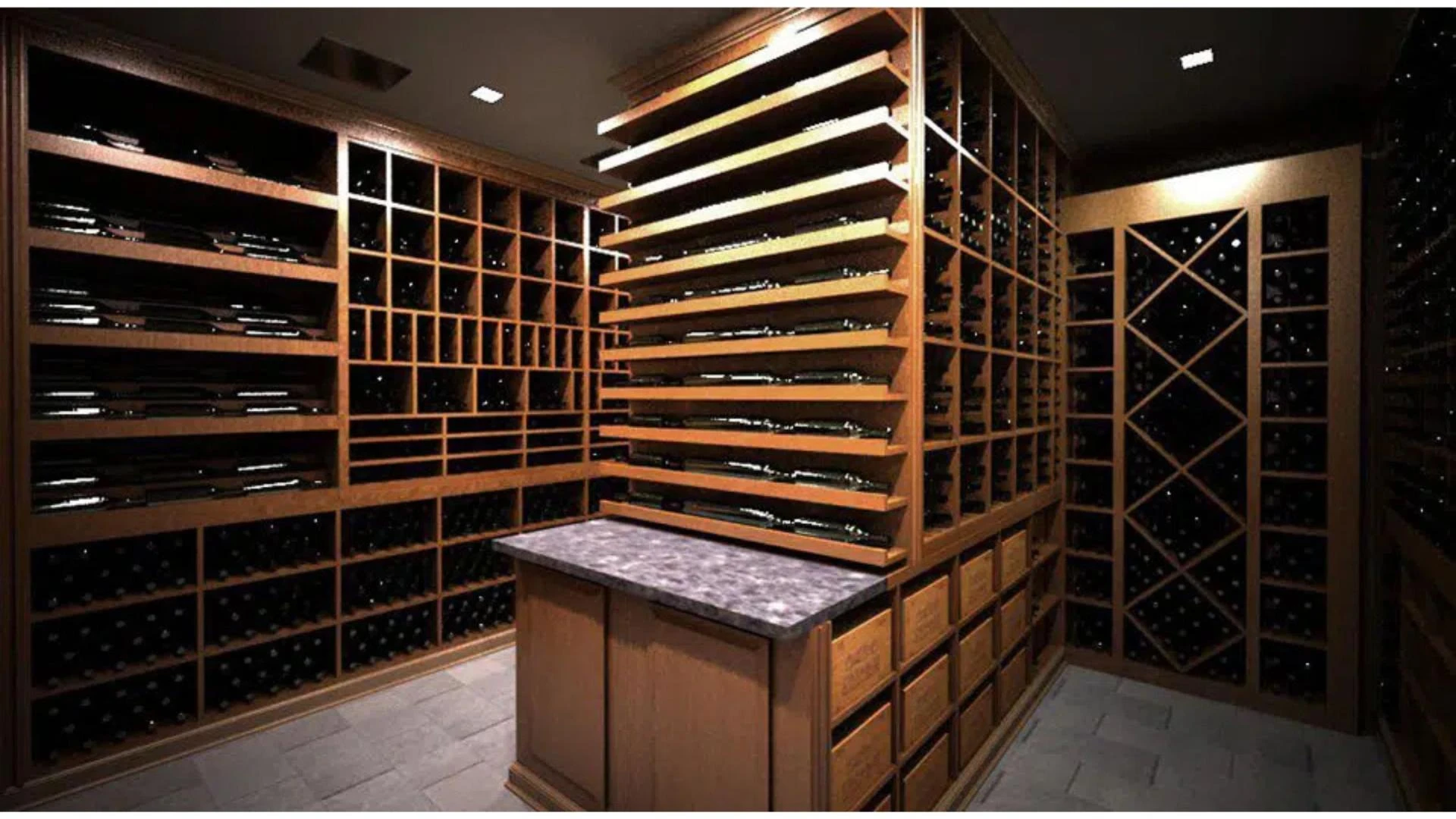
Wine lovers know that storing wine the right way is very important. A bottle can last for many years if it stays in the right place. That is why many homeowners think about building a wine cellar in their homes. A good wine cellar keeps bottles safe, cool, and protected from light and heat.
However, many people jump into the project without enough planning. They focus on looks but forget the basics. Later, they face problems like spoiled wine, broken racks, or rising energy bills. Nobody wants that.
The good news is that most mistakes are easy to avoid if you know what to watch out for. In this guide, we will walk through seven common pitfalls people face when creating a wine cellar in 2026. If you keep these tips in mind, your cellar can work well and look great too.
1. Jumping In Without a Plan
Many people get excited and rush into the project. They start thinking about fancy racks, lighting, or stone walls. But hold your horses. A wine cellar needs a proper plan first. Think about how many bottles you want to store. Also think about future space. Your collection may grow over time. Planning helps you avoid costly changes later. It also helps you choose the right cooling system and storage layout.
2. Forgetting About Temperature Control
Wine is very sensitive. Even small temperature changes can affect the taste and quality. Wine usually stays best at about 55°F. It also needs steady conditions. If the room gets too warm or too cold, the wine may age the wrong way. This is why cooling systems matter so much when building a wine cellar. Regular air conditioners are not enough. A wine cellar needs special cooling equipment that keeps the temperature steady all year.
3. Picking the Wrong Spot
Location matters more than people think. Some homeowners try to place a wine cellar in the garage or near the kitchen. That may sound convenient, but it can cause trouble. These areas often have heat, sunlight, and vibrations. All of these things can harm wine. A basement or quiet interior room usually works best. These places stay cooler and darker, which helps protect the bottles.
4. Cutting Corners on Insulation
Insulation may not sound exciting. Still, it plays a huge role in a wine cellar. Without proper insulation, warm air can sneak inside. Then the cooling system has to work extra hard to keep the room cool. That leads to higher energy bills and unstable temperatures. Professional wine cellar installations always include proper insulation and vapor barriers. These materials help keep the climate stable so the wine stays safe for years.
5. Ignoring Humidity Levels
Humidity might sound like a small detail, but it is a big deal for wine storage. If the air is too dry, corks can shrink. When that happens, air enters the bottle and damages the wine. On the flip side, too much humidity can cause mold and damaged labels. A balanced humidity level keeps corks healthy and bottles protected. Most wine cellars aim for about 60% to 70% humidity.
6. Choosing the Wrong Wine Racks
Wine racks do more than hold bottles. They support heavy weight and help organize the collection. Some people buy racks just because they look nice. But looks are only half the story. Strong materials and smart layouts matter too. The racks should fit different bottle shapes and sizes. A good rack system also leaves room for future bottles. After all, wine collections often grow faster than expected.
7. Trying to Do Everything Yourself
DIY projects can be fun. Many homeowners like to tackle home upgrades on their own. But wine cellars are tricky. They involve cooling systems, insulation, electrical work, and storage design. One small mistake can cause big problems later. That is why many people choose to work with an experienced wine cellar builder. Professionals understand how to create the right environment for long term wine storage. Sometimes it is better to play it safe than to fix costly mistakes later.
Conclusion
A well built wine cellar can protect your wine and make your home feel special. But rushing the process or skipping key steps can lead to problems down the road. By planning carefully, choosing the right space, and focusing on climate control, homeowners can avoid the most common mistakes. Paying attention to insulation, humidity, and rack design also helps keep bottles safe. With the right approach and expert guidance, you can create a beautiful storage space that lasts for many years. In the end, thoughtful planning leads to stunning custom wine room designs that combine both style and function.