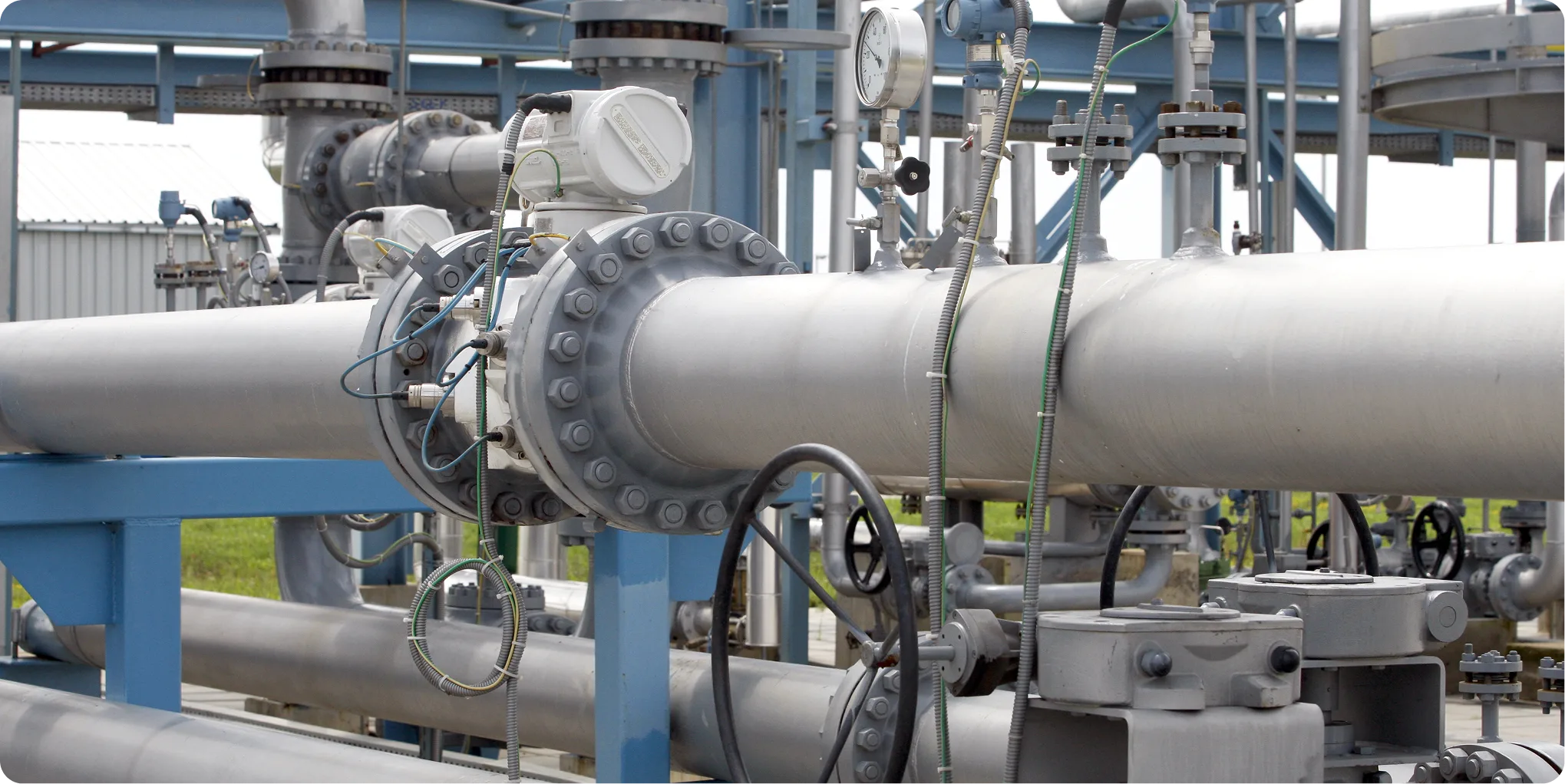
Accurate flow measurement is important for businesses that work with oil, gas, water, and other industrial fluids. Even a small measurement error can lead to financial losses, incorrect reports, and problems with daily operations.
For companies that depend on metering systems, getting reliable readings is not just about checking numbers. It is also about keeping operations safe, efficient, and within industry standards.
Many flow measurement problems develop slowly. A meter may start giving incorrect readings, a sensor may stop working properly, or a system may not receive regular checks. If these issues are not found early, they can affect the entire operation.
Understanding these problems can help businesses take the right steps before they become costly. Here are seven common flow measurement problems that every industrial operator should know.
1. Incorrect Flow Meter Installation
Incorrect installation is one of the common reasons behind poor measurement results. A flow meter must be installed in the right position and under suitable operating conditions. If it is placed too close to a valve, pump or pipe bend, the flow inside the pipe may become uneven.
This can affect the meter's performance and lead to incorrect readings. The problem may not be easy to notice because the meter can still show numbers even when the measurements are not reliable.
Poor installation can also lead to extra maintenance work and unnecessary operating costs. Businesses should make sure that meters are installed according to the manufacturer's instructions and suitable engineering requirements.
2. Lack of Regular Meter Verification
Flow meters operate under various circumstances and their effectiveness may fluctuate over time. Their accuracy may be impacted by wear, shifting process conditions and equipment issues.
Businesses might keep utilising meters that don't satisfy the necessary performance standards if they don't conduct routine inspections. Billing, product distribution, reporting and process control issues may result from this.
Frequent verification aids in determining whether a meter is operating within anticipated bounds. Additionally, it helps operators better understand how their measurement equipment is doing.
Professional flow measurement services can help businesses check their systems, identify performance issues, and maintain confidence in their measurement results. Proper documentation of these checks is also crucial for businesses operating in regulated industries.
3. Poor Maintenance of Metering Equipment
Metering systems require routine maintenance, much like other industrial equipment. The equipment's performance can be impacted by dust, moisture, broken cables, loose connections and worn parts.
Delays in maintenance might cause minor issues to worsen. Readings may be impacted by a malfunctioning sensor and measurement data transfer may be disrupted by broken connections.
These problems could raise repair costs and result in unplanned downtime. Operators might not become aware of an issue until the machine breaks down or begins to give odd readings.
Companies must keep to a predetermined maintenance schedule. Preventable failures can be avoided with regular inspections, equipment checks and prompt repairs.
Keeping maintenance records also helps teams understand which parts need attention and whether the same problems are happening repeatedly.
4. Changes in Pressure and Temperature
Pressure and temperature can have a direct effect on the measurement of gas. When these conditions change, the volume of gas also changes. If the system does not account for these changes correctly, the reported measurement may not reflect the actual quantity under standard conditions.
This can create differences in gas accounting, reporting and commercial calculations. For companies that buy, sell or transport gas, even small errors can have a financial impact over time.
A gas data logger can help operators record important information such as pressure, temperature, flow and system status. These records make it easier to review operating conditions and identify unusual changes.
Businesses should also check that the instruments used for measurement are suitable for the process and that correction settings are properly maintained.
5. Poor Data Collection and Monitoring
A metering system does more than measure flow. It also provides information that helps operators understand how equipment is performing.
If measurement data is missing, delayed or recorded incorrectly, teams may struggle to identify problems. They may not notice unusual readings, sudden changes or equipment faults until these issues affect operations.
Poor data collection can also make audits and performance reviews more difficult. Without clear records, it becomes harder to explain measurement differences or understand when a problem first started.
A well-managed flow measurement system should collect useful data and make it available to the right people. Regular data reviews, suitable monitoring tools and clear reporting processes can help teams make better decisions.
Remote monitoring can also support operations by allowing engineers to review system performance without always visiting the site.
6. Failure to Follow Industry Standards
Industrial metering systems must meet suitable technical and regulatory requirements. These requirements help ensure that measurements are reliable and that equipment is checked using proper methods.
When businesses ignore these standards or fail to keep their records updated, they may face compliance problems. This can lead to audit findings, disputes, delays and extra costs.
For example, an operator may have a working meter but may not have enough evidence to show that its performance has been properly checked.
Independent verification and auditing can help identify gaps in procedures, equipment performance and documentation. MetSolv provides NATA-accredited flow measurement verification and auditing under ISO 17020 Type-C.
This independent approach helps businesses understand the condition of their metering systems and maintain suitable records for compliance.
7. Ignoring Small Performance Changes
Not all metering issues begin with a total device failure. Small variations in readings, odd patterns, or differences between recorded and predicted values might occasionally be the first indicators.
Ignoring these indicators could cause the issue to worsen over time. Reporting, process choices and business outcomes can all be impacted by a meter operating outside of its anticipated performance range.
Instead of thinking that unexpected readings are normal, operators should pay attention to them and look into them. Changes that require further attention can be found by comparing current readings with historical data.
Early problem detection can be helped by routine performance evaluations, technical inspections and remote diagnostics. In addition to lowering repair costs, timely action can save needless downtime.
How Can Businesses Avoid These Problems?
Preventing measurement problems starts with understanding how the metering system works and checking its condition regularly.
Businesses should focus on a few important steps:
- Make sure flow meters are installed correctly.
- Schedule regular verification and maintenance.
- Check pressure and temperature instruments.
- Review measurement data for unusual changes.
- Keep clear records of inspections and repairs.
- Follow relevant industry standards.
Get independent technical support when required.
These steps can help businesses improve measurement accuracy, reduce operating risks and avoid unnecessary expenses.
Conclusion
More than just equipment performance can be impacted by flow measurement issues. They may result in financial losses, problems with compliance, inaccurate reports and unplanned downtime. Issues including insufficient installation, neglected verification, poor maintenance and improper data processing should never be disregarded.
The best strategy is to find problems early and incorporate routine system checks into daily operations. Businesses can maintain dependable measuring systems with the right engineering support, verification, auditing and monitoring.
MetSolv provides independent flow measurement expertise to energy, resource and utility companies in Australia and New Zealand. MetSolv assists companies in managing operational risks and enhancing measurement confidence through metering system design, verification, auditing and continuous technical support.