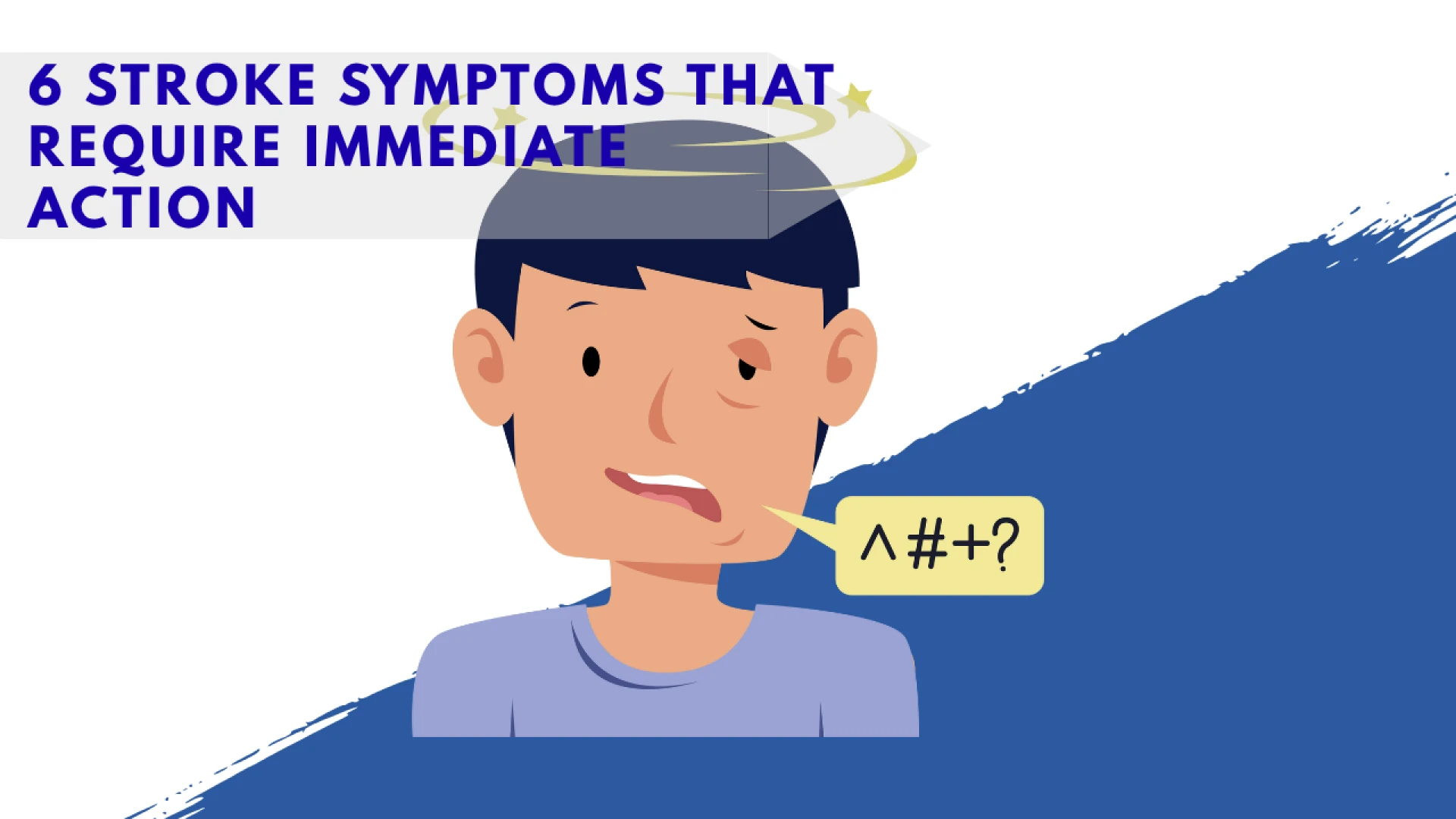
In Thailand, stroke has become a major public health concern, ranking among the leading causes of death and long-term disability. It is often a sudden and devastating event that affects not only the individual but also their entire family. The greatest challenge with a stroke is the lack of public awareness regarding its warning signs, which can lead to a delay in getting help, often with tragic consequences.
Understanding the key stroke symptoms is not just about general knowledge—it's about having the power to save a life, including your own, by acting quickly. A stroke is a medical emergency that requires immediate attention. Every second that passes without treatment can lead to more brain damage. Recognizing the signs and knowing what to do in that crucial moment can make all the difference in a person's recovery and quality of life.
Understanding a Stroke: A "Brain Attack"
A stroke is often called a "brain attack" because it is a medical emergency that occurs when the blood supply to part of your brain is interrupted or reduced. This deprives brain tissue of oxygen and nutrients, causing brain cells to begin dying within minutes.
The Two Main Types
There are two main types of stroke. An ischemic stroke is the most common type and occurs when a blood clot blocks a blood vessel leading to the brain. A hemorrhagic stroke occurs when a weakened blood vessel in the brain bursts, causing bleeding into the brain tissue. While the causes are different, the symptoms and the need for immediate medical attention are the same.
The F.A.S.T. Acronym: A Lifesaving Tool
When a stroke happens, every second counts. The F.A.S.T. acronym is a simple and powerful tool that can help you remember the most common signs and the correct response. It is widely used by health professionals and emergency services as an easy-to-recall guide.
F is for Face Drooping
This is often the first and most visible sign of a stroke. It happens because a part of the brain that controls the facial muscles is affected by the interruption in blood flow.
The Telltale Sign
Ask the person to smile. Is one side of their face numb or drooping? Does their smile look uneven? This is a strong indicator of a stroke. The muscles on one side of the face may feel weak, causing the mouth or eye to sag. Even if the drooping is slight, it should be taken as a serious warning sign.
A is for Arm Weakness
A sudden weakness or numbness in one arm is a classic symptom of a stroke. This occurs because the brain is no longer able to send proper signals to the muscles.
The 'Raise Your Arms' Test
Ask the person to raise both arms at the same time. If they are having a stroke, one arm may drift downward, or they may be unable to lift it at all. The weakness is almost always on one side of the body, as a stroke typically affects one side of the brain, which controls the opposite side of the body. Even a slight weakness or a tingling sensation should be considered a potential stroke symptom.
S is for Speech Difficulty
A stroke can affect the brain's ability to control the muscles used for speech or its ability to process language itself.
Slurred Words or Jumbled Sentences
Ask the person to repeat a simple phrase. Do their words sound slurred, or do they have trouble speaking? They may also struggle to understand what is being said to them, even if the person is speaking clearly. Their words may be jumbled or nonsensical, or they may not be able to speak at all. This is a clear sign that a part of the brain responsible for communication is under attack.
T is for Time to Call for Help
If you or someone else has any of these symptoms, even if they seem to go away, it is time to act immediately. This is the most critical step in the entire process.
Why Time is Brain
In stroke treatment, every second counts. The longer the brain is deprived of oxygen, the more brain cells die and the more extensive the damage becomes. There are clot-busting medications that can significantly reduce the effects of a stroke, but they must be administered within a very short time frame after the first symptoms appear. This is why it is so important to call the emergency services in Thailand immediately. Do not wait to see if the symptoms improve, and do not try to drive the person to the hospital yourself. An ambulance can often provide critical care on the way to the hospital.
Beyond F.A.S.T.: Other Symptoms to Watch For
Not all strokes follow the F.A.S.T. pattern. It is important to be aware of other potential warning signs that might indicate a stroke.
Sudden and Severe Headache
A severe, sudden headache, sometimes described as the "worst headache of your life," can be a symptom of a hemorrhagic stroke. This type of headache comes on without a known cause, and it may be accompanied by nausea, vomiting, or a stiff neck.
Vision Problems
A stroke can cause a sudden blurriness or a complete loss of vision in one or both eyes. This might be a temporary symptom, but it is a serious sign of a potential stroke. The person may also have difficulty seeing from a certain field of vision, or they may see double.
Conclusion
A stroke is a medical emergency that requires immediate action. By being aware of the key symptoms and acting quickly, you can make a powerful difference in the outcome for yourself or a loved one. The simple F.A.S.T. acronym is an easy-to-remember tool that can help save a life. Do not hesitate, and do not wait for symptoms to pass. Every moment counts. By recognizing the signs and calling for help immediately, you are giving the individual the best possible chance for a full recovery and a healthier life.
FAQs
Do all strokes have the same symptoms?
No. The symptoms of a stroke depend on which part of the brain is affected. While the F.A.S.T. symptoms are the most common, other signs can include sudden dizziness, loss of balance, or difficulty with coordination. It is important to be aware of all the potential symptoms and to seek immediate medical help if any of them occur.
Can a person have a stroke and not know it?
Yes, it is possible to have what is called a "silent stroke." This is a stroke that does not cause the typical dramatic symptoms but still causes damage to the brain. Silent strokes often go undiagnosed but can increase the risk of a major stroke in the future.
Is it possible to recover from a stroke?
Yes, with immediate medical care, it is possible to recover from a stroke. The extent of the recovery depends on how quickly the person receives treatment and the severity of the stroke. After the initial treatment, many people go through rehabilitation to regain skills and independence.
What should I do while waiting for the ambulance?
While waiting for emergency services, ensure the person is in a safe and comfortable position. If they are conscious, keep them calm and reassure them that help is on the way. Do not give them any food or drink, as this can be dangerous. Your most important job is to stay with them and be prepared to provide the emergency responders with a clear timeline of when the symptoms started.