On his first day after shifting to a new office, Rohan noticed something unusual. His team had the same skills, the same projects, and the same goals—but the energy in the room felt different. People looked more focused, conversations were clearer, and work seemed to flow more smoothly.
Just a few months earlier, the situation was completely different. The office felt crowded, desks were poorly arranged, and employees often complained about fatigue. Meetings dragged on, and creativity seemed stuck.
Rohan realized something important that many businesses ignore: the way an office is designed can directly influence productivity, focus, and employee well-being.
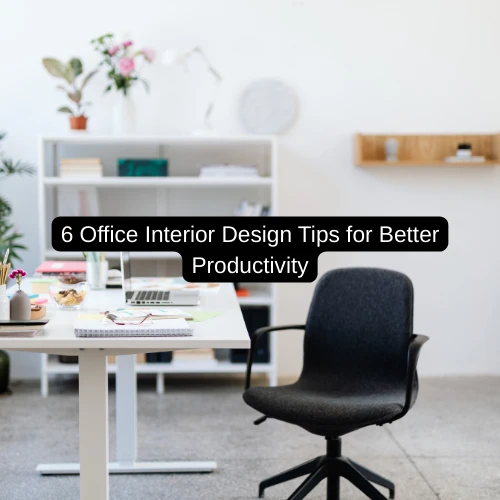
Office interior design is not just about making a workplace look attractive. A well-designed office improves workflow, supports employee comfort, and encourages collaboration. If planned thoughtfully, it can help teams perform better and maintain higher levels of motivation throughout the workday.
Here are six practical office interior design tips that can help improve productivity in any workplace.
1. Make the Most of Natural Light
Lighting is one of the most influential factors in workplace productivity. Poor lighting can cause eye strain, headaches, and fatigue, which gradually affect employee performance.
Natural light helps regulate the body’s internal clock, improves mood, and increases alertness. Workspaces that receive adequate daylight often feel more open and energizing.
To improve lighting in the office:
Place workstations near windows whenever possible
Use glass partitions instead of solid walls
Combine natural light with balanced artificial lighting
Avoid overly harsh or dim lighting setups
Businesses planning modern workspaces often consult professionals like an Office Interior Designer in Noida to ensure lighting is both functional and comfortable.
A thoughtful lighting strategy can significantly improve concentration and reduce fatigue during long working hours.
2. Invest in Ergonomic Furniture
Employees spend a large part of their day sitting at desks. If furniture is uncomfortable or poorly designed, it can lead to back pain, posture issues, and reduced productivity.
Ergonomic design focuses on creating furniture that supports the body’s natural posture and movement.
Important ergonomic elements include:
Adjustable office chairs with proper lumbar support
Desks at appropriate height levels
Monitor screens positioned at eye level
Footrests for additional support when needed
When employees feel physically comfortable, they can concentrate better and work for longer periods without discomfort. Over time, ergonomic improvements also reduce health-related absenteeism.
3. Create Functional Work Zones
Modern workplaces benefit from having different areas designed for different types of work.
In traditional offices, everyone works in the same open space, which can lead to distractions and reduced focus. A better approach is to create work zones that support different tasks.
Some useful zones include:
Focus Areas Quiet spaces where employees can concentrate on deep work without interruptions.
Collaboration Spaces Open areas designed for brainstorming sessions, team discussions, or informal meetings.
Meeting Rooms Private spaces for client discussions, presentations, or confidential conversations.
Breakout Areas Relaxed environments where employees can recharge during breaks.
This approach allows employees to choose the environment that best suits their task at any given time.
4. Keep the Workspace Organized
Cluttered offices often create visual distractions and make it harder for employees to stay focused. When documents, equipment, and supplies are scattered across desks, it becomes difficult to maintain an efficient workflow.
An organized workspace helps employees locate resources quickly and maintain mental clarity.
Ways to reduce office clutter include:
Built-in storage cabinets
Desk organizers and cable management
Wall-mounted shelves
Digital document storage systems
Minimalist design principles are increasingly popular because they create clean, distraction-free environments that promote better focus.
A well-organized office can make daily operations smoother and improve overall productivity.
5. Use Colors That Support Productivity
Color plays an important psychological role in shaping workplace mood and behavior.
Different colors influence how people feel and interact with their surroundings. Choosing the right color palette can enhance focus, creativity, and calmness.
Some commonly used office colors include:
Blue – Supports concentration and logical thinking Green – Creates a calming atmosphere and reduces eye strain Yellow accents – Encourages creativity and positivity Neutral shades – Maintain a professional and balanced environment
Instead of using a single color throughout the office, many designers prefer a balanced combination of neutral tones with subtle accent colors. This creates a visually appealing environment without overwhelming the workspace.
6. Bring Nature into the Workspace
Incorporating natural elements into office interiors is known as biophilic design, and it has become increasingly popular in modern workplaces.
Natural elements can help reduce stress and improve employee well-being. Even small additions can make a noticeable difference in the workplace atmosphere.
Examples of biophilic design include:
Indoor plants placed around workstations
Natural wood textures in furniture or flooring
Green walls or vertical gardens
Access to outdoor views
Many companies working with an Office Interior Designer in Faridabad incorporate greenery into office layouts to create healthier and more refreshing environments.
Research suggests that employees working in spaces with natural elements often feel more relaxed and productive.
The Role of Professional Office Interior Planning
Designing an office that balances aesthetics, functionality, and productivity requires careful planning. Every organization has different needs depending on team size, work culture, and operational requirements.
Professional interior designers analyze factors such as:
workspace layout
employee workflow
lighting conditions
furniture placement
space utilization
Their goal is to create an environment that supports efficiency while maintaining a comfortable and visually appealing workspace.
About Arc Pacific Interiors
Arc Pacific Interiors is a Delhi-NCR based interior design and contracting firm specializing in office and retail spaces. The company provides integrated design-and-build solutions that combine functionality, quality execution, and timely project delivery backed by strong industry experience.
Businesses planning workspace transformations can consult their team for professional guidance and project execution.
+91 – 8368133119
Final Thoughts
Office productivity depends on many factors, and workplace design is one of the most important among them. Lighting, ergonomics, workspace organization, color selection, and natural elements all contribute to how employees feel and perform during the workday.
A well-planned office environment can help employees stay focused, collaborate effectively, and maintain better overall well-being.
By implementing these six office interior design tips, organizations can create workplaces that support both employee satisfaction and long-term productivity.