
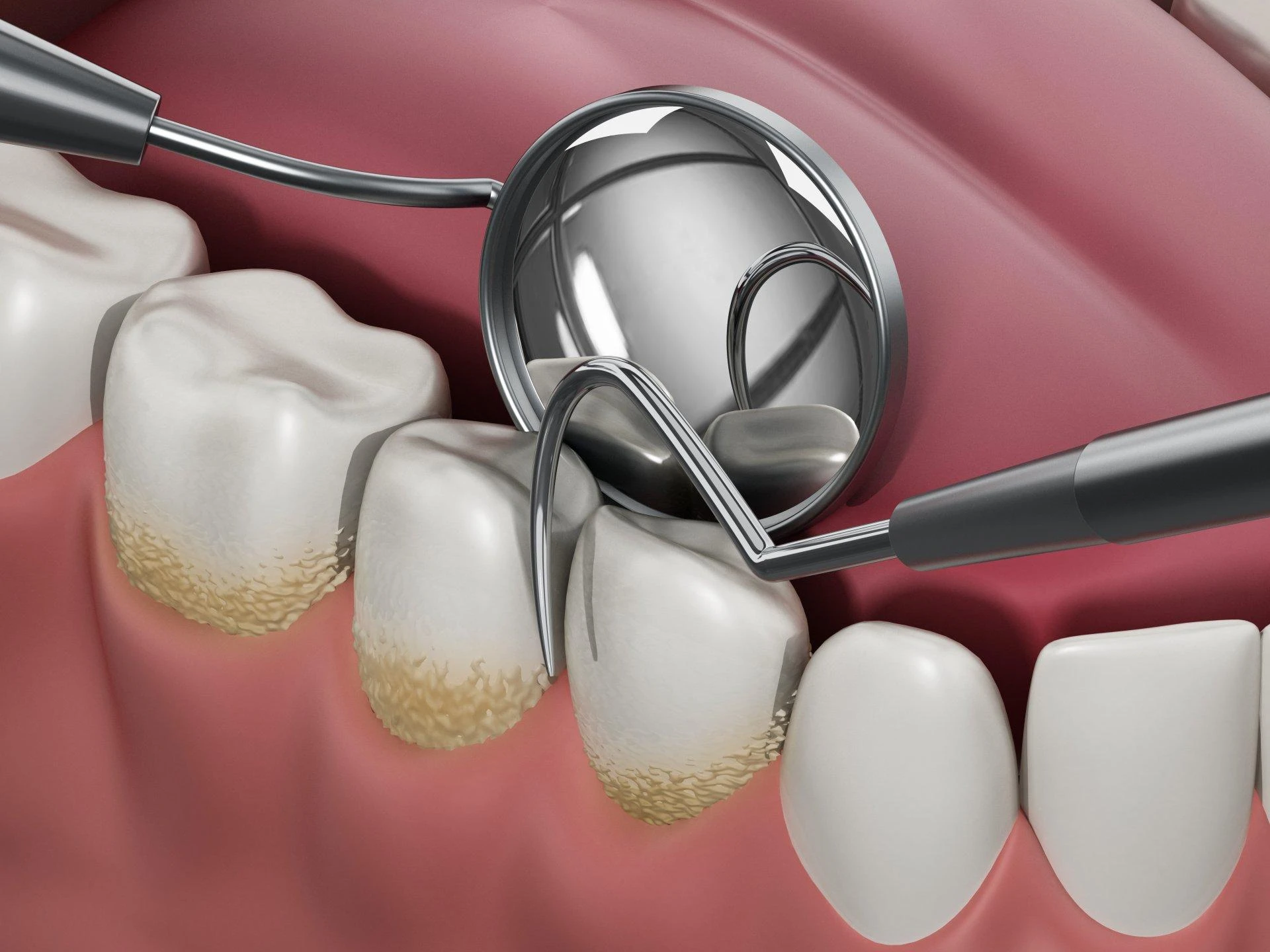
Plaque is more than just a cosmetic problem. It can be a warning sign of more serious diseases and affect the general condition of the body. Many people underestimate its importance and limit themselves to infrequent dental cleanings or only go to the dentist when they are in pain. However, regular oral care is the key to preventing a number of complications. In this article, we will cover six crucial facts you should know about dental plaque.
1. Plaque forms faster than you think
You may brush your teeth in the morning and feel fresh, but after a few hours, plaque begins to accumulate. Plaque is a thin film of food debris, saliva, and bacteria that settles on the surface of the teeth. If it is not removed regularly, it hardens, and tartar forms, which can no longer be removed with a brush—a professional cleaning at a dentist is necessary. You can search for "dentist near me" to find an experienced and qualified specialist in your area for teeth cleaning. Important to know: Plaque formation begins as early as 20 minutes after eating.
2. Plaque is the main cause of tooth decay and gingivitis
Cavities are not an accident and not just a result of sweets. The main cause of their occurrence is dental plaque. The bacteria it contains process sugar and produce acids. These acids destroy tooth enamel and contribute to the development of tooth decay. In addition, plaque causes inflammation of the gums (gingivitis), and if ignored, it can develop into a more serious condition (periodontitis), which can lead to tooth loss.
3. Plaque can affect your breath
If you suffer from bad breath, plaque may be the cause. The bacteria living in it release volatile sulfur compounds that have an extremely unpleasant odor. Regular and thorough brushing of your teeth, tongue brushing, and flossing can help eliminate this. Breath fresheners and chewing gum are only temporary measures that don’t eliminate the cause of the problem.
4. Plaque is not always visible
Many people think of plaque as a yellowish coating on their teeth that's visible in the mirror. However, most plaque is transparent and invisible to the eye. That's why it is so important to floss and use mouthwash regularly. Some drugstores sell special tablets that stain plaque and make it visible so you can assess the quality of your dental cleaning. This is especially useful for children who are just learning how to brush their teeth.
5. It can affect your general health
Plaque isn't just associated with your mouth. Studies show that bacteria from plaque can enter your bloodstream through inflamed gums and trigger the development of cardiovascular disease and kidney problems, and can even increase the risk of premature birth in women. Regular oral care isn't just about taking care of your teeth; it's an investment in your overall health.
6. You can prevent it
The good news is that plaque formation can be controlled. Simple daily habits can significantly reduce plaque buildup:
- Brush your teeth at least twice a day, especially before bed
- Use dental floss – it removes plaque between your teeth, where your toothbrush cannot reach
- Limit your consumption of sweet and sticky foods
- Visit your dentist twice a year for preventive dental cleanings
- Rinse your mouth with water after each meal, especially if you cannot brush your teeth right away
The bottom line
Everyone faces plaque. However, the consequences can be much more serious than just an ugly appearance. Plaque affects not only your teeth but also your overall health. Awareness of this and timely care of your oral cavity are the key to your self-confidence, fresh breath, and good health for many years to come. Don’t postpone your visit to the dentist. Your teeth are not just part of your appearance, but a reflection of your overall health.