
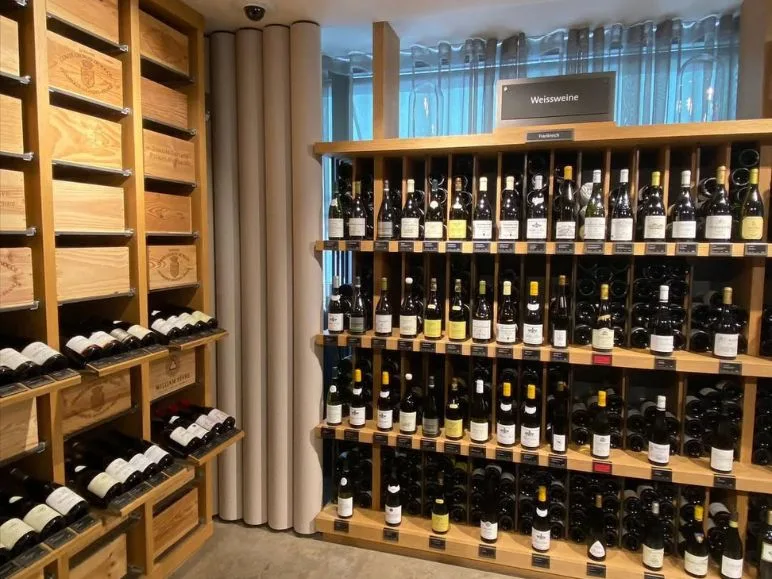
Wine collectors understand that proper temperature and humidity control are crucial for preserving valuable vintages. Your cellar cooling unit serves as the heart of wine preservation, but like any sophisticated system, it requires proper maintenance and optimization to perform at peak efficiency. Whether you've invested in a Winemaster unit or another premium wine storage solution, these six expert tips will help you maximize performance while minimizing energy costs.
1. Maintain Optimal Temperature Settings
The efficiency of your wine cellar cooling system begins with proper temperature configuration. Set your unit to maintain a consistent 55-57°F (13-14°C), which is ideal for long-term wine storage. Avoid frequent temperature adjustments, as constant fluctuations force your system to work harder, consuming more energy and potentially shortening its lifespan.
Many luxury wine cellar systems include programmable thermostats that allow precise control. Take advantage of these features to create stable conditions that protect your investment while keeping energy consumption in check. Remember that stability matters more than achieving the exact degree—consistent temperatures within the ideal range preserve wine better than perfect numbers that fluctuate.
2. Ensure Proper Insulation and Sealing
Even the most advanced Australian wine cellar cooling systems struggle to perform efficiently in poorly insulated spaces. Inspect your cellar walls, ceiling, and door seals regularly for gaps or deterioration. Proper insulation prevents cool air from escaping and warm air from entering, reducing the workload on your cooling unit.
Pay special attention to the door seal, as this is the most common point of temperature loss. A simple test involves closing a piece of paper in the door—if you can pull it out easily, the seal needs replacement. Quality insulation transforms your wine preservation system from an energy-hungry appliance into an efficient guardian of your collection.
3. Schedule Regular Professional Maintenance
Your Winemaster or other cellar cooling unit requires annual professional servicing to maintain peak efficiency. During maintenance visits, technicians clean coils, check refrigerant levels, inspect electrical connections, and identify potential issues before they become costly problems.
Dirty condenser coils force your system to work significantly harder, increasing energy consumption by up to 30%. Professional cleaning ensures optimal heat exchange, keeping your premium wine storage solution running smoothly. Schedule maintenance during spring or fall when your system isn't working as hard, allowing technicians to thoroughly evaluate performance.
4. Monitor and Control Humidity Levels
Temperature control is only half the equation—humidity management significantly impacts cooling efficiency. Ideal wine storage requires 60-70% relative humidity. Too much humidity forces your wine cellar cooling system to work overtime removing moisture, while too little causes corks to dry out.
Many modern luxury wine cellar systems include integrated humidity control, but standalone hygrometers provide backup monitoring. If humidity consistently exceeds optimal levels, consider adding a separate dehumidifier to reduce strain on your cooling unit. This division of labor improves overall system efficiency and extends equipment life.
5. Optimize Air Circulation
Proper airflow distribution prevents hot spots and cold zones that force your cellar cooling unit to cycle more frequently. Ensure wine racks don't block air vents, and maintain adequate space around your cooling unit for proper ventilation. Blocked airflow creates temperature inconsistencies that compromise both wine quality and system efficiency.
For larger installations, consider adding circulation fans that work in conjunction with your Australian wine cellar cooling system. These fans distribute conditioned air evenly throughout the space, reducing the burden on your primary cooling unit while maintaining consistent conditions throughout your collection.
6. Implement Smart Monitoring Technology
Modern wine preservation systems benefit tremendously from smart monitoring technology. Install temperature and humidity sensors that send alerts to your smartphone when conditions deviate from preset ranges. Early warning of potential problems allows quick intervention before your cooling unit suffers damage or your wine collection is compromised.
Many Winemaster units and other premium wine storage solutions now offer Wi-Fi connectivity and remote monitoring capabilities. These features allow you to track performance trends, identify efficiency issues, and make data-driven decisions about system optimization.
Conclusion
Improving the efficiency of your cellar cooling unit protects both your wine investment and your wallet. By implementing these six expert tips—from proper temperature settings to smart monitoring—you'll ensure your wine cellar cooling system operates at peak performance for years to come. Regular maintenance, proper insulation, and attention to environmental factors transform good systems into exceptional ones, preserving your precious vintages while controlling energy costs.