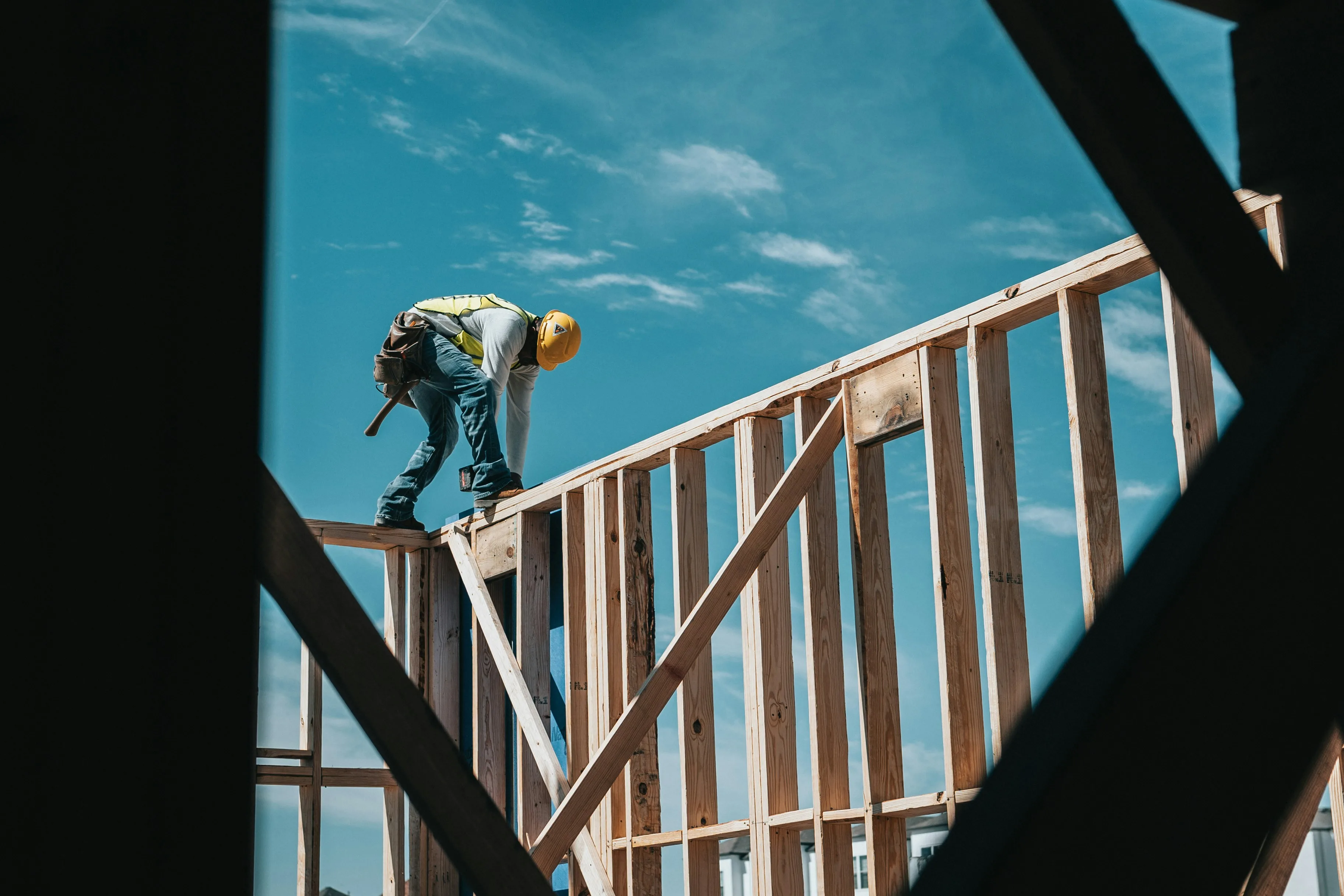
Construction is dangerous work, and injured workers are often told that getting hurt simply comes with the job. New York law sees it differently. The state imposes specific safety duties on property owners and contractors, and when they ignore those duties and a worker is hurt, the violation can form the basis of a claim that goes well beyond workers’ compensation. Not every accident involves a violation, and not every violation leads to liability. But certain hazards recur in construction injury cases. Here are six of the most important.
How New York Law Treats Safety Violations
Three sections of the New York Labor Law do most of the work in construction cases. Section 240(1), often called the Scaffold Law, covers elevation-related hazards such as falls from heights and objects falling from above, and generally imposes liability on owners and contractors when they fail to provide proper protection. Section 241(6) allows claims based on violations of specific, concrete provisions of the New York State Industrial Code. Section 200 reflects the general duty to provide a reasonably safe workplace. The applicable section depends on how the accident happened, so identifying the exact violation matters.
1. Inadequate Fall Protection
Falls are a leading cause of death and serious injury in construction. Fall protection includes guardrails, safety nets, personal fall arrest systems, properly secured ladders, and covers or barriers for floor openings and roof edges. When a worker exposed to a height risk is not given adequate protection and falls as a result, Section 240(1) may apply. In many of these cases, the worker’s own carelessness is not a defense, which makes them among the strongest construction claims under New York law.
2. Unsafe Scaffolding
Scaffolds must be properly designed, erected, braced, and inspected, with secure planking and guardrails. Common violations include missing guardrails, damaged or overloaded platforms, inadequate tie-ins to the building, and scaffolds assembled by untrained workers. The Industrial Code contains detailed scaffold requirements, and scaffold falls and collapses are classic Section 240(1) cases. Because scaffolding failures can injure both workers on the platform and people below it, these violations often raise more than one type of claim.
3. Unsecured Tools and Materials
A dropped wrench or an unsecured load of lumber can cause catastrophic injuries to anyone below. Objects being hoisted, or that needed to be secured for the work, may fall under Section 240(1) when inadequate protection allowed them to fall. Other falling-object hazards, such as loose debris or poorly stacked materials, may fall under Industrial Code provisions requiring overhead protection and safe storage. The specific facts, including what fell, from where, and why, determine which rule applies.
4. Insufficient Trench Protection
Trench collapses can bury a worker in seconds. Federal OSHA rules generally require protective systems such as shoring, sloping, or trench boxes for trenches five feet deep or more, and New York’s Industrial Code contains its own excavation requirements. Violations include failing to shore trench walls, placing spoil piles too close to the edge, and failing to provide safe means of entry and exit. These cases often involve multiple parties, including the excavation contractor, the general contractor, and the owner.
5. Electrical Hazards
Contact with live wires, faulty temporary power, unmarked buried lines, and work too close to overhead power lines can cause electrocution, severe burns, and shock-related falls. The Industrial Code requires protection against electrical hazards on construction sites, including keeping workers away from energized circuits unless they are properly protected. When a contractor fails to de-energize, mark, or guard electrical sources, the resulting injury may support a Section 241(6) claim.
6. Unsafe Equipment Operation
Cranes, hoists, forklifts, excavators, and other heavy equipment cause serious accidents when operated by untrained workers, poorly maintained, or used without spotters or barriers. Specific Industrial Code provisions govern power-operated equipment and cranes, and New York City adds its own licensing and safety requirements. Defective equipment may also give rise to product liability claims against manufacturers. An experienced Queens construction accident lawyer will look at the operator’s training, maintenance records, and site supervision to determine who is responsible.
Why Documenting Site Conditions Matters
Construction sites change daily. Scaffolds come down, trenches are backfilled, and broken equipment is repaired or removed. If possible, photographs of the hazard, witness names, contractor names, and copies of any incident reports can be extremely valuable. Also preserve safety logs, site safety plans, inspection records, and any OSHA or New York City Department of Buildings records. An OSHA citation does not automatically establish liability in a New York lawsuit, but it can be strong evidence that unsafe conditions existed.
Liability Depends on the Circumstances
Workers’ compensation is generally the only remedy against a worker’s own employer, but owners, general contractors, and other companies on the site can often be held responsible through third-party claims. Under Sections 240(1) and 241(6), owners and general contractors may be liable even if they did not directly supervise the work. Exceptions exist, such as protections for owners of one- and two-family homes who do not direct the work. Deadlines matter too: most lawsuits generally must be filed within three years, while claims involving public projects generally require a notice of claim within 90 days.
Get a Clear Evaluation
Mallilo & Grossman Attorneys at Law has represented injured construction workers for more than 40 years and is the largest personal injury firm in Queens.
A Queens construction accident attorney from the firm can identify which violations apply to your case and who may be liable. Consultations are free, and you pay nothing unless we recover compensation.