
Managing finances accurately is essential for any business aiming to grow and compete. Without solid records, a company may miss early signs of trouble or overlook key opportunities. Bookkeeping ensures all income, expenses, and trends are clearly documented, giving leaders the insight they need to make informed choices. However, maintaining organized records while handling operations often becomes overwhelming. This is where financial professionals step in to bring structure and efficiency. Understanding how bookkeeping works helps businesses become more proactive and less reactive.
When records are current and clean, everything else runs more smoothly. Budgeting becomes easier, audits feel less stressful, and future goals are based on reliable data. Good bookkeeping reveals patterns that guide smarter planning and resource allocation. It reduces risk, builds trust, and allows leadership to act with clarity. With the right systems in place, businesses can move forward with purpose instead of uncertainty. That’s why treating bookkeeping as essential is not just smart, it's also necessary.

Way 1: Regional Professionals Offer Local Knowledge
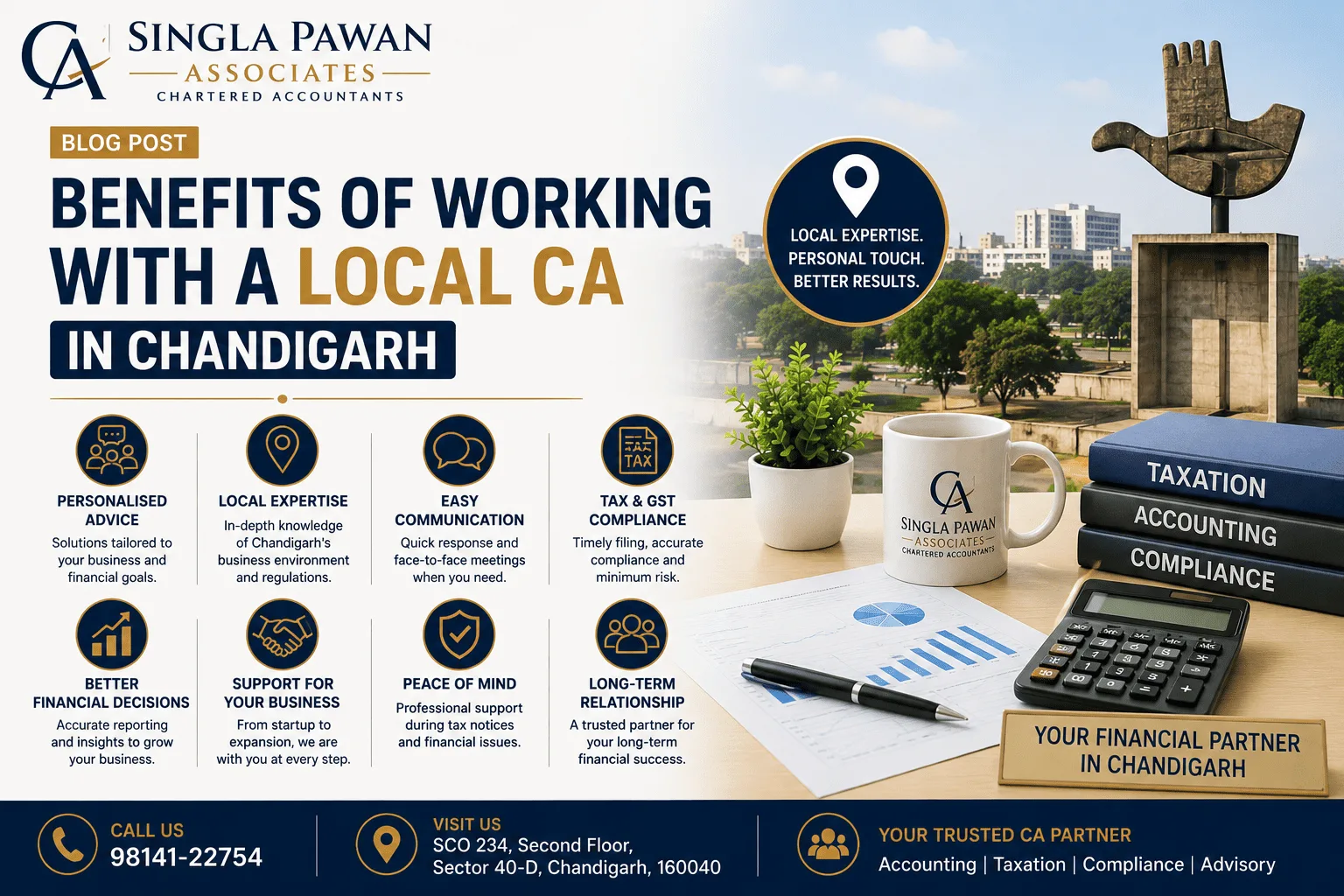
Hiring bookkeepers in my area brings a unique advantage that comes from understanding local conditions and regulations. They’re familiar with state tax rules, industry trends, and seasonal business cycles that national services might overlook. This local knowledge allows for more specific and practical financial advice. Business owners can also expect faster response times and better accessibility when working with someone nearby. Communication tends to be stronger, and the working relationship is often more collaborative. That proximity makes it easier to resolve issues quickly and personally.
Having a local bookkeeper also helps when in-person support is necessary during audits or major financial reviews. They can visit the business, review documents on-site, and offer hands-on assistance when time is tight. These relationships often evolve into long-term partnerships built on mutual investment in community success. Local professionals typically have networks that extend to lawyers, consultants, and advisors, adding even more value. Working with someone who knows the area supports both compliance and opportunity. It’s a strategic decision that delivers returns beyond the books.
Way 2: National Standards Promote Consistent Accuracy
The idea behind bookkeeping USA is rooted in the power of nationwide standards that ensure reliable service across regions. Professionals following these protocols operate under clear frameworks for reporting, compliance, and client engagement. This consistency builds trust and creates expectations that businesses can depend on. It also makes it easier for growing businesses to work with multiple providers across states or branches. Uniformity in bookkeeping helps prevent costly errors caused by mismatched systems. These standards lead to better control and more confidence in financial data.
Beyond structure, national expectations push professionals to maintain certifications and stay updated with changing regulations. From automation tools to tax law updates, these benchmarks promote accountability and precision. Companies benefit from this training through more efficient service and improved outcomes. Standardization doesn’t reduce flexibility—it ensures quality and adaptability. Businesses gain peace of mind knowing their financial records meet legal and operational expectations. That foundation makes scaling and compliance much easier.
Way 3: Strategic Guidance That Goes Beyond Data Entry
Good bookkeepers are more than just number crunchers—they provide strategic insight that drives smarter decision-making. They analyze patterns in revenue and expenses that might otherwise go unnoticed. Their reports help business owners understand where money is being made, lost, or misused. This insight makes budgeting, pricing, and cost-cutting efforts far more effective. Bookkeepers turn routine tracking into tools that support long-term goals. Their impact is often felt beyond finance, extending into operations and leadership planning.
When financial clarity improves, strategic confidence grows. Leaders can prioritize investments and time around areas that offer the highest return. Bookkeepers also help mitigate risk by spotting inconsistencies early. They offer suggestions that align closely with a company’s objectives and cash flow. This partnership transforms financial data into action plans. With the right professional, strategy becomes more proactive and less reactive.
Way 4: Clear Records Make Forecasting Reliable
Reliable forecasting relies on clean, updated records that reflect real business activity. Bookkeepers organize financial information into consistent categories, making it easier to identify trends. These trends reveal how different seasons, campaigns, or decisions impact performance. Accurate records help predict when to expand, when to save, and where to invest. Instead of relying on instincts, business owners get real numbers to base their choices on. Forecasting becomes a practical, data-driven process that builds confidence.
Without that structure, projections are prone to error and misjudgment. Bookkeepers provide reports that simplify complex data for non-financial leaders. These insights support everything from hiring decisions to equipment purchases. Teams can align operations around expected income and expenses, avoiding cash flow surprises. Financial planning becomes part of the business culture, not just an annual task. In turn, this predictability supports steadier growth.

Way 5: Compliance Prevents Costly Mistakes
A key role of bookkeepers is ensuring that financial operations meet local, state, and federal regulations. Compliance mistakes can lead to penalties, missed deadlines, and unnecessary stress. Bookkeepers stay current with tax codes and reporting requirements, reducing the chance of issues. They track everything from payroll filings to sales tax documentation with consistency. Accurate records also make audits smoother and less disruptive. When a company stays compliant, it builds a stronger reputation with clients and partners.
Bookkeepers also protect businesses by preventing costly financial oversights. They double-check documentation, verify that expenses are properly categorized, and ensure everything aligns with legal standards. This attention to detail saves time and money down the line. Businesses with compliant books experience fewer disruptions and less risk of legal complications. Peace of mind comes from knowing everything is handled properly. That kind of protection is invaluable to leadership.
Why Smart Businesses Rely on Strategic Bookkeeping
Bookkeeping is more than a recordkeeping task—it’s a foundation that supports smart, sustainable growth. When financials are accurate, companies make better plans, avoid costly mistakes, and take advantage of new opportunities. Organized records help businesses adapt with ease, even during market shifts. From tax compliance to forecasting, the benefits of strong bookkeeping are far-reaching. This structure gives every department a clearer path forward. It makes the entire organization stronger and more capable.
For companies looking to build a secure and scalable future, the value of professional bookkeeping cannot be overstated. A skilled provider ensures decisions are backed by data, not assumptions. Their insight becomes an integral part of business planning and daily operations. Whether working with local partners or national experts, quality bookkeeping offers long-term rewards. That consistency allows leaders to stay focused on growth and innovation. And with the right financial structure in place, success becomes a more predictable outcome.