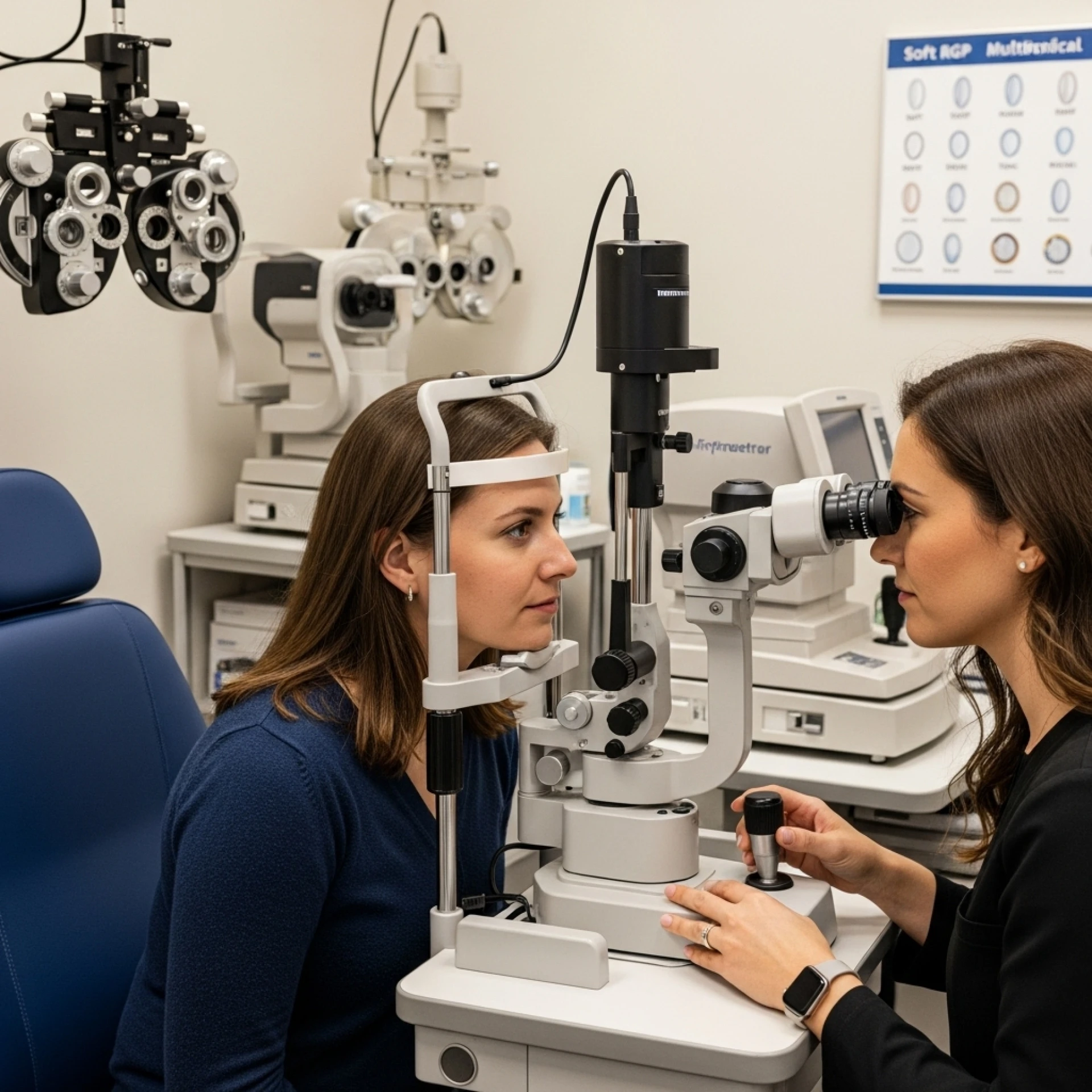
Thinking about switching to contact lenses? It's a great step towards spectacle-free vision. But before you can enjoy the freedom of contacts, you need a specific type of eye appointment. Many people think a standard eye check-up is enough, but what you really need are contact lens exams. These specialized assessments go beyond a regular vision test to ensure your lenses are comfortable, safe, and provide the clearest vision possible.
Getting the right fit is crucial for the health of your eyes. An improper lens can lead to discomfort, blurry vision, or even damage to your cornea. Understanding what happens during this exam can help you feel prepared and confident.
Let's explore five essential things you should know before you schedule your appointment.
1. A Contact Lens Exam is Different From a Regular Eye Exam
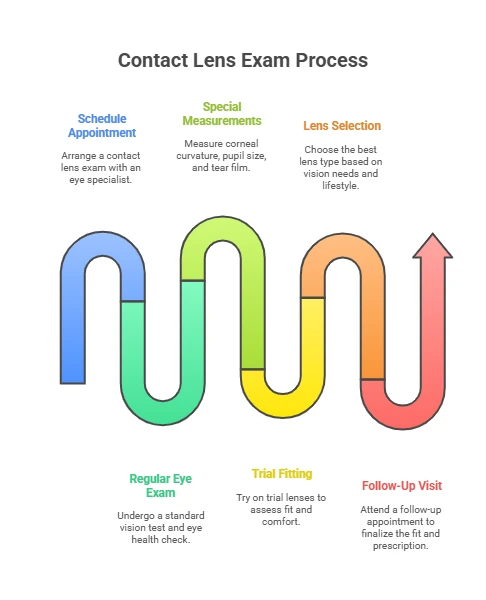
While both exams check your vision, a contact lens exam includes several additional steps specifically for fitting lenses. A regular eye exam determines your prescription for glasses and assesses the general health of your eyes. A contact lens exam builds on that foundation.
Your optometrist will perform specific measurements to find the perfect lens for your eye's unique shape. This is a critical step because a one-size-fits-all approach doesn't work for contact lenses. The goal is to find a lens that not only corrects your vision but also fits securely and comfortably on your eye's surface. Choosing a reputable eye exam center ensures you receive a comprehensive evaluation for both glasses and contact lenses.
Here’s a simple breakdown of what’s different:
2. Special Measurements Are Required
To ensure a perfect fit, your eye doctor will take precise measurements of your eyes. These are not part of a standard vision test.
- Corneal Curvature: Your cornea, the clear front surface of your eye, has a unique curve. The doctor uses an instrument called a keratometer to measure this curve. This measurement helps determine the right diameter and base curve for your contact lenses.
- Pupil and Iris Size: The size of your pupil and iris (the colored part of your eye) are also measured. This helps in selecting a lens size that will fit well and look natural.
- Tear Film Evaluation: Adequate tear production is essential for comfortable contact lens wear. Your doctor will assess your tear film to ensure your eyes produce enough moisture to keep the lenses hydrated. Dry eyes can make wearing contacts uncomfortable, so this step helps identify potential issues beforehand.
Quick Fact: The human cornea is one of the only tissues in the body that doesn't contain blood vessels. It gets oxygen directly from the air, which is why breathable contact lens materials are so important for eye health.
3. Expect a Trial and Fitting Process
Unlike glasses, you can’t just take your new contact lenses home on the same day. The fitting process is a crucial part of the exam. After taking measurements, your eye specialist doctor will select a trial pair of lenses for you to try on.
Once the lenses are in, the doctor will examine your eyes using a slit lamp. They will check:
- Fit: Is the lens centered correctly on your eye?
- Movement: Does the lens move an appropriate amount when you blink? Too much or too little movement can cause problems.
- Comfort: How do the lenses feel? You'll be asked to provide feedback on your comfort level.
- Vision: Your vision will be checked with the trial lenses on to ensure the prescription is accurate.
You will also be taught how to properly insert, remove, and care for your new lenses. This training is vital for preventing eye infections and ensuring your lenses last as long as they should.
4. Different Lenses Solve Different Problems
Contact lenses are not one-size-fits-all. There is a wide variety of lens types available to address different vision needs and lifestyles. Your doctor will recommend the best option based on your prescription, eye shape, and personal preferences.
Here are some common types:
- Soft Contact Lenses: Made from flexible plastics, these are the most popular type due to their comfort. They come in various options, including daily disposables, bi-weekly, and monthly lenses.
- Rigid Gas Permeable (RGP) Lenses: These are more durable and offer crisper vision for some people, especially those with astigmatism. They require a longer adaptation period but can be a great long-term solution.
- Toric Lenses: Specifically designed for individuals with astigmatism, these lenses have different powers in different meridians to correct the irregular shape of the cornea.
- Multifocal/Bifocal Lenses: For people with presbyopia (age-related farsightedness), these lenses contain multiple prescription zones to allow for clear vision at all distances.
Pro Tip: When discussing your lifestyle with your doctor, be specific. Mention if you work long hours on a computer, play sports, or have allergies. This information will help them recommend a lens material and wearing schedule that fits your daily life perfectly.
5. Follow-Up Visits Are Normal and Necessary
Your contact lens journey doesn't end after the initial fitting. A follow-up visit is a standard part of the process. This appointment is usually scheduled about one to two weeks after you start wearing your new lenses.
During the follow-up, your doctor will check how your eyes are adjusting to the lenses. They will examine the fit again and ask about your comfort and the clarity of your vision. This is your opportunity to bring up any issues you've experienced, such as dryness, irritation, or blurry vision. Based on your feedback, the doctor may make adjustments to the lens type or prescription. Once you and your doctor are satisfied with the fit and vision, your final contact lens prescription will be issued.
Remember, a contact lens prescription is different from an eyeglass prescription and typically expires after one year. This is to ensure your eyes are monitored annually for any changes that could affect your lens wear.
Wrap-Up
Preparing for your contact lens exams helps ensure a smooth and successful experience. Remember that this exam is more detailed than a regular eye test, involving specific measurements and a trial fitting process. Your doctor will help you choose the right type of lens for your eyes and lifestyle. Finally, always attend your follow-up appointments to finalize the fit and maintain optimal eye health.
Key Takeaways
- A contact lens exam is a specialized appointment that includes extra steps not found in a regular eye exam.
- Precise measurements of your cornea and tear film are taken to ensure a proper fit.
- You will try on trial lenses to assess fit, comfort, and vision before a prescription is finalized.
- Follow-up visits are essential to confirm your eyes are adjusting well to the new lenses.
According to the Centers for Disease Control and Prevention (CDC), approximately 12 million people aged 40 years and older in the United States have vision impairment. This highlights the importance of routine eye examinations. Read more on the CDC website.
FAQs
1. How long does a contact lens exam take?
A complete contact lens exam, including the initial fitting and training, usually takes about 60 to 90 minutes, which is longer than a standard eye exam.
2. Can I use my glasses prescription to buy contact lenses?
No. Eyeglass and contact lens prescriptions are different. A contact lens prescription includes additional information like the base curve and diameter, which are determined during a contact lens fitting.
3. How often do I need a contact lens exam?
You should have a contact lens exam annually. This allows your eye doctor to check the health of your eyes, ensure your lenses are still fitting properly, and renew your prescription.