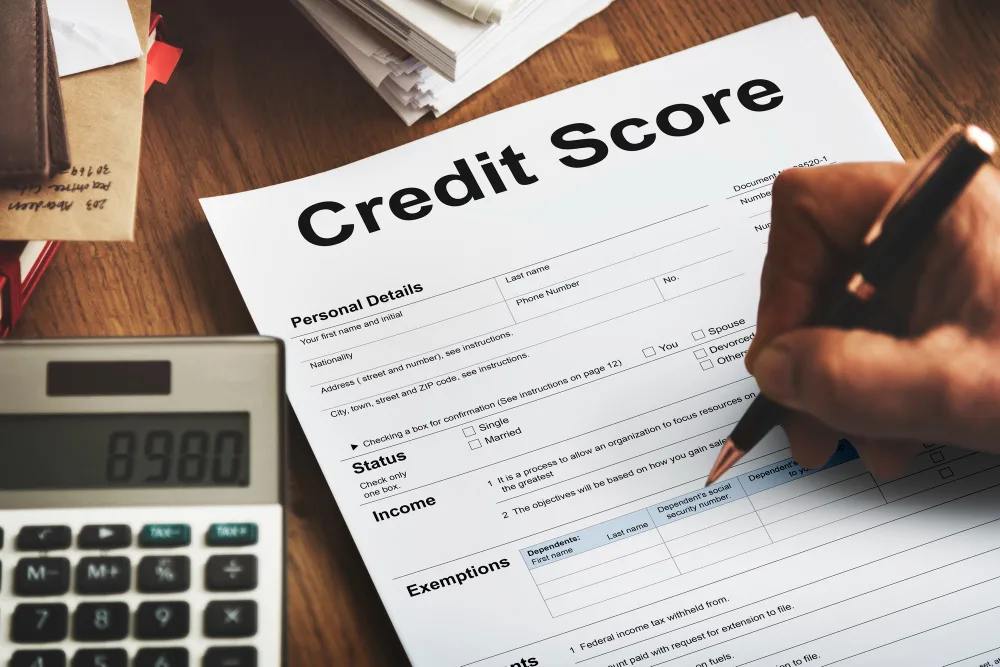
Relocating to Canada from India involves a fairly standard checklist: study or work permit paperwork, housing arrangements, healthcare registration. Credit access is one area that catches many newcomers off guard, and it's worth understanding before it becomes an urgent problem rather than a planning item.
1. Indian credit history doesn't transfer
Regardless of financial standing built over years in India, Canadian lenders have no visibility into that history. Every newcomer starts with an empty credit file, evaluated by Canadian credit bureaus (Equifax Canada and TransUnion Canada) independently of any international record. A decade of responsible financial behavior elsewhere simply doesn't exist as far as the Canadian system is concerned.
2. Credit affects more than borrowing power
In Canada, a credit score influences apartment rental approval, mobile phone plan eligibility, and sometimes car insurance premiums. Landlords in many Canadian cities routinely run credit checks as part of standard rental applications, making an empty credit file a practical obstacle even for financially stable newcomers with strong incomes and clean financial histories abroad.
3. Standard bank credit cards often reject newcomers outright
Mainstream Canadian banks typically require an established credit history for approval, which creates a structural barrier for someone who's only just arrived, regardless of income, job offer strength, or savings. This isn't a judgment on creditworthiness, it's simply a data gap the underwriting model isn't built to handle.
4. Newcomer-specific options solve this directly
A number of providers now let new immigrants apply for Canada Credit Cards using alternative eligibility criteria: immigration status, employment verification, or income, rather than requiring existing Canadian credit history. This removes the catch-22 of needing credit to get credit, and it's specifically designed around the exact situation most newcomers find themselves in during their first few months.
5. Starting early has a compounding effect
Credit history length is itself a scoring factor in Canadian credit models. A newcomer who opens their first credit card within the first month will have a measurably stronger score by year two compared to someone who waits several months to "settle in first" before applying. Consistent, low-utilization usage paired with full monthly repayment is what actually builds the score, but none of that starts until the first account is open. Every month of delay is a month of compounding lost.
The takeaway
Credit access in Canada is one of the few relocation-related tasks that can be addressed almost immediately after arrival, sometimes even before, depending on the provider. Treating it as an early priority, rather than something to figure out after settling in, tends to save both time and friction later, particularly when apartment hunting, setting up a phone plan, or applying for other financial services down the line. It's a small early decision with an outsized effect on how smooth the following year or two actually feels.