
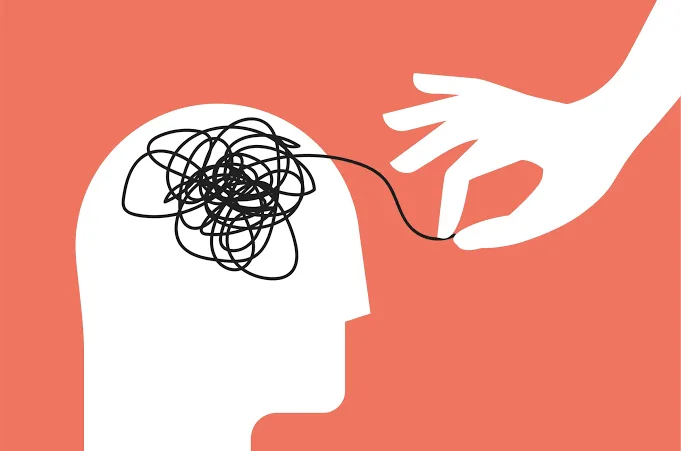
For something so widely discussed, therapy is still surrounded by a surprising number of misconceptions. Many people who could genuinely benefit from it talk themselves out of it based on beliefs that simply aren't accurate. Here are five of the most common ones.
Myth 1: Therapy is only for people in crisis
This is probably the most persistent myth. In reality, some of the most productive therapy happens when things are stable enough to actually reflect. Waiting for a breaking point before seeking help is like waiting for a serious illness before thinking about your diet.
People go to therapy for all kinds of reasons: processing a career transition, improving relationships, building self-awareness, working through low-grade anxiety that hasn't yet become debilitating. You don't need to be at rock bottom to benefit.
Myth 2: Talking about your problems just makes them worse
This concern comes up often. The idea is that digging into difficult feelings stirs things up unnecessarily. But there's a meaningful difference between ruminating alone, which often does make things worse, and processing with a trained professional who can help you understand patterns and move through them.
Therapy isn't about venting indefinitely. It's structured work with a purpose.
Myth 3: Therapy means something is deeply wrong with you
Seeking therapy is increasingly understood for what it actually is: a practical investment in your mental and emotional functioning. Most people in therapy are functioning, working adults navigating the same pressures everyone faces, just with more structured support.
Needing help is not the same as being broken.
Myth 4: You'll be in therapy forever
Some people do engage in long-term therapy, and find it valuable. But many people work with a therapist for a focused period, three months, six months, a year, address what they came for, and move on. The duration depends entirely on what you're working through and what you want to achieve.
A good therapist will periodically check whether the work is still serving you.
Myth 5: You have to be ready to talk about everything
First sessions are not interrogations. A therapist isn't going to push you to disclose things you're not ready to share. The pace is typically set by the client, and building trust is considered part of the work, not a formality before it begins.
What actually holds people back
Beyond these myths, the most common real barriers are cost, not knowing where to start, and uncertainty about whether their struggles are "serious enough." On that last point: if something is affecting your quality of life, your relationships, or your ability to function, it's serious enough.
Mental Health Counselling is more accessible than many people assume, and the first step, simply reaching out, tends to be the hardest one. After that, most people wonder why they waited as long as they did.