
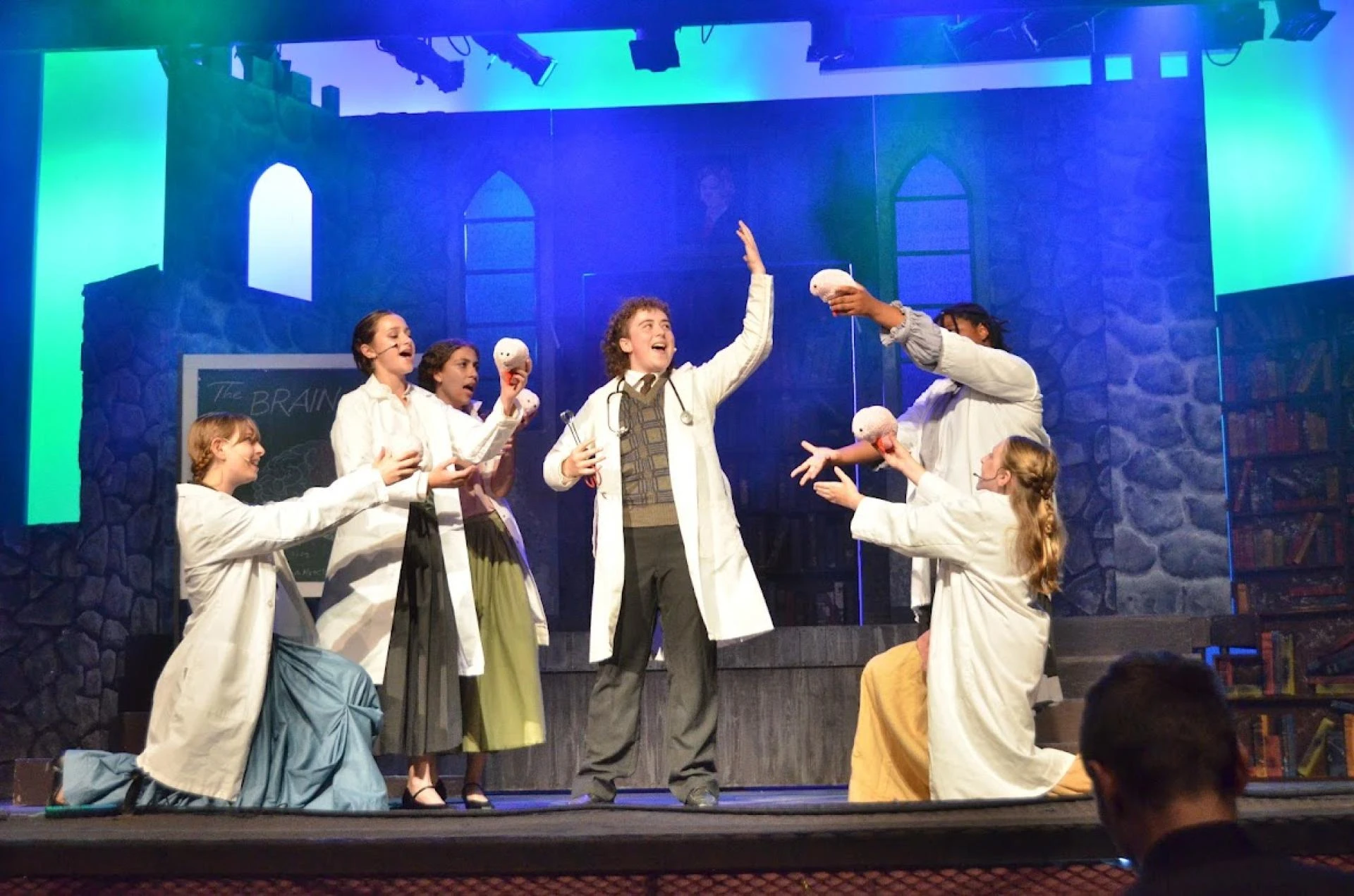
Parents often associate a musical theater camp with vocal training and stage performance, but research shows the benefits extend far beyond music. According to a National Endowment for the Arts report, students involved in performing arts programs demonstrate stronger communication skills, improved academic engagement, and higher confidence levels than peers without arts exposure. Structured theater camps in New York also support social development by placing children in collaborative, goal-driven environments.
A musical theater camp experience teaches children practical life skills that transfer directly into school, relationships, and future careers.
Below are five such skills developed through structured rehearsal schedules, ensemble work, and live performance expectations.
Public Speaking and Confident Communication
Standing on stage in front of an audience builds comfort with speaking clearly and confidently. Campers regularly practice projection, articulation, and body awareness.
Children attending theater summer camps develop:
· Clear verbal expression
· Comfortable eye contact while speaking
· Strong posture and controlled body language
· Confidence addressing groups of peers and adults
· Reduced anxiety during presentations
These skills transfer directly to classroom discussions, debates, and public presentations.
Teamwork and Collaboration
Theater is inherently collaborative. From ensemble scenes to backstage coordination, no production succeeds without shared responsibility.
At theater camp programs, campers learn to:
· Follow group rehearsal schedules
· Listen actively during scene work
· Respect differing viewpoints and creative ideas
· Share responsibility for group outcomes
· Support peers during performances
This mirrors collaboration skills taught at performing arts camps and prepares children for group-based academic and professional settings.
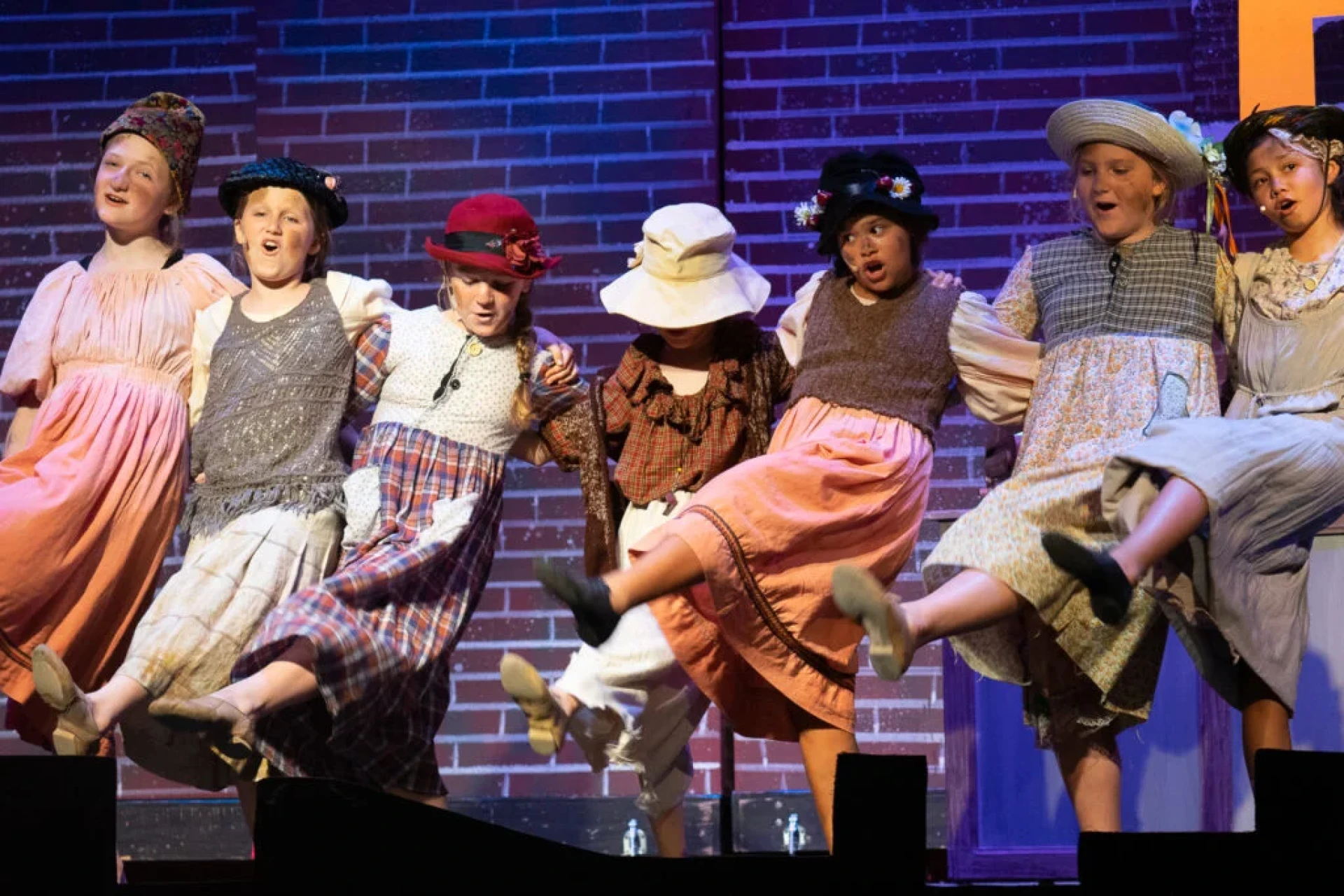
Time Management and Personal Accountability
Musical theater camps operate on structured schedules that require consistent preparation. Campers must manage their time effectively to meet rehearsal expectations.
Through summer theater camps in New York, participants practice:
· Preparing lines and choreography independently
· Managing daily schedules without reminders
· Meeting rehearsal and performance deadlines
· Balancing creative work with rest and organization
· Taking responsibility for personal preparation
These habits support academic consistency during the school year.
Emotional Awareness and Empathy
Understanding a character’s motivation requires emotional awareness and perspective-taking. Theater instruction encourages thoughtful interpretation of feelings and reactions.
At performing arts summer camps, campers develop:
· Emotional recognition through character study
· Awareness of how actions affect others
· Respectful communication during feedback sessions
· Patience in group settings
· Greater sensitivity to social cues
These skills strengthen interpersonal relationships and conflict resolution.
Adaptability and Problem-Solving
Live performances involve unpredictable moments. Campers learn to stay composed and adjust quickly when challenges arise.
Programs such as Long Lake Camp for the Arts help children build:
· Calm responses to missed cues
· Flexible thinking during live performances
· Quick decision-making in real-time situations
· Accountability without panic
· Confidence in handling unexpected changes
These abilities support academic resilience and leadership development.
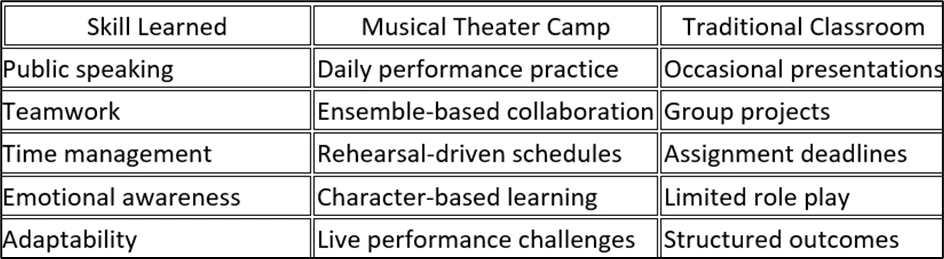
Skill Comparison Table
![]() Why Parents Choose Performing Arts Camps in New York
Why Parents Choose Performing Arts Camps in New York
Families continue to choose theater camps because they combine structured learning with creative development in a supervised environment. Overnight options such as performing arts sleepaway camps also support personal growth while reinforcing responsibility and communication skills.
Parents value these programs because they offer:
· Consistent daily schedules that teach discipline and routine
· Supervised peer interaction that strengthens social skills
· Instructor-led training from experienced arts educators
· Opportunities for children to practice leadership and accountability
· A supportive setting that builds independence away from home
These benefits explain why many families return year after year to established performing arts camps, knowing their children gain skills that extend well beyond the stage.
Building Skills That Last Beyond the Stage
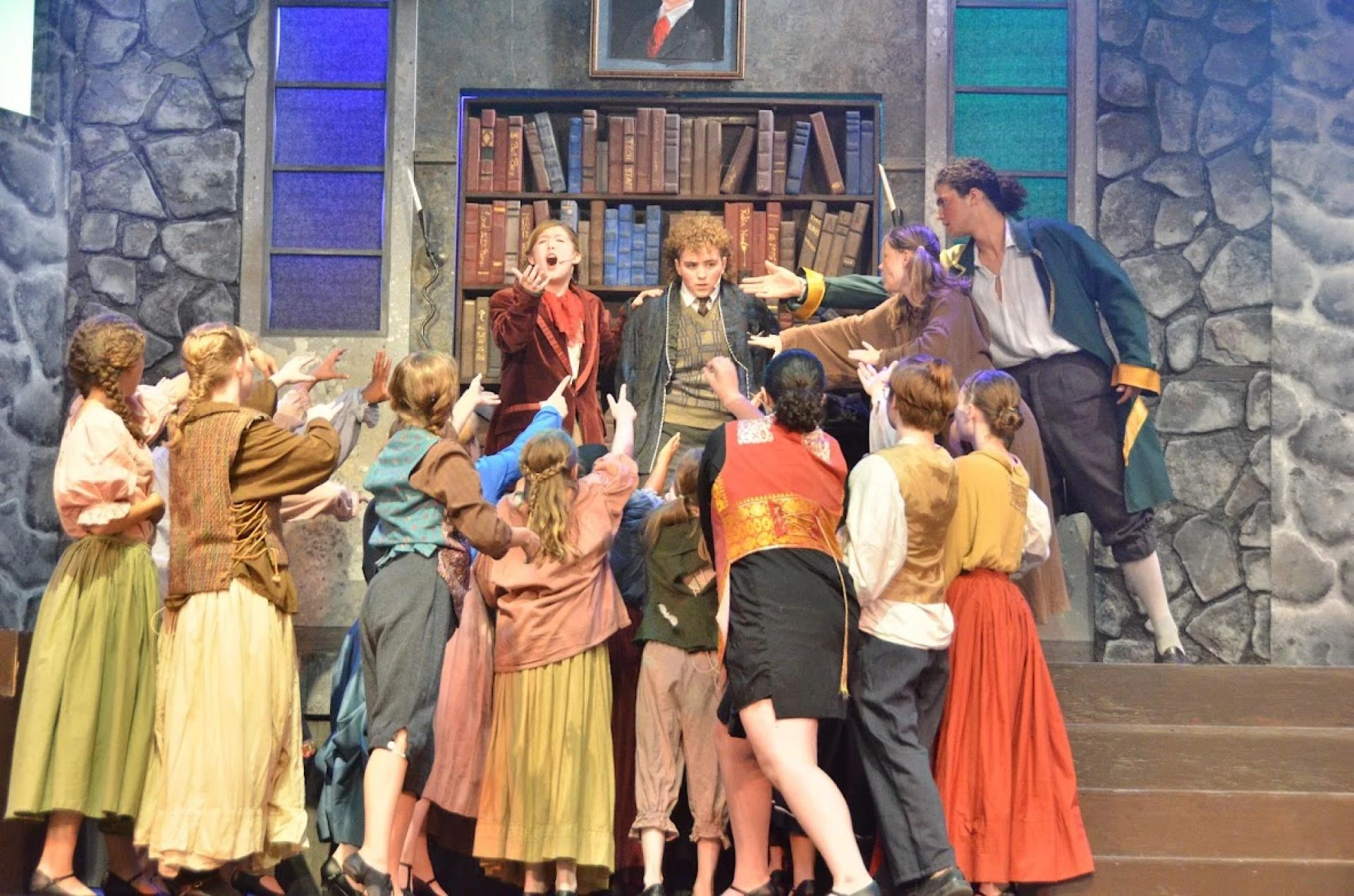
A musical theater camp in New York teaches far more than singing. It builds communication, discipline, teamwork, and emotional understanding that support children academically and socially. These transferable skills remain valuable well beyond summer.
If you are seeking a program that supports personal growth through structured arts education, Long Lake Camp for the Arts offers a supportive environment where children develop confidence, responsibility, and creative discipline. Contact them today to learn more.